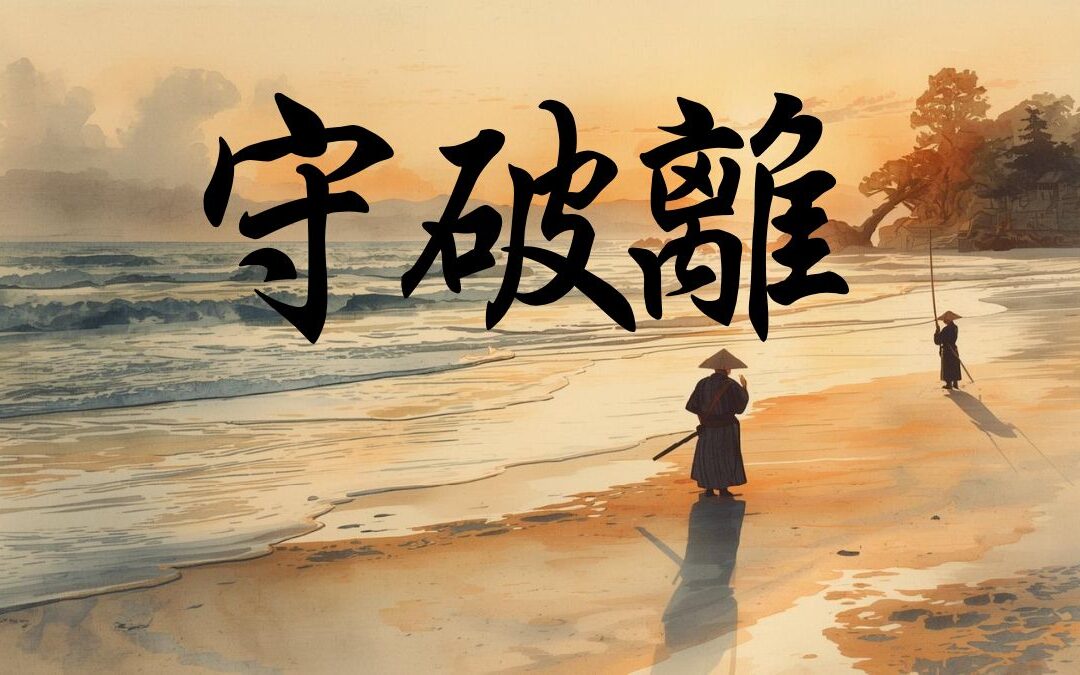
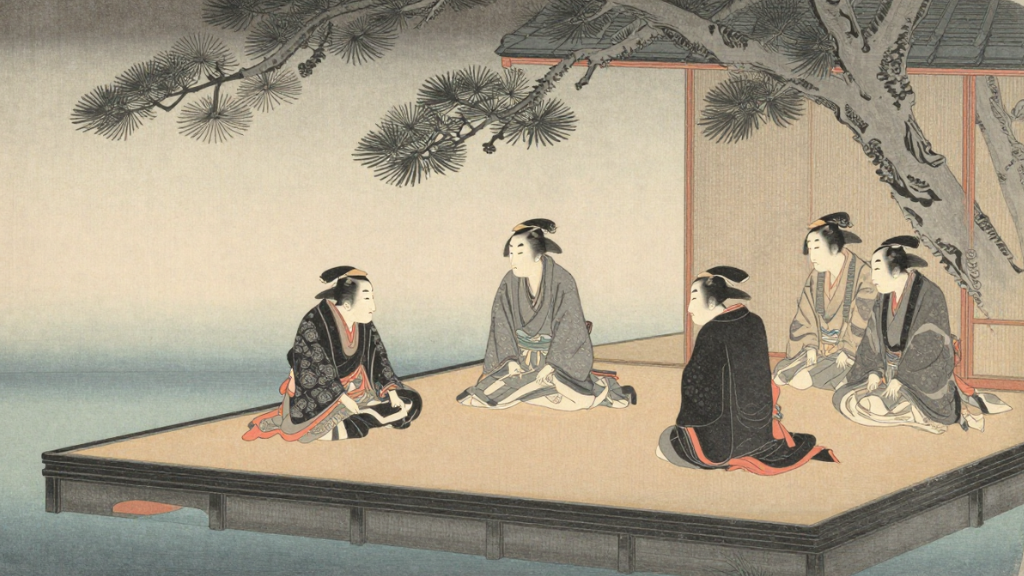
In the world of Japanese martial arts—and particularly within the discipline of Iaidō—mastery is not a destination to be reached, but a lifelong process of refinement. It is an ongoing evolution of body, mind, and spirit. This journey is elegantly expressed through the timeless concept of Shu–Ha–Ri (守破離).
Whether you are just beginning to tie your hakama or you have spent decades polishing your nukitsuke, understanding these three stages of learning is essential to genuine progress. Shu–Ha–Ri offers more than a pedagogical framework; it is a mirror held up to the practitioner’s inner development.
Originally articulated in the teachings of the legendary tea master Sen no Rikyū, and later embraced by generations of swordsmen, Shu–Ha–Ri describes the transformation of a student—from one who faithfully imitates the teacher, to one who ultimately embodies the art itself.
Phase 1 : Shu (守): Protect and Obey
The first stage, Shu, literally means “to protect” or “to preserve.” At this level, the student’s primary responsibility is to safeguard the tradition by receiving it intact.
The Mindset: Absolute obedience—not blind submission, but humble receptivity. Shu is about protecting the purity of the teachings from the intrusion of ego, impatience, and premature interpretation.
In Practice: In a Mugai-ryū dōjō, Shu means copying the sensei precisely. You do not ask, “Could I place my foot slightly differently?” You mirror the angle of the blade, the depth of the stance, the rhythm of the breath, and even the silence between movements.
The Goal: To build an unshakable foundation. Repetition engrains the forms into the body until technique becomes instinctive. You are learning the alphabet of the sword—without which no meaningful expression is possible.
In a nutshell: You cannot transcend the rules until you have fully internalized them.
Phase 2 : Ha (破): Detach and Break
The second stage, Ha, means “to break” or “to detach.” It is often the most misunderstood—and the most perilous—phase of the journey.
The Mindset: Inquiry and discernment. After years of disciplined practice, the student begins to perceive the why behind the how. Curiosity replaces imitation, but respect remains.
In Practice: You start to explore the underlying principles of Battōdō and how they adapt to different bodies, distances, or combative realities. You may study other ryūha, exchange insights with fellow practitioners, or observe how the same truth manifests through different forms.
The Goal: Integration. Ha is not about rejecting the teachings of Shu, but stress-testing them. You “break” the mold to confirm that the essence of the technique remains intact when adapted. The form loosens, but the principles endure.
Shu Ha Ri concept can be found in all martial arts and not only …
Phase 3 : Ri (離): Transcend and Depart
The final stage, Ri, means “to leave” or “to separate.” This is the realm of the master, where art and practitioner are no longer distinct.
The Mindset: Naturalness. Action arises without deliberation. In Zen terms, this is Mushin—no-mind. There is no hesitation, no calculation, no inner commentary.
In Practice: The practitioner no longer performs Mugai-ryū—they are Mugai-ryū. Movement is spontaneous, fluid, and perfectly attuned to the moment. The rigid instructions of the past dissolve into creative freedom grounded in deep understanding.
The Goal: Harmony. The sword becomes an extension of the self, and the self moves in accord with the universe. Rules are no longer followed consciously; they are fulfilled effortlessly.
Shu Ha Ri modern life
This cycle extends far beyond the dōjō. For a business professional, the parallels are clear: You first learn industry standards and best practices (Shu), then innovate and adapt them to your strengths (Ha), and eventually lead with an intuitive clarity that appears almost magical to outsiders (Ri).
In martial arts, Shu–Ha–Ri protects us from stagnation. It teaches the beginner patience, the advanced student discernment, and the master humility. Above all, it reminds us that the path of the samurai is not linear—it is spiral. We return to the basics again and again, each time with deeper understanding, broader perspective, and a quieter ego.
Mastery, in Iaidō as in life, is not about arriving somewhere. It is about becoming.
Living in the Shadow of Fuji: A Personal Reflection on Fujisan Hongū Sengen Taisha
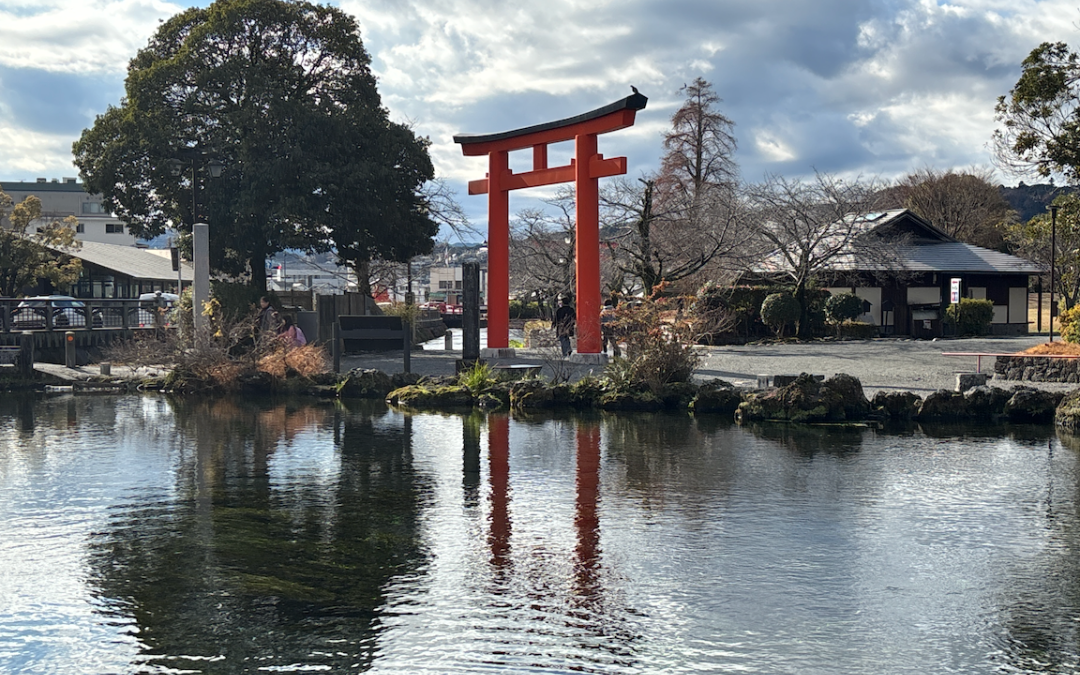
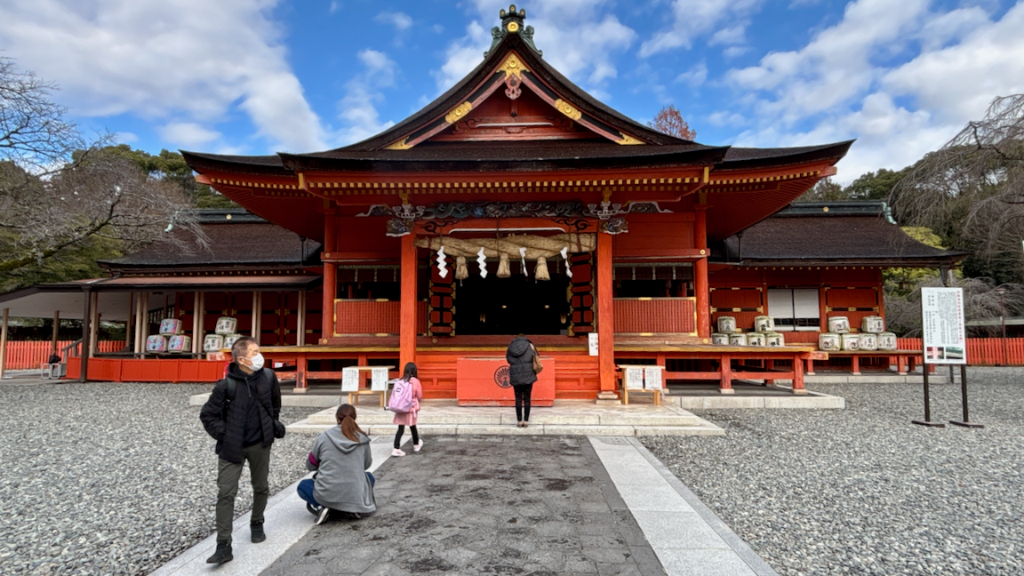
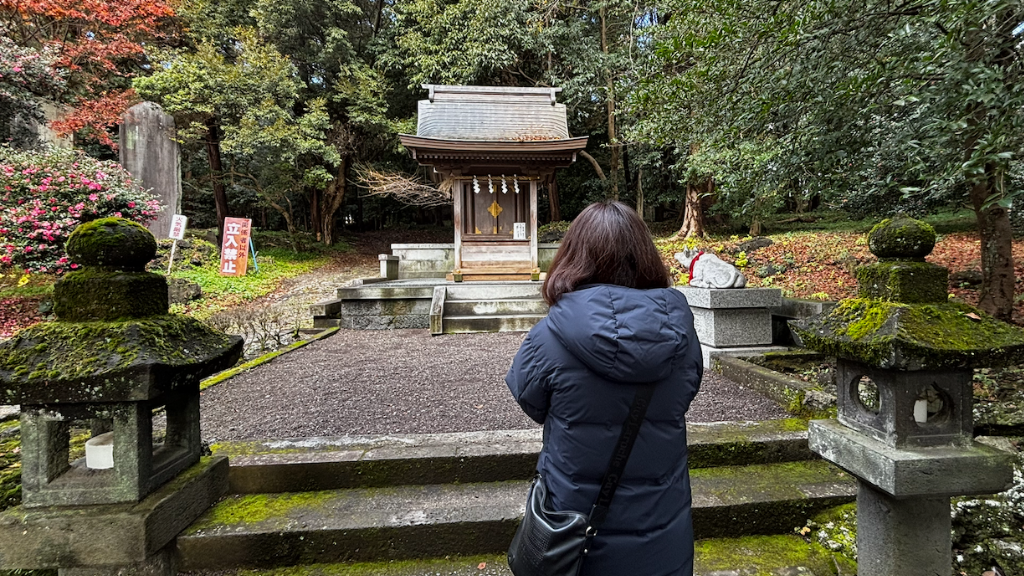
There’s something quietly profound about living near a place that has been sacred for over a thousand years. For my Japanese family, home is not just defined by streets and houses—it is shaped by the ever-present silhouette of Mount Fuji. Close to this holly mountain, you can find the Fujisan Hongū Sengen Taisha (富士山本宮浅間大社), a shrine that has watched over generations beneath the ever-present silhouette of Mount Fuji.
A Shrine That Breathes With the Mountain
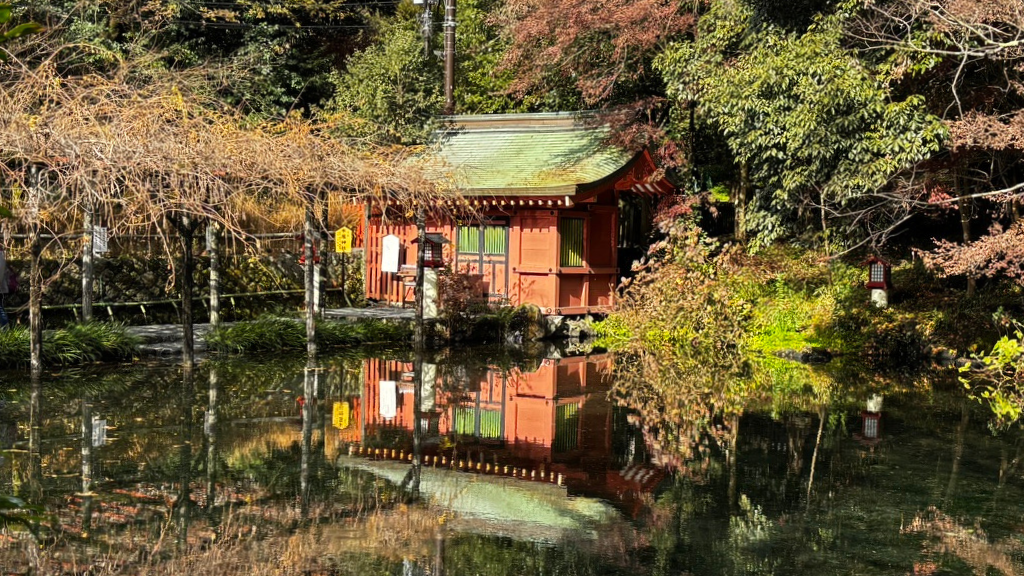
Unlike many historical sites that feel distant from everyday life, Fujisan Hongū Sengen Taisha is deeply woven into the rhythm of the community. Visits to the shrine aren’t reserved for special occasions—they happen naturally. A quiet walk, a New Year prayer, or a moment of reflection by the clear waters of Wakutama Pond all become part of daily life.
Growing up around this environment (or even just visiting often), you begin to understand that Mount Fuji is not simply scenery. It is a presence. In the Shinto worldview, it is alive—home to the kami, especially Konohanasakuya-hime, whose story embodies both beauty and fragility.
From Fear to Reverence
Historically, Mount Fuji was feared for its eruptions. The shrine itself was established as a way to calm and honor the spirit of the mountain by Tokugawa Ieyasu. Today, that history still lingers, but it has transformed into something more balanced: a deep respect rather than fear.
Living nearby, you don’t constantly think about volcanic danger. Instead, you notice the changing light on Fuji’s slopes, the seasonal festivals, and the steady flow of visitors beginning their pilgrimage. The mountain becomes both ordinary and extraordinary at the same time.
The Meaning of Everyday Ritual
One of the most striking things about having such a sacred place close to home is how spirituality becomes subtle. It’s not always grand or ceremonial.
It might be:
Pausing briefly at the shrine gate before heading into town
Washing hands at the purification basin without thinking twice
Watching the still surface of Wakutama Pond reflect the sky
These small actions echo centuries of tradition, connecting the present moment to something much older.
A Personal Connection
For my family, the shrine is not just a cultural landmark—it’s part of our identity. It’s where celebrations begin, where prayers are made, and where we return in moments of uncertainty.
Being close to Fujisan Hongū Sengen Taisha means growing up with an unspoken understanding: nature is not separate from us. It deserves respect, attention, and humility.
And perhaps that’s the most powerful lesson this place offers—not just to visitors or pilgrims, but to those lucky enough to call it part of home.
Closing Thoughts
In a fast-moving world, places like Fujisan Hongū Sengen Taisha remind us to slow down. To look up at the mountain. To listen to the quiet. To recognize that some connections—between people, place, and spirit—are meant to last far longer than a lifetime.
Living near Fuji isn’t just about proximity. It’s about perspective.
You want to know more about The Mounf Fuji, the dedicated episode of my podcast Liomugai The Way of Sword and Budo has been built for that :
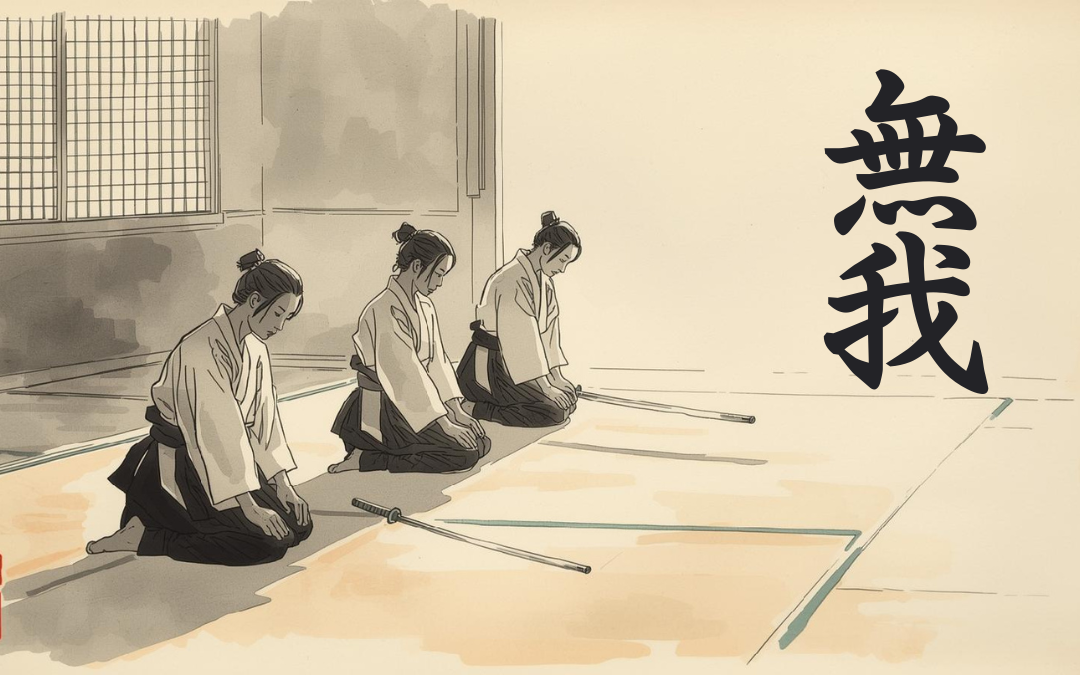
In the practice of Iaido (居合道), Battodo (抜刀道), and Kenjutsu (剣術), we often focus on the physical alignment of the blade or the precision of a cut. But for the practitioner of Mugai-ryū (無外流), the ultimate challenge lies within the mind. At the core of our lineage is the concept of Muga (無我).
The Origin: A Poem of Enlightenment
The name of our school itself is rooted in a profound spiritual realization. The founder, Tsuji Gettan Sukemochi (辻月丹資茂), reached enlightenment after years of deep Zen meditation at the Kyōun-ji (慶運寺) temple.
The name “Mugai” comes from a verse in a poem he received from his master:
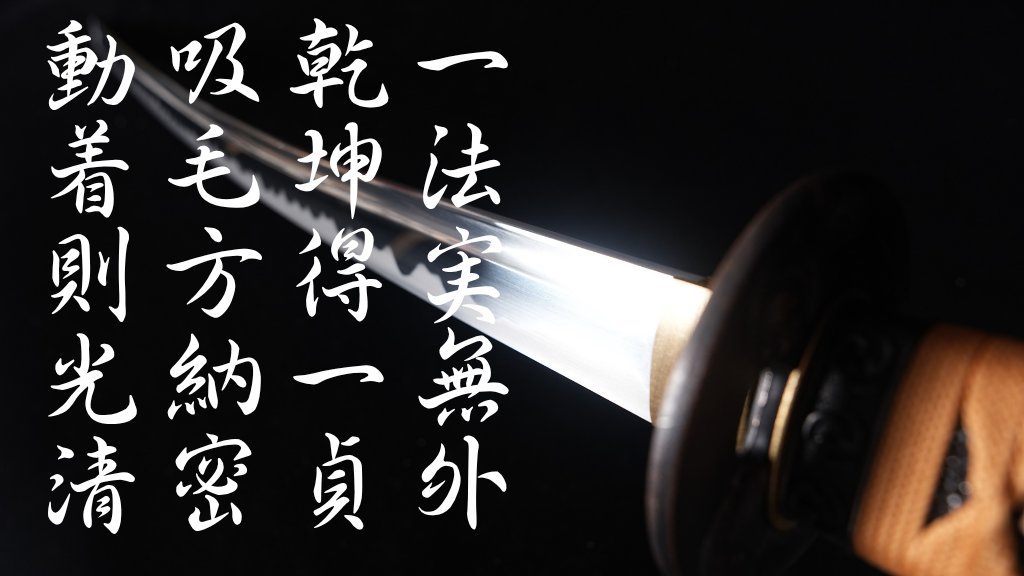
Ippō mugai nashi (一法無外)
Nyoze dō dō dō (如是道同)
This translates to: “There is no law outside the One Truth; It is everywhere the same.” The word Mugai (無外) means “Nothing Outside.” It implies that there is no separation between the self and the universe. From this flows Muga (無我) — the state of Non-Self.
The famous poem that helped found Mugai-ryu
What is Muga (無我)?
In Japanese, Mu (無) means “nothingness” or “void,” and Ga (我) means “self” or “ego.”
In our daily lives, our Ego (我) is always busy. It judges our performance, fears failure, and seeks praise. In Budō (武道), this ego is an obstacle. It creates tension in the shoulders and hesitation in the spirit.Muga is the process of stripping away this “I.” When the ego is absent, there is no “me” trying to cut; there is only the movement happening in perfect synchronicity.
Muga in Battodo (抜刀道): The Pure Cut
In Battodo, when facing a Wara (藁 – straw mat), the ego often whispers: “Don’t miss,” or “Make a perfect angle.” This thought creates a physical “hitch.”
By seeking Muga, we aim for Mushin (無心 – empty mind). In this state, the Tenouchi (手の内 – the grip) and the Maai (間合い – the distance) are not calculated by the brain, but felt by the soul. The sword becomes an extension of your nervous system, and the cut becomes an effortless expression of reality.
Muga in Kenjutsu (剣術): The Absence of the Opponent
While Iaido is often a solitary pursuit, it is in Kenjutsu (the art of the sword in combat) that Muga undergoes its most intense test. When facing an opponent in Kumitachi (組太刀), the ego naturally reacts with fear or aggression.
In a state of Muga, the opponent is no longer viewed as an enemy to be defeated, but as a mirror. You do not “react” to a strike; instead, your body moves in Shizen-tai (自然体 – natural posture) before a conscious thought even arises. This is the expression of Munami (無波 – “no waves”), where the mind remains undisturbed. By losing the “Self” (Ga), you also lose the “Other.” The dualism of winning and losing simply ceases to exist.
My conclusion with the Ken Zen Ichi Nyo (剣禅一如) Concept
My Liomugai journey is a journey toward this “Non-Self.” Each Kata (型) is an opportunity to shed a layer of vanity. We do not polish the steel to see our reflection; we polish it to understand the void behind the reflection.
As the old saying goes: Ken Zen Ichi Nyo (剣禅一如) — The Sword and Zen are one. Through the discipline of the blade, we find the silence within.
Most travelers visit Hiroshima to witness the scars of history—an essential pilgrimage for anyone visiting Japan. Walking through the city is an experience beyond “emotional”; it is difficult to pin down a single feeling when the mood shifts like a tide. Yet, as a practitioner of Budo, I found that a single day here offers something deeper: a profound lesson in Resilience (see my post on Fudōshin) and the evolution from the “Sword that Kills” to the “Sword that Gives Life.” If you have 24 hours in this rebuilt metropolis, here is how to navigate its complex emotional and historical layers.
If you have 24 hours in this rebuilt metropolis, here is how to navigate the emotional and historical layers of Hiroshima.
1. The Genbaku Dome: A Frozen Moment in Time
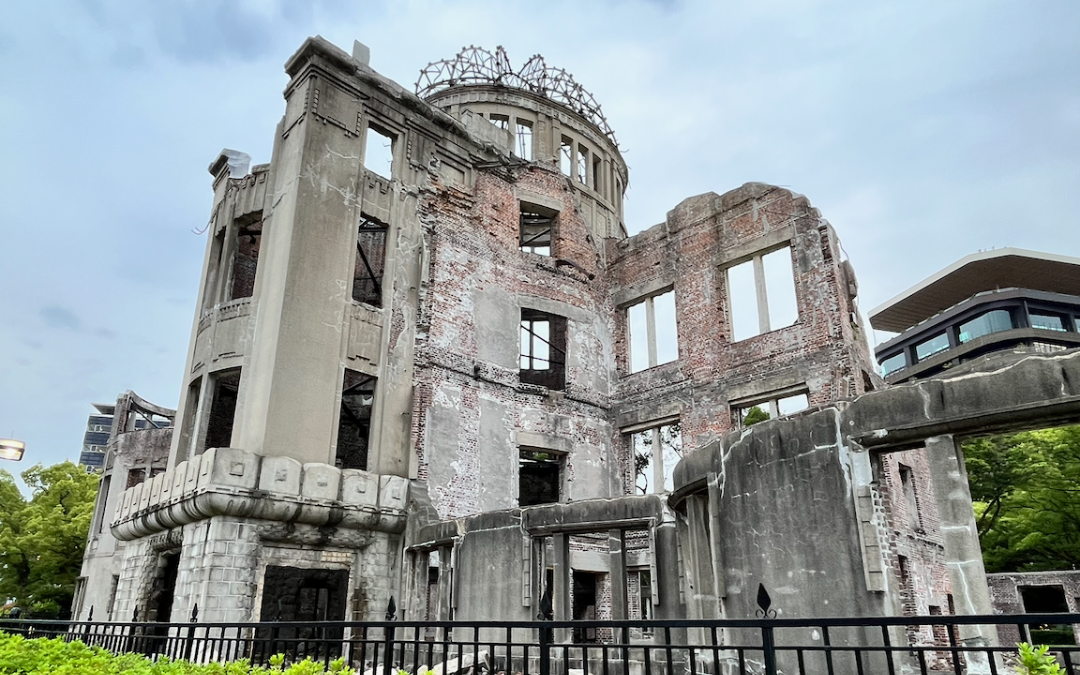
I started my journey at the A-Bomb Dome. It is a heavy, visceral sight. This structure—the former Prefectural Industrial Promotion Hall—was nearly at the epicenter of the 1945 explosion. Though the rest of Hiroshima was flattened, these columns refused to fall. Eighty years later, the Dome remains frozen in time: a stark reminder of total destruction and an icon of human resilience.
My Tip: Arrive early (before 8:30 AM). The morning light hitting the exposed red bricks against the quiet flow of the Motoyasu River creates a space for silent contemplation before the crowds arrive.
2. The Peace Memorial Park: The Heart of Remembrance
Crossing the bridge from the Dome, you enter the Peace Memorial Park. This isn’t just a park; it’s a sacred space designed by the legendary architect Kenzo Tange.
The Cenotaph and the Flame of Peace
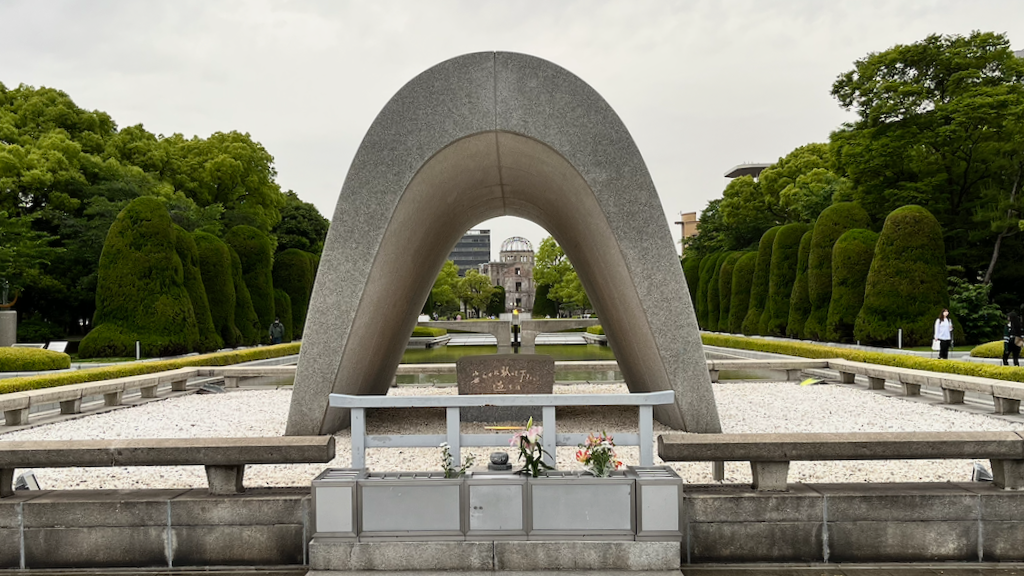
I spent a long time at the Cenotaph for the A-Bomb Victims. Its saddle-like shape is designed to shield the souls of the deceased. If you stand at the center, you can look through the arch to see the Flame of Peace.
The Vow: This flame will burn until every nuclear weapon on earth has been dismantled.
As a martial artist, this site resonates with the concept of Katsujinken (活人剣)—the “Life-Giving Sword.” It reminds us that the ultimate goal of mastery is not conflict, but the preservation of peace.
3. Lunch: Hiroshima-style Okonomiyaki
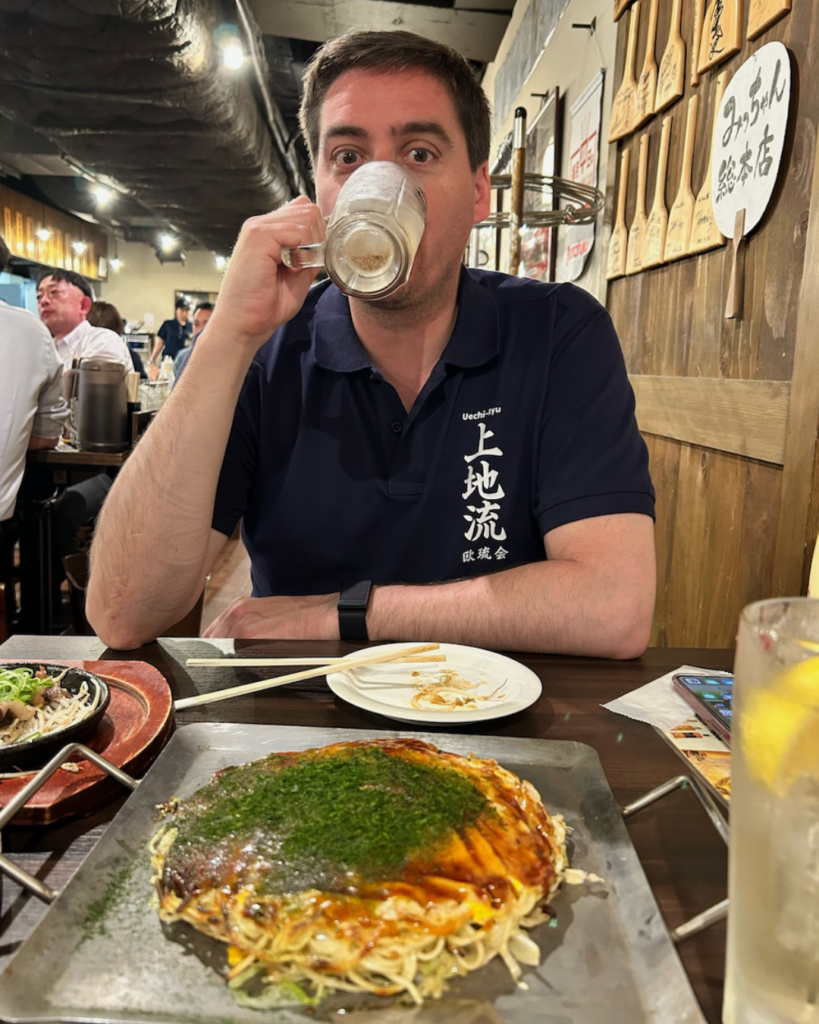
You cannot visit Hiroshima without trying their soul food. Unlike the Osaka version, Hiroshima Okonomiyaki is layered, featuring noodles (soba or udon) and a generous portion of cabbage.
My Tip: Head to Okonomimura (Okonomi Village), a building with three floors of small stalls. It’s the perfect “Ha” (break) in your day to refuel.
4. Hiroshima Castle: The Return of the Carp
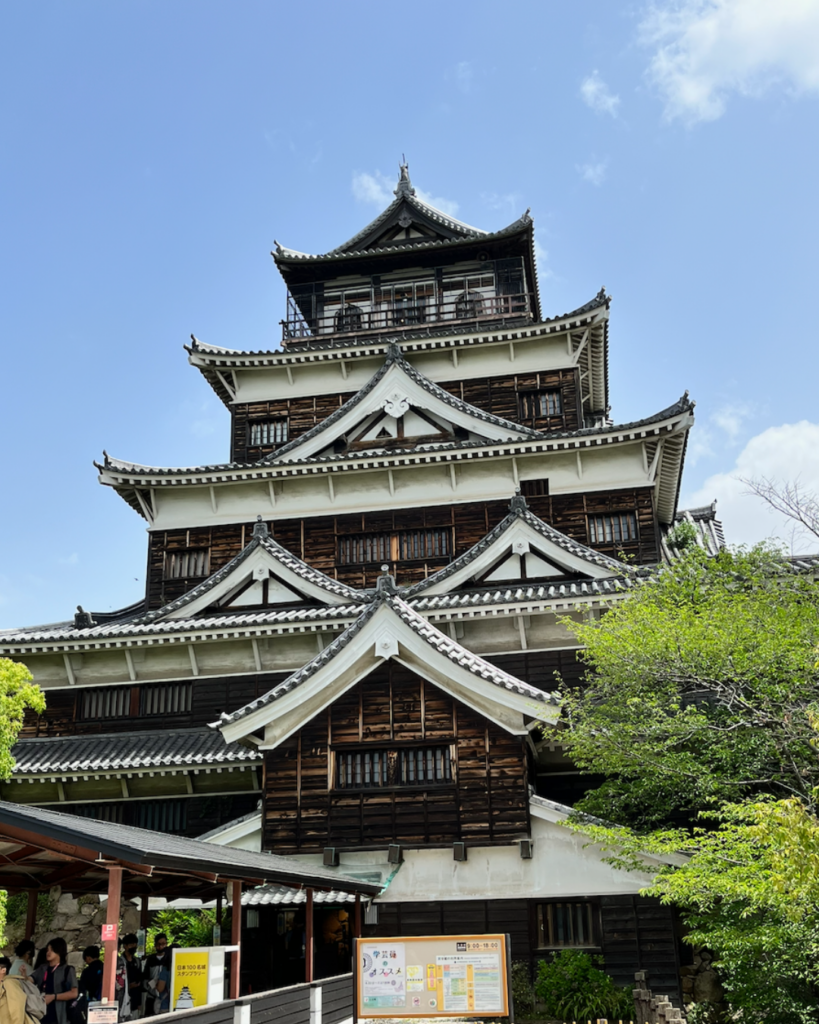
After the emotional weight of the morning, I walked 15 minutes north to Hiroshima Castle (Rijō or “Carp Castle”).
Originally built in 1589, the castle was a total loss in 1945. However, its 1958 reconstruction is a stunning tribute to the city’s samurai origins.
What to Look For:
The Survival Trees (A-Bombed Trees): Inside the castle walls, look for the Eucalyptus and Willow trees. Despite being charred by the heat of the blast, they survived and continue to grow today. They are living symbols of the samurai spirit—unyielding and rooted.
The Museum: The interior of the keep houses an excellent collection of Edo-period armor and katanas. For an Iaidoka, seeing the local craftsmanship and the history of the Asano clan is a must.
The View: Climb to the 5th floor for a panoramic view of the city. Seeing the modern skyline from a traditional fortress gives you a true sense of Japan’s ability to honor the past while embracing the future.
Practical Information for Your Visit
Location
Suggested Time
Entry Fee
Genbaku Dome
30 mins
Free
Peace Museum
2 hours
200 JPY
Hiroshima Castle
1.5 hours
370 JPY
How to get around: Use the Hiroden (the iconic streetcars). They are a living piece of history—some of the trams running today actually survived the 1945 bombing and were back on the tracks just three days later.
My day in Hiroshima followed the rhythm of Jo-Ha-Kyū:
Jo (Begin): The somber, slow realization at the Dome.
Ha (Break): The movement through the park and the vibrant energy of the city streets.
Kyū (Fast/End): The ascent to the top of the Castle, looking out over a city that refused to die.
If you are intreseted in the Budo Jo Ha Kyū concept, please have a look on my dedicated post.
Hiroshima is more than a tragic history; it is a vibrant, green, and welcoming city that embodies the very essence of Budo: the strength to remain calm and kind, no matter what storms have passed.
If you want to know more do not hesitate to listen Liomugai’s podcast :
If you have ever watched a Mugai-ryū master perform a kata, or if you have attended a tea ceremony (Chanoyu), you have likely sensed an invisible progression. It isn’t a constant speed, but rather a wave that builds, breaks, and stops dead.
This ternary rhythm is Jo-Ha-Kyū (序破急).
Far more than a simple technical instruction, it is an aesthetic and spiritual law that governs almost all traditional Japanese arts. Let’s dive into this essential concept to understand the dynamics of the sword and Japanese culture.
What is Jo-Ha-Kyū?
The term is composed of three kanji that define the phases of a movement or an event:
Jo (序) – The Introduction: Begin slowly, with restraint. This is the moment of concentration, setting the posture, and grounding the breath.
Ha (破) – The Rupture: The movement develops and accelerates. One “breaks” the initial calm. This is where the action takes shape and unfolds.
Kyū (急) – The Culmination: A sudden, lightning-fast acceleration—the peak of the movement that ends sharply and decisively.
Did you know? This concept was theorized by Zeami Motokiyo, the founder of Noh theater, in the 14th century. He believed that everything in the universe—from a bird’s song to an entire play—followed this natural rhythm.
Jo-Ha-Kyū in Mugai-ryū Iaihyōdō
In Iaido, and particularly in the minimalist style of Mugai-ryū, Jo-Ha-Kyū is what distinguishes a mechanical execution from a demonstration of life (Sei).
The Art of Nukitsuke (Drawing the Sword)
Watch a Nukitsuke closely:
Jo: The hand grasps the Tsuka, the thumb releases the Tsuba (Koiguchi no kirikata). It is an internal movement, almost invisible.
Ha: The sword exits the scabbard (Saza-muchi), speed increasing as the blade glides.
Kyū: The tip clears the scabbard and strikes in a flash. The stop is instantaneous, charged with energy (Zanshin).
If you maintain the same speed from start to finish, your movement becomes predictable. Jo-Ha-Kyū allows you to surprise your opponent by shattering their own rhythm.
A Universal Aesthetic: From Noh Theater to the Tea Ceremony
The genius of this concept is that it applies to fields that seem polar opposites to combat.
In Noh Theater
A Noh play begins with slow, solemn gestures. Gradually, the movements become more complex, the music intensifies, finally ending in a fast, percussive dance before the final silence. Without this rhythm, the audience would lose focus; with it, they are transported into a trance.
In the Way of Tea (Sado)
Even when serving a bowl of matcha, the master follows this curve:
Jo: The slow and meticulous cleaning of the utensils.
Ha: The preparation of the tea, with more fluid and dynamic movements.
Kyū: The final gesture of presenting the bowl, precise and without hesitation.
Why is it important for your practice?
Mastering Jo-Ha-Kyū means learning to manage your energy.
In our modern lives, we are often in permanent “Kyū” mode (urgency, speed). Practicing Iaido forces us to rediscover “Jo” (preparation, conscious slowness).
Dojo Tips:
Don’t rush: A start that is too fast often ruins the end of the movement.
Breathe: Use the inhale for Jo, the breath-hold or controlled exhale for Ha, and the explosive exhale for Kyū.
Observe nature: Think of a water droplet gathering on a leaf (Jo), beginning to slide (Ha), and falling abruptly (Kyū).
Jo-Ha-Kyū is the heartbeat of Budo. By seeking this rhythm in your katas, you are no longer just working your muscles, but your presence in the world. The sword then becomes an extension of this universal pulse.