I know how busy life can get. Between work, family, and training, it isn’t always easy to sit down and read long-form articles—even if you want to stay up to date with the latest insights.
To make my website posts more accessible when you are short on time, I have officially launched a brand-new audio companion: Liomugai: The Way of the Sword.
This is a brand-new venture for me, so consider this our first official start! The audio and production quality will naturally get better with time. Thank you for your patience and for joining me on this learning curve.
We are hitting the ground running with 5 episodes already available for you to listen to:
Episode 1: Introduction to Liomugai’s podcast
Episode 2: The Sacred and the Sharp: Whispers of Mount Fuji
Episode 3: The Mugai-ryū and the Way of Zen
Episode 4: The Soul of Hiroshima and Miyajima
Episode 5: Muga : The Zen Heart of Mugai-ryū
And then a new episode will be available every Tuesday morning
Why listen?
Time-Friendly: Perfect for your daily commute, a walk, or while you’re prepping your gear.
Audio Companion: You won’t miss a single website post.
Deep Dives on the Go: Explore the philosophy, history, and mindset of the sword wherever you are.
Whether you prefer reading at your desk or listening through your headphones, you can now engage with the content in whatever way fits your schedule best.
If you enjoy the show, please consider hitting Subscribe and leaving a review on Apple Podcasts—it helps other martial arts and sword enthusiasts find us!
Thank you all for your support as we start this new chapter.
In a recent post, I shared my experience in Hiroshima, along with a suggested one-day itinerary for travelers short on time. A city that embodies resilience and rebirth, Hiroshima still bears the marks of humanity’s darkest capabilities—yet stands today as a powerful symbol of peace.
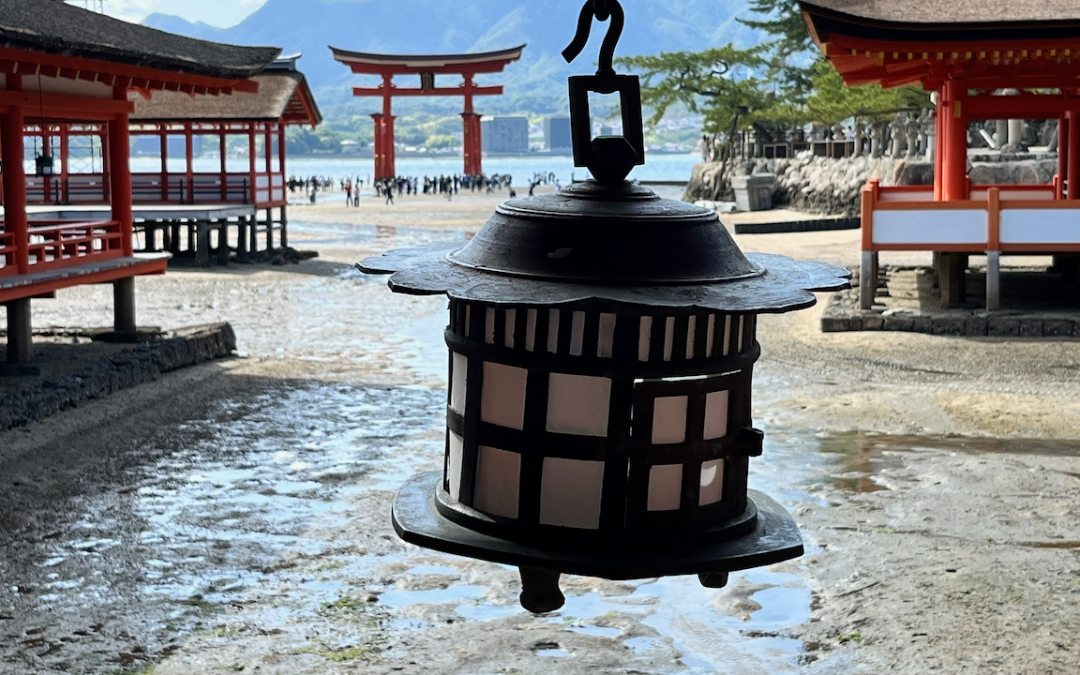
Just a short journey away, crossing the bay by ferry, lies one of Japan’s most enchanting places: the sacred island of Itsukushima, better known as Miyajima, which literally means “Shrine Island.”
A Floating Sanctuary
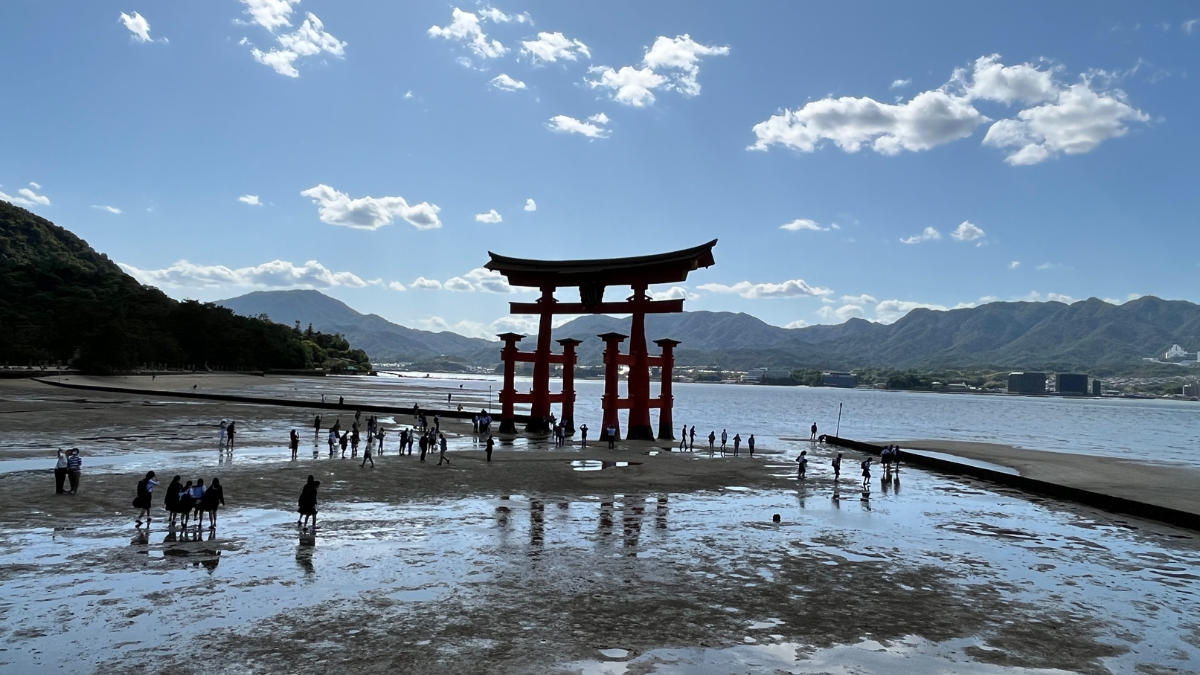
Known worldwide for its immense torii gate rising from the sea, this Shinto shrine was originally built in the 6th century and took its current form under the influence of Taira no Kiyomori (1118–1181).
For centuries, the island was considered so sacred that births and deaths were forbidden, in order to preserve its spiritual purity.
⛩️ The Great Torii of Itsukushima
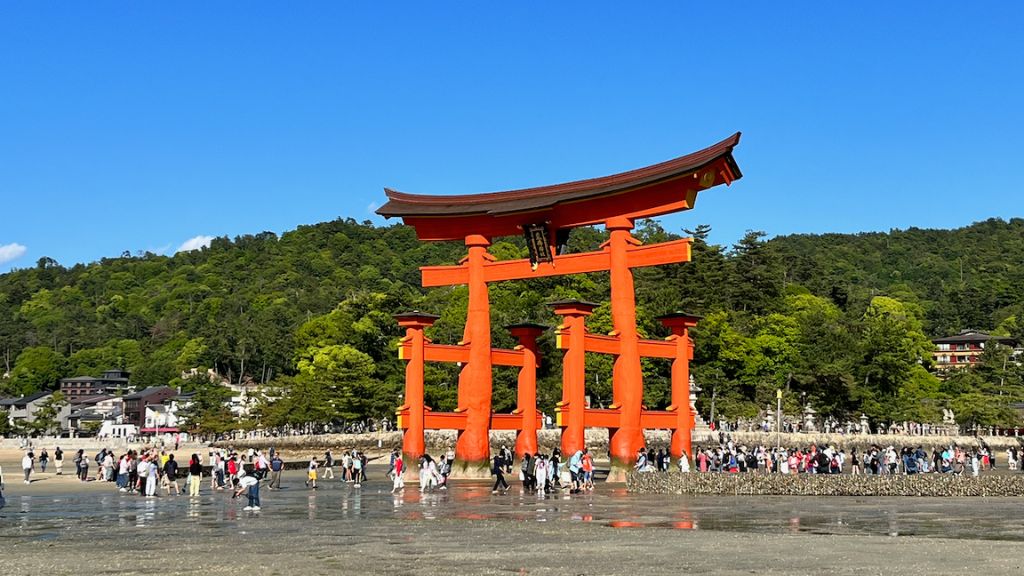
The island’s undisputed icon, the Great Torii offers two completely different experiences depending on the tide:
High tide: The gate appears to float on water—mystical and almost surreal.
Low tide: You can walk right up to its base and admire its monumental scale (and even spot tiny shells clinging to its pillars).
If you have the time, stay for sunset. The sky fills with shades of orange and pink, blending with the shimmering sea and the vermilion reflection of the torii—a truly unforgettable sight.
Equally magical is watching the tide slowly rise while standing on the shrine’s wooden walkways, with the gentle sensation of floating above the water.
The Gods’ Messengers… on Four Legs
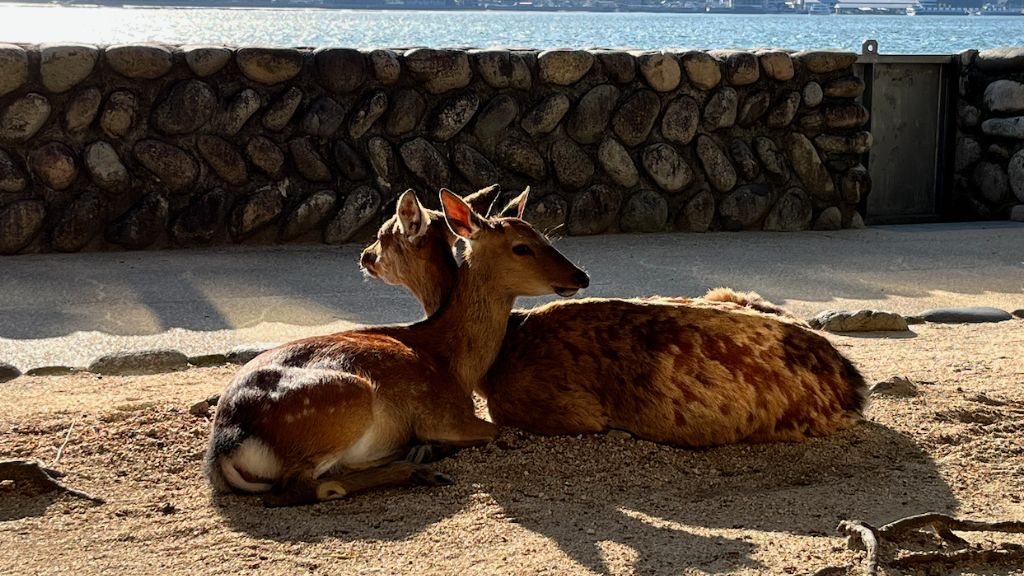
In Shinto belief, deer are sacred animals believed to act as messengers between humans and the gods.
They may look adorable—but don’t be fooled by their innocent eyes! After generations of interacting with visitors, they’ve learned that they rule the island… and won’t hesitate to check your pockets for snacks.
Itsukushima Shrine: A Masterpiece of Architecture
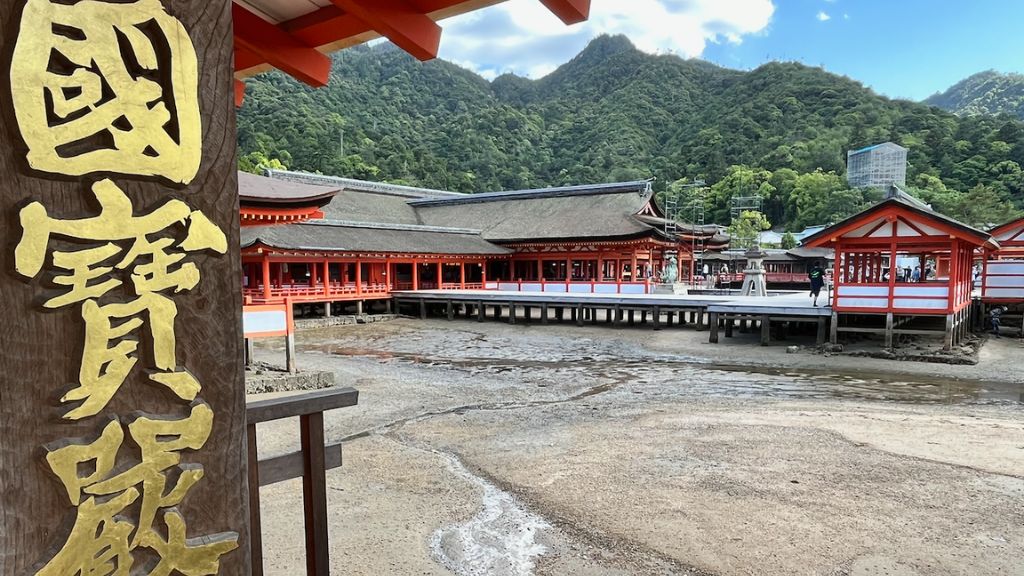
Listed as a UNESCO World Heritage Site, this Shinto shrine is dedicated to the three daughters of Susanoo-no-Mikoto, the god of storms.
Why is it built on water? To respect the sacred nature of the island, the shrine was constructed on stilts within the tidal zone—allowing worshippers to “float” above the divine ground without setting foot on it.
The floating torii: Rather than being anchored deep into the seabed, it stands purely under its own weight (around 60 tons), a true feat of traditional engineering.
Mount Misen: The Spiritual Heights
While the lower part of the island is deeply rooted in Shinto, the upper slopes tell a different story—one of Buddhism.
In 806, the monk Kukai (also known as Kobo Daishi), founder of the Shingon school, established a spiritual training center here. Near the summit of Mount Misen burns an eternal flame, said to have been alive for over 1,200 years and this flame was used to ignite the Flame of Peace in Hiroshima’s Peace Memorial Park.
If you want to know more, do not hesitate to listen the dedicated episode on Liomugai’s podcast :
Living in the Shadow of Fuji: A Personal Reflection on Fujisan Hongū Sengen Taisha
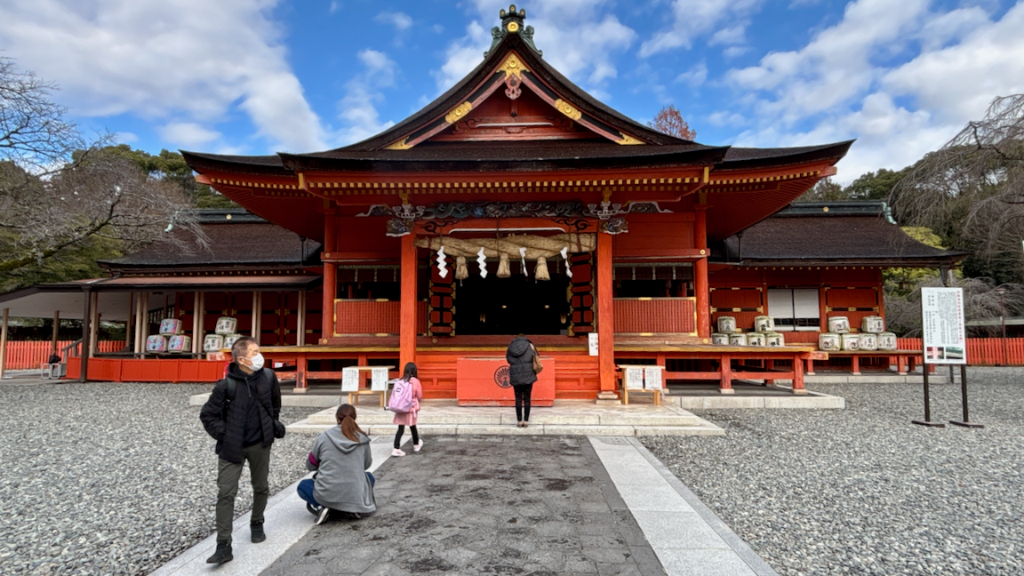
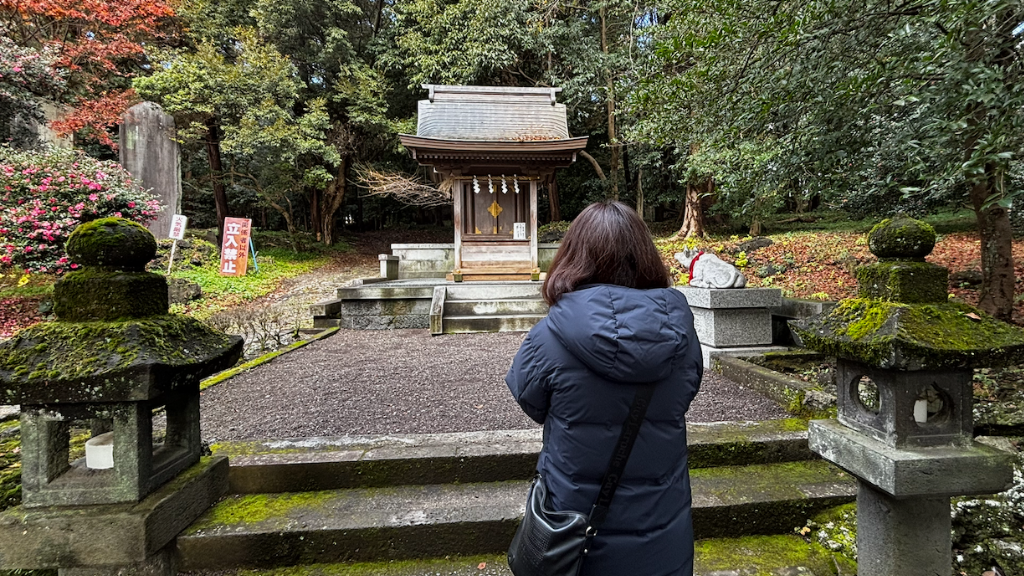
There’s something quietly profound about living near a place that has been sacred for over a thousand years. For my Japanese family, home is not just defined by streets and houses—it is shaped by the ever-present silhouette of Mount Fuji. Close to this holly mountain, you can find the Fujisan Hongū Sengen Taisha (富士山本宮浅間大社), a shrine that has watched over generations beneath the ever-present silhouette of Mount Fuji.
A Shrine That Breathes With the Mountain
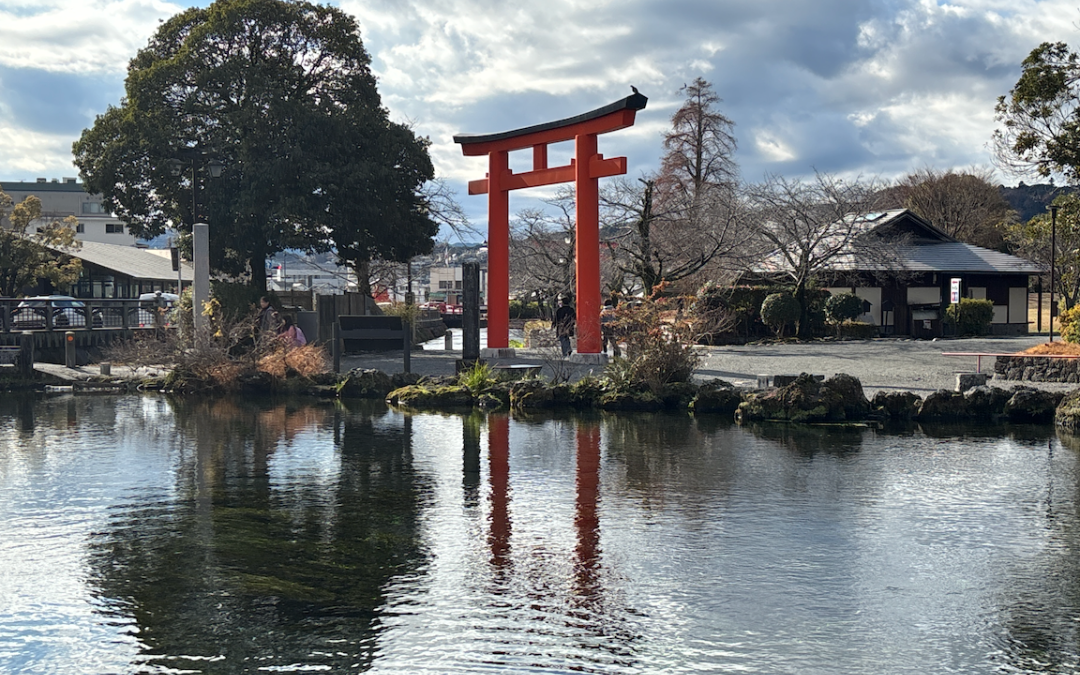
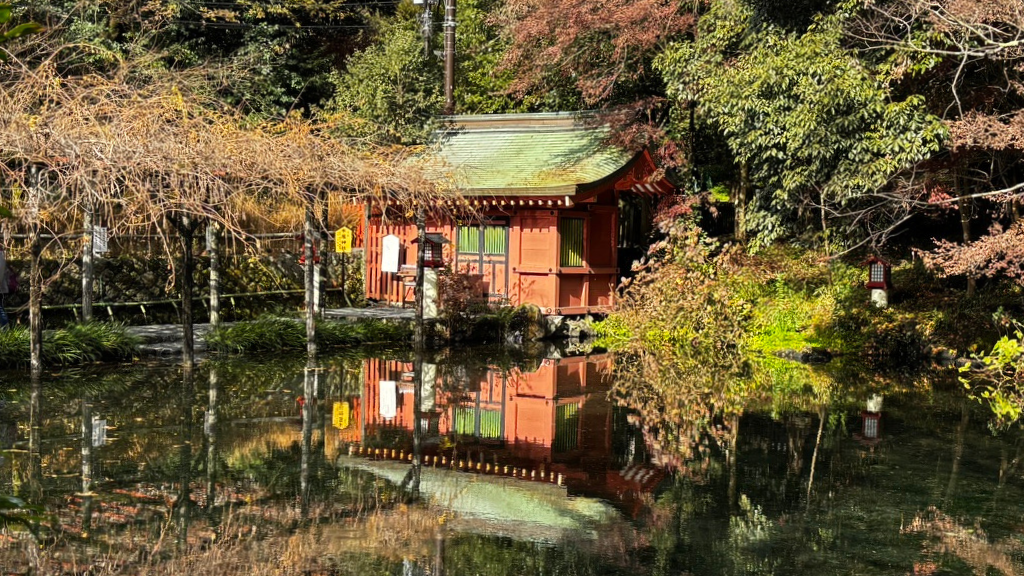
Unlike many historical sites that feel distant from everyday life, Fujisan Hongū Sengen Taisha is deeply woven into the rhythm of the community. Visits to the shrine aren’t reserved for special occasions—they happen naturally. A quiet walk, a New Year prayer, or a moment of reflection by the clear waters of Wakutama Pond all become part of daily life.
Growing up around this environment (or even just visiting often), you begin to understand that Mount Fuji is not simply scenery. It is a presence. In the Shinto worldview, it is alive—home to the kami, especially Konohanasakuya-hime, whose story embodies both beauty and fragility.
From Fear to Reverence
Historically, Mount Fuji was feared for its eruptions. The shrine itself was established as a way to calm and honor the spirit of the mountain by Tokugawa Ieyasu. Today, that history still lingers, but it has transformed into something more balanced: a deep respect rather than fear.
Living nearby, you don’t constantly think about volcanic danger. Instead, you notice the changing light on Fuji’s slopes, the seasonal festivals, and the steady flow of visitors beginning their pilgrimage. The mountain becomes both ordinary and extraordinary at the same time.
The Meaning of Everyday Ritual
One of the most striking things about having such a sacred place close to home is how spirituality becomes subtle. It’s not always grand or ceremonial.
It might be:
Pausing briefly at the shrine gate before heading into town
Washing hands at the purification basin without thinking twice
Watching the still surface of Wakutama Pond reflect the sky
These small actions echo centuries of tradition, connecting the present moment to something much older.
A Personal Connection
For my family, the shrine is not just a cultural landmark—it’s part of our identity. It’s where celebrations begin, where prayers are made, and where we return in moments of uncertainty.
Being close to Fujisan Hongū Sengen Taisha means growing up with an unspoken understanding: nature is not separate from us. It deserves respect, attention, and humility.
And perhaps that’s the most powerful lesson this place offers—not just to visitors or pilgrims, but to those lucky enough to call it part of home.
Closing Thoughts
In a fast-moving world, places like Fujisan Hongū Sengen Taisha remind us to slow down. To look up at the mountain. To listen to the quiet. To recognize that some connections—between people, place, and spirit—are meant to last far longer than a lifetime.
Living near Fuji isn’t just about proximity. It’s about perspective.
You want to know more about The Mounf Fuji, the dedicated episode of my podcast Liomugai The Way of Sword and Budo has been built for that :
Most travelers visit Hiroshima to witness the scars of history—an essential pilgrimage for anyone visiting Japan. Walking through the city is an experience beyond “emotional”; it is difficult to pin down a single feeling when the mood shifts like a tide. Yet, as a practitioner of Budo, I found that a single day here offers something deeper: a profound lesson in Resilience (see my post on Fudōshin) and the evolution from the “Sword that Kills” to the “Sword that Gives Life.” If you have 24 hours in this rebuilt metropolis, here is how to navigate its complex emotional and historical layers.
If you have 24 hours in this rebuilt metropolis, here is how to navigate the emotional and historical layers of Hiroshima.
1. The Genbaku Dome: A Frozen Moment in Time
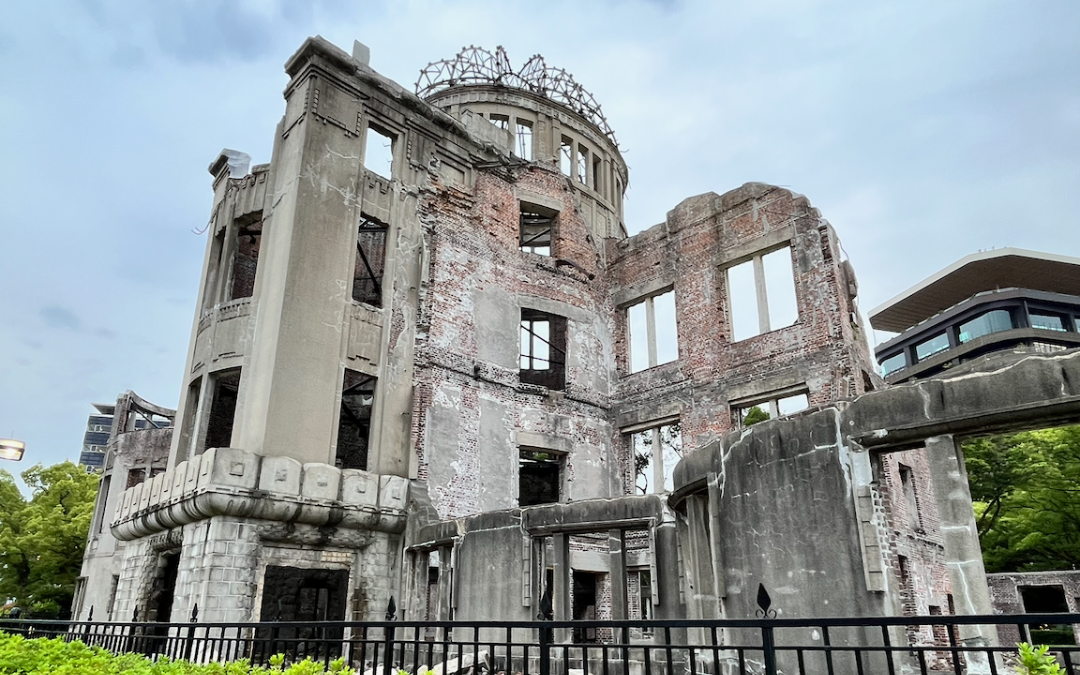
I started my journey at the A-Bomb Dome. It is a heavy, visceral sight. This structure—the former Prefectural Industrial Promotion Hall—was nearly at the epicenter of the 1945 explosion. Though the rest of Hiroshima was flattened, these columns refused to fall. Eighty years later, the Dome remains frozen in time: a stark reminder of total destruction and an icon of human resilience.
My Tip: Arrive early (before 8:30 AM). The morning light hitting the exposed red bricks against the quiet flow of the Motoyasu River creates a space for silent contemplation before the crowds arrive.
2. The Peace Memorial Park: The Heart of Remembrance
Crossing the bridge from the Dome, you enter the Peace Memorial Park. This isn’t just a park; it’s a sacred space designed by the legendary architect Kenzo Tange.
The Cenotaph and the Flame of Peace
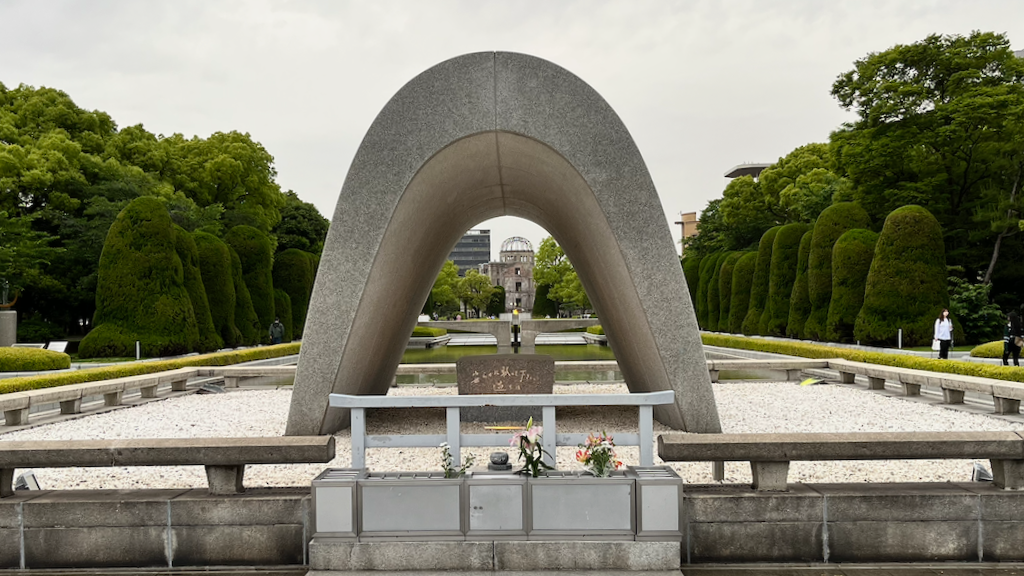
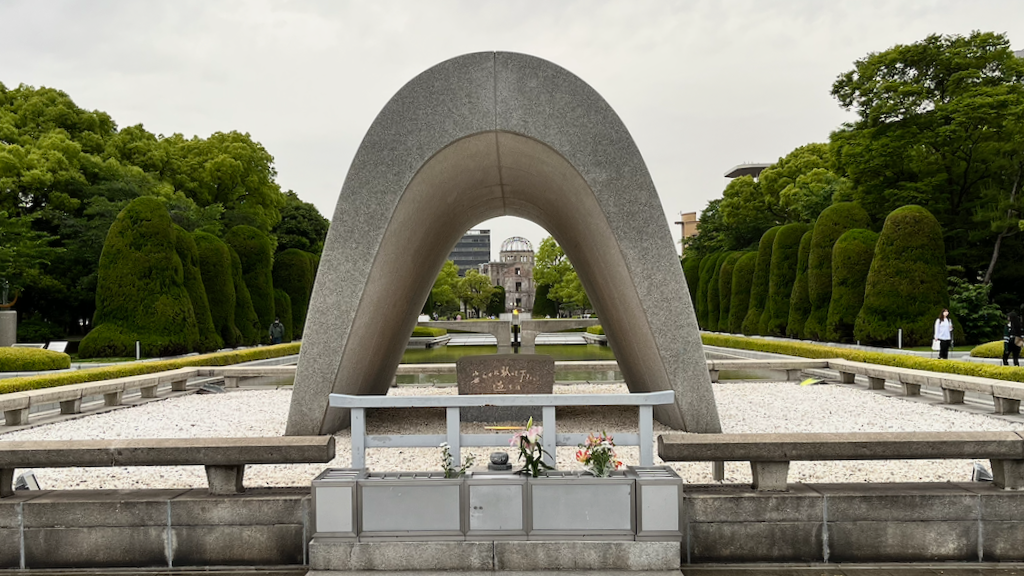
I spent a long time at the Cenotaph for the A-Bomb Victims. Its saddle-like shape is designed to shield the souls of the deceased. If you stand at the center, you can look through the arch to see the Flame of Peace.
The Vow: This flame will burn until every nuclear weapon on earth has been dismantled.
As a martial artist, this site resonates with the concept of Katsujinken (活人剣)—the “Life-Giving Sword.” It reminds us that the ultimate goal of mastery is not conflict, but the preservation of peace.
3. Lunch: Hiroshima-style Okonomiyaki
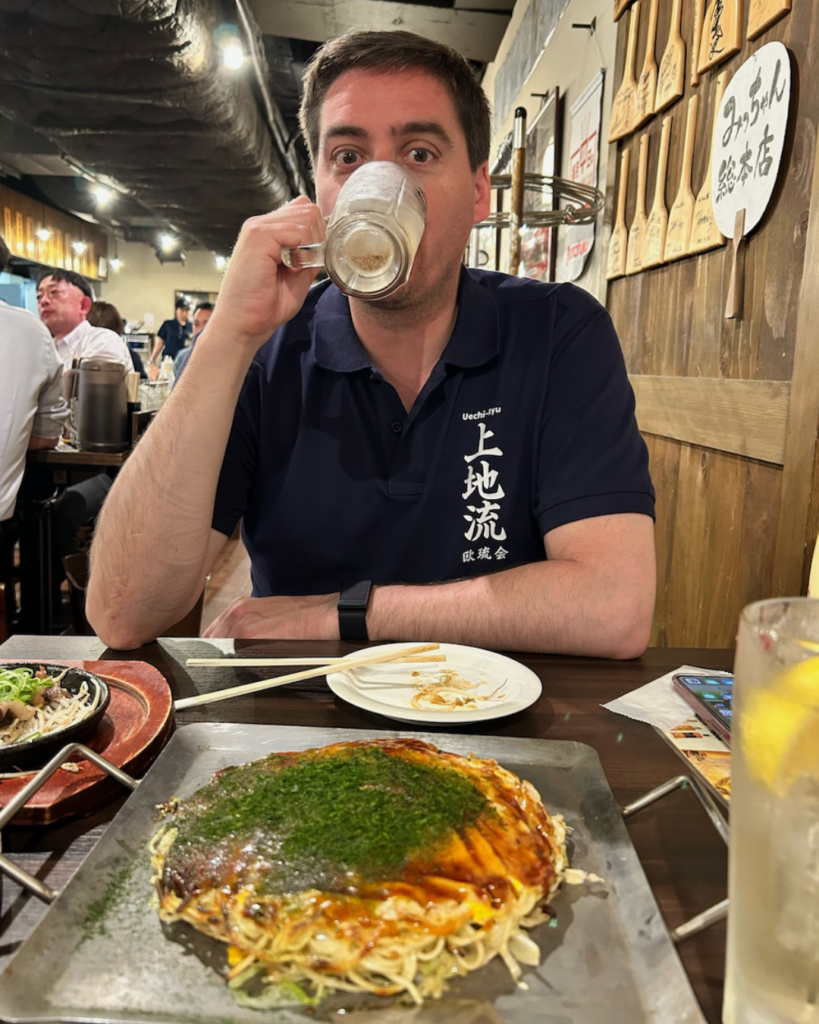
You cannot visit Hiroshima without trying their soul food. Unlike the Osaka version, Hiroshima Okonomiyaki is layered, featuring noodles (soba or udon) and a generous portion of cabbage.
My Tip: Head to Okonomimura (Okonomi Village), a building with three floors of small stalls. It’s the perfect “Ha” (break) in your day to refuel.
4. Hiroshima Castle: The Return of the Carp
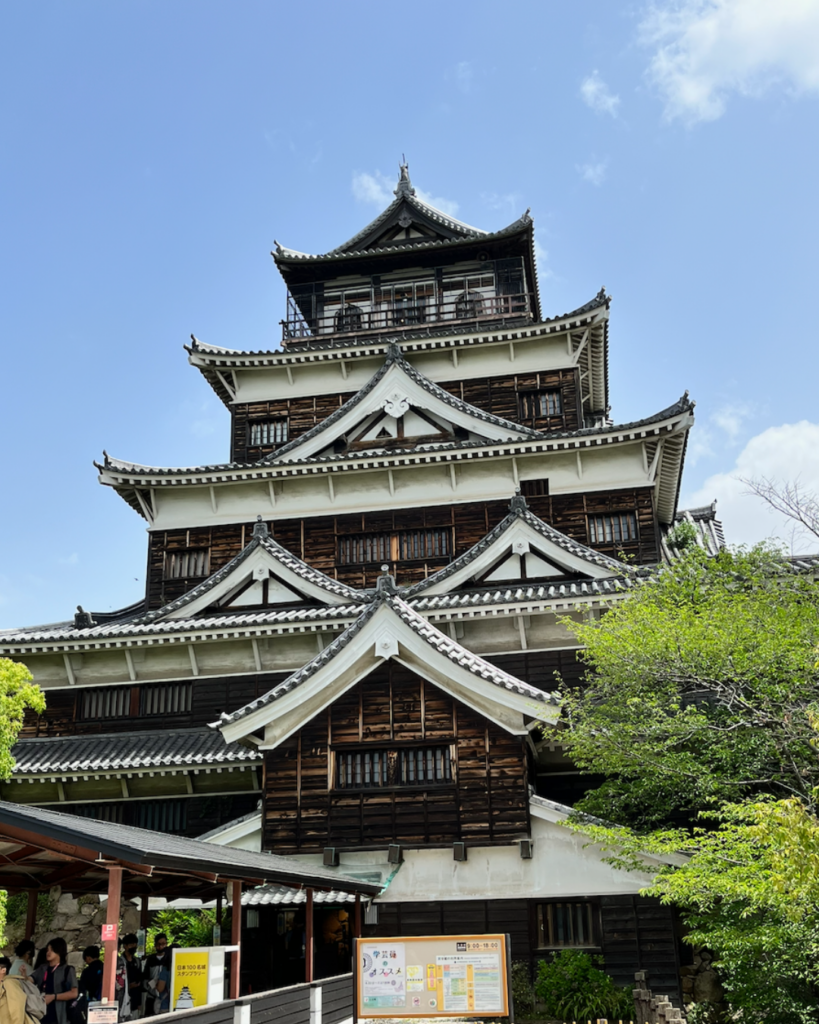
After the emotional weight of the morning, I walked 15 minutes north to Hiroshima Castle (Rijō or “Carp Castle”).
Originally built in 1589, the castle was a total loss in 1945. However, its 1958 reconstruction is a stunning tribute to the city’s samurai origins.
What to Look For:
The Survival Trees (A-Bombed Trees): Inside the castle walls, look for the Eucalyptus and Willow trees. Despite being charred by the heat of the blast, they survived and continue to grow today. They are living symbols of the samurai spirit—unyielding and rooted.
The Museum: The interior of the keep houses an excellent collection of Edo-period armor and katanas. For an Iaidoka, seeing the local craftsmanship and the history of the Asano clan is a must.
The View: Climb to the 5th floor for a panoramic view of the city. Seeing the modern skyline from a traditional fortress gives you a true sense of Japan’s ability to honor the past while embracing the future.
Practical Information for Your Visit
Location
Suggested Time
Entry Fee
Genbaku Dome
30 mins
Free
Peace Museum
2 hours
200 JPY
Hiroshima Castle
1.5 hours
370 JPY
How to get around: Use the Hiroden (the iconic streetcars). They are a living piece of history—some of the trams running today actually survived the 1945 bombing and were back on the tracks just three days later.
My day in Hiroshima followed the rhythm of Jo-Ha-Kyū:
Jo (Begin): The somber, slow realization at the Dome.
Ha (Break): The movement through the park and the vibrant energy of the city streets.
Kyū (Fast/End): The ascent to the top of the Castle, looking out over a city that refused to die.
If you are intreseted in the Budo Jo Ha Kyū concept, please have a look on my dedicated post.
Hiroshima is more than a tragic history; it is a vibrant, green, and welcoming city that embodies the very essence of Budo: the strength to remain calm and kind, no matter what storms have passed.
If you want to know more do not hesitate to listen Liomugai’s podcast :
If you have ever watched a Mugai-ryū master perform a kata, or if you have attended a tea ceremony (Chanoyu), you have likely sensed an invisible progression. It isn’t a constant speed, but rather a wave that builds, breaks, and stops dead.
This ternary rhythm is Jo-Ha-Kyū (序破急).
Far more than a simple technical instruction, it is an aesthetic and spiritual law that governs almost all traditional Japanese arts. Let’s dive into this essential concept to understand the dynamics of the sword and Japanese culture.
What is Jo-Ha-Kyū?
The term is composed of three kanji that define the phases of a movement or an event:
Jo (序) – The Introduction: Begin slowly, with restraint. This is the moment of concentration, setting the posture, and grounding the breath.
Ha (破) – The Rupture: The movement develops and accelerates. One “breaks” the initial calm. This is where the action takes shape and unfolds.
Kyū (急) – The Culmination: A sudden, lightning-fast acceleration—the peak of the movement that ends sharply and decisively.
Did you know? This concept was theorized by Zeami Motokiyo, the founder of Noh theater, in the 14th century. He believed that everything in the universe—from a bird’s song to an entire play—followed this natural rhythm.
Jo-Ha-Kyū in Mugai-ryū Iaihyōdō
In Iaido, and particularly in the minimalist style of Mugai-ryū, Jo-Ha-Kyū is what distinguishes a mechanical execution from a demonstration of life (Sei).
The Art of Nukitsuke (Drawing the Sword)
Watch a Nukitsuke closely:
Jo: The hand grasps the Tsuka, the thumb releases the Tsuba (Koiguchi no kirikata). It is an internal movement, almost invisible.
Ha: The sword exits the scabbard (Saza-muchi), speed increasing as the blade glides.
Kyū: The tip clears the scabbard and strikes in a flash. The stop is instantaneous, charged with energy (Zanshin).
If you maintain the same speed from start to finish, your movement becomes predictable. Jo-Ha-Kyū allows you to surprise your opponent by shattering their own rhythm.
A Universal Aesthetic: From Noh Theater to the Tea Ceremony
The genius of this concept is that it applies to fields that seem polar opposites to combat.
In Noh Theater
A Noh play begins with slow, solemn gestures. Gradually, the movements become more complex, the music intensifies, finally ending in a fast, percussive dance before the final silence. Without this rhythm, the audience would lose focus; with it, they are transported into a trance.
In the Way of Tea (Sado)
Even when serving a bowl of matcha, the master follows this curve:
Jo: The slow and meticulous cleaning of the utensils.
Ha: The preparation of the tea, with more fluid and dynamic movements.
Kyū: The final gesture of presenting the bowl, precise and without hesitation.
Why is it important for your practice?
Mastering Jo-Ha-Kyū means learning to manage your energy.
In our modern lives, we are often in permanent “Kyū” mode (urgency, speed). Practicing Iaido forces us to rediscover “Jo” (preparation, conscious slowness).
Dojo Tips:
Don’t rush: A start that is too fast often ruins the end of the movement.
Breathe: Use the inhale for Jo, the breath-hold or controlled exhale for Ha, and the explosive exhale for Kyū.
Observe nature: Think of a water droplet gathering on a leaf (Jo), beginning to slide (Ha), and falling abruptly (Kyū).
Jo-Ha-Kyū is the heartbeat of Budo. By seeking this rhythm in your katas, you are no longer just working your muscles, but your presence in the world. The sword then becomes an extension of this universal pulse.
Whenever I visit my Japanese family’s hometown near Mount Fuji, there’s one place I always try to go back to. It’s not a big city, not a famous temple, and not one of the crowded viewpoints of Fuji.
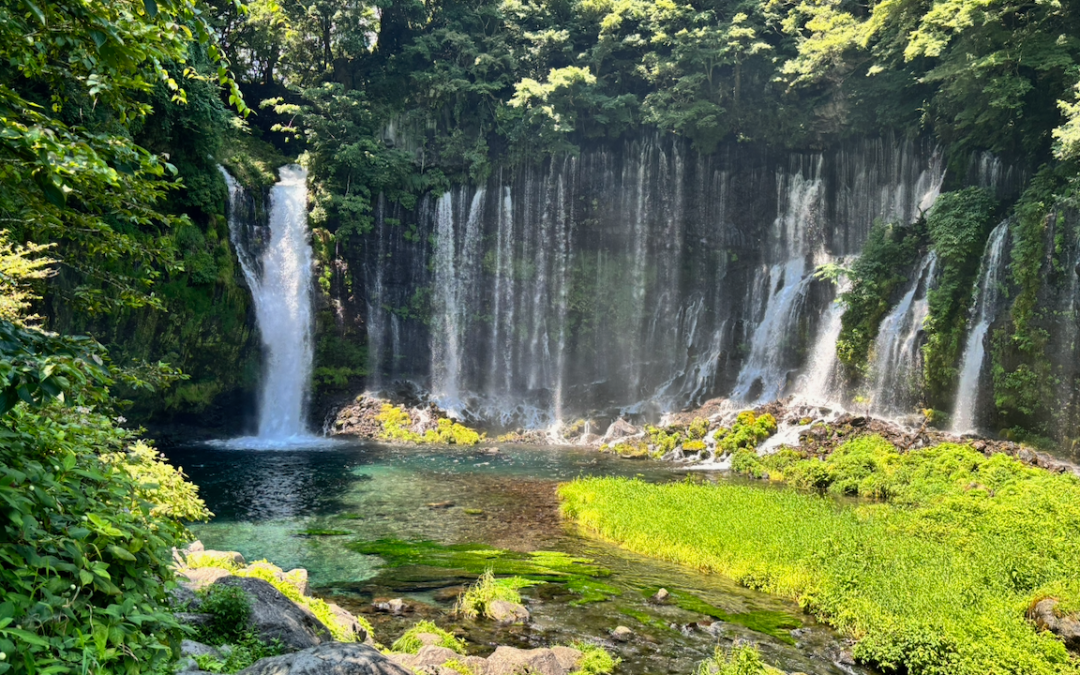
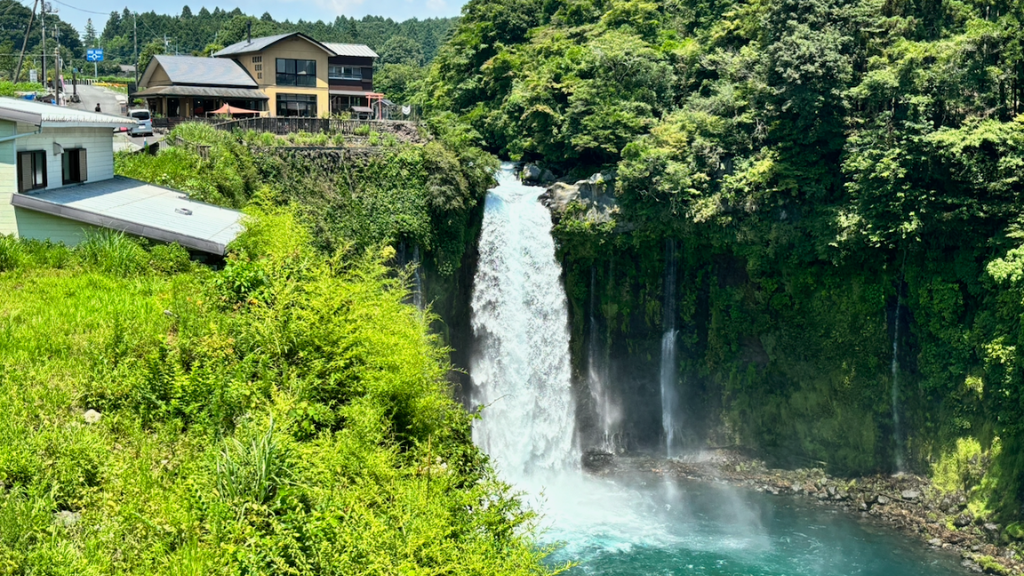
It’s a quiet waterfall hidden in the forest called Shiraito Falls.
The first time my family took me there, I didn’t really know what to expect. Japan has many waterfalls, after all. But as we walked down the forest path and I heard the sound of water echoing through the trees, I realized this place felt different.
Shiraito Falls isn’t dramatic or overwhelming. Instead, it’s peaceful, delicate, and strangely mesmerizing—the kind of place where you end up standing still for a long time without even noticing.
The Short Walk to the Falls
Getting to Shiraito Falls is part of the experience.
From the parking area, you follow a small path that slowly winds downhill through the trees. It’s not a long walk, but the atmosphere gradually changes as you go.
The air becomes cooler. The forest feels thicker. And the sound of water begins to grow louder with every step.
My family always walks slowly here, pointing out little things along the way—moss growing on rocks, small streams crossing the path, and sometimes the distant shape of Mount Fuji visible between the trees.
Then suddenly the path opens up.
And there it is.
Waterfall Made of “White Threads”
The first time you see Shiraito Falls, the shape of it might surprise you.
Most waterfalls crash down from a single point. This one doesn’t. Instead, water flows out from hundreds of small openings along a curved cliff face.
The streams fall gently down the dark rock, forming thin white lines across the entire wall. From a distance, it really does look like hundreds of threads hanging in the air.
That’s exactly where the name comes from—“Shiraito” means “white threads.”
The waterfall stretches about 150 meters wide, but it’s not especially tall. The beauty isn’t in its height or power. It’s in the delicate way the water flows.
Every stream moves slightly differently, creating a constantly shifting pattern.
I remember standing there the first time and thinking it almost looked like nature was quietly weaving something.
Water From Mount Fuji
Another thing that makes Shiraito Falls special is where the water comes from.
The water actually starts its journey on Mount Fuji. Rain and snow on the mountain slowly seep into the volcanic layers of rock and soil. Over time—sometimes years—it travels underground before finally emerging from the cliff at Shiraito.
So when you’re standing there watching the water fall, you’re really seeing water that has been slowly filtered through the mountain itself.
It’s incredibly clear and pure. When the sunlight hits the mist rising from the basin, you can sometimes see faint rainbows forming in the air.
In Shinto, the traditional belief system of Japan, natural places like mountains, forests, rivers, and waterfalls are believed to be inhabited by spiritual presences called kami.
These aren’t “gods” in the way many Western religions think of them. They’re more like sacred energies or spirits connected to the natural world.
Waterfalls are especially meaningful because flowing water represents purification.
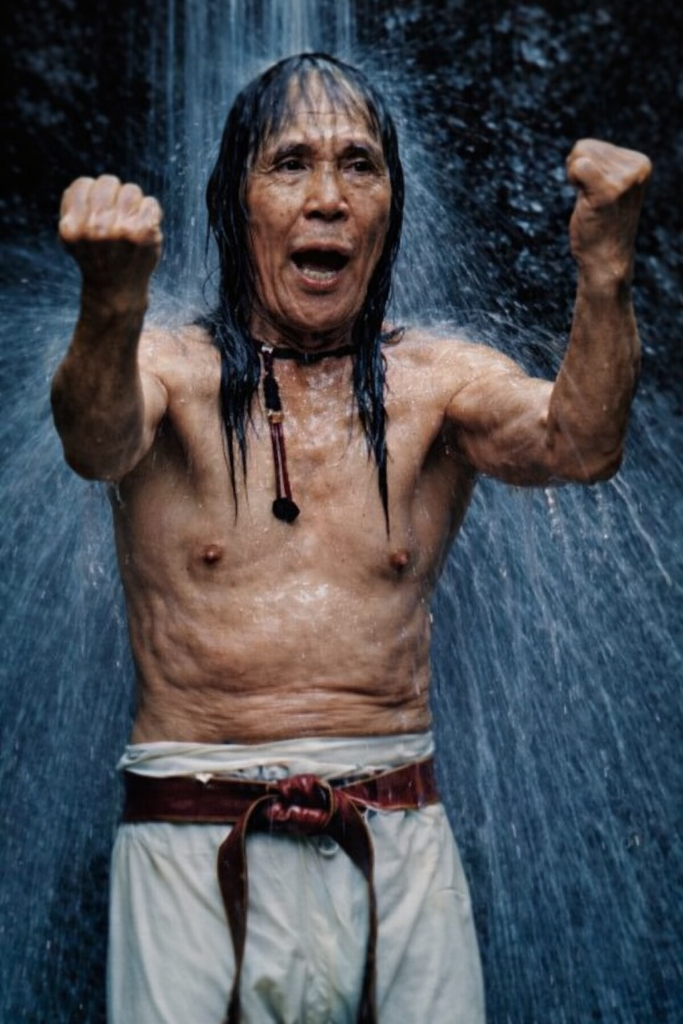
For centuries, people practiced a ritual called misogi, where they stood under cold waterfalls or in rivers to cleanse their body and spirit. The rushing water symbolically washes away impurities.
Shiraito Falls has long been connected to spiritual practices linked to Mount Fuji. Pilgrims and mountain ascetics would visit places like this as part of their training before climbing the sacred mountain.
Whenever friends ask me what they should see around Mount Fuji, they usually expect recommendations for famous viewpoints or big tourist attractions.
I always recommend them to go to walk around the Tanuki Lake and to visit Shiraito Falls.
In my Japanese family, the falls are a place of deep significance, visited to honor life’s most important moments. These pilgrimages are more than just trips; they are key milestones that connect our generations. My own martial path—from my teenage years in Goju-ryu to my current role as a Uechi-ryu teacher—is deeply tied to this imagery. I often recall the legendary Gogen Yamaguchi practicing misogi under the cascade, a powerful symbol of the discipline I strive to follow.