
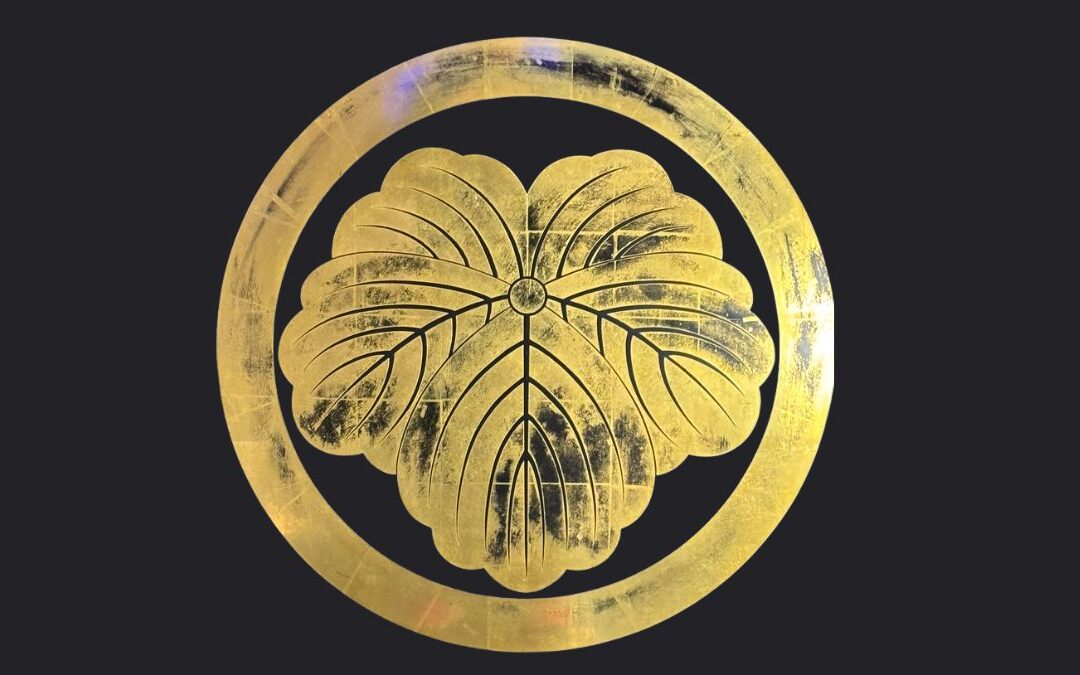
The word Kamon translates literally to “house mark.” Unlike European heraldry, which is often complex and colorful, Kamon are almost always circular and designed in a single color (usually white on black or vice versa).
Originally, these marks were used by the nobility in the Heian period (794–1185) to identify their ox-carriages. Later, during the bloody warring states period, they became essential on the battlefield to distinguish friend from foe.
Popular Motifs
Most Kamon are derived from nature, geometry, or everyday objects. Each carries a specific “language” or virtue.
The most kown :
| Motif | Name | Meaning |
| Chrysanthemum | Kiku | The symbol of the Emperor and the Imperial family. |
| Hollyhock | Aoi | Famous as the crest of the Tokugawa Shogunate. |
| Crane | Tsuru | Represents longevity, loyalty, and good fortune. |
To continue this post, I propose to detail the more known : The Imperial Kamon and the Tokugawa Kamon.
The Flower of the Sun: The Story of the Japanese Imperial Kamon
In the hierarchy of Japanese family emblems, one stands above all others. It is not owned by a samurai clan or a noble house, but by the oldest continuous hereditary monarchy in the world.
This is the Kiku-mon (菊紋)—the Sixteen-Petal Chrysanthemum—the official crest of the Emperor of Japan.
The Design: The 16-Petal Chrysanthemum
The Imperial Kamon is a stylized chrysanthemum consisting of a central circle surrounded by 16 front petals, with the tips of 16 back petals peeking out from behind.
While the chrysanthemum is a common flower, this specific “double-layered” 16-petal design is reserved exclusively for the Emperor. It is a masterpiece of radial symmetry, designed to resemble a blazing sun, bridging the gap between the flower of the earth and the goddess of the sun, Amaterasu, from whom the Imperial line is said to descend.
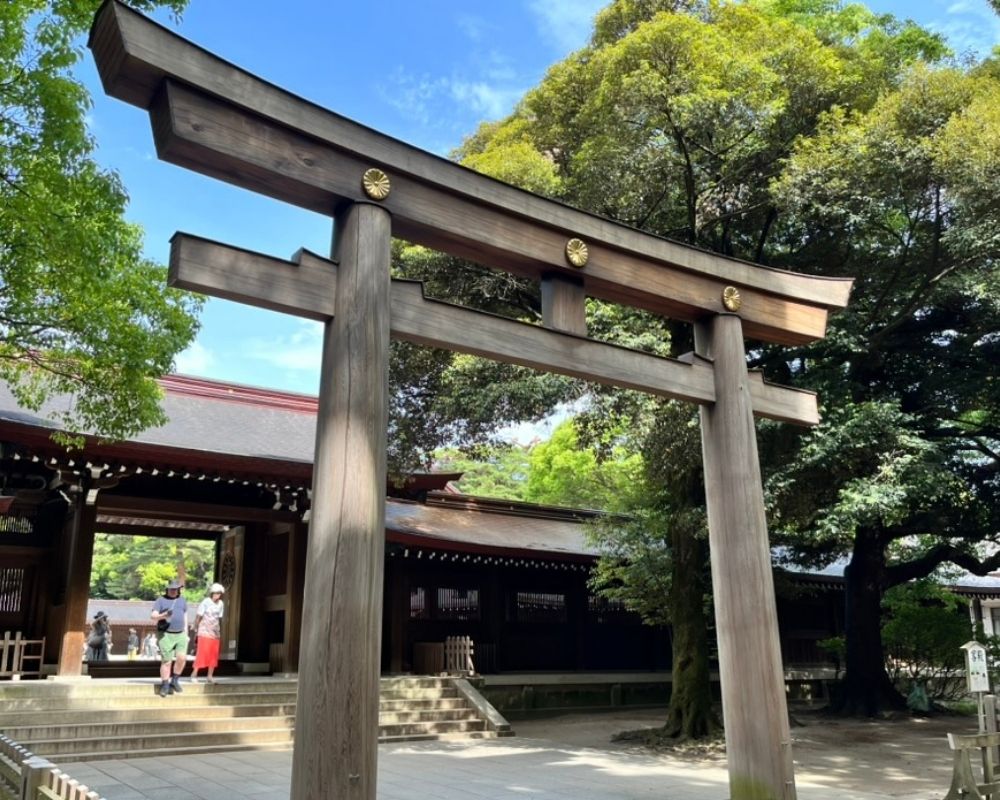
Why the Chrysanthemum?
The choice of the chrysanthemum dates back to the Heian Period (794–1185).
- The “Medicinal” Flower: Originally imported from China, the chrysanthemum was believed to grant longevity and ward off evil spirits.
- Emperor Go-Toba: The 82nd Emperor, Go-Toba (reigned 1183–1198), was a great lover of the flower. He began using it as his personal seal, engraving it on his swords and documents.
- Formal Adoption: Over time, what started as a personal preference became the official emblem of the Imperial House.
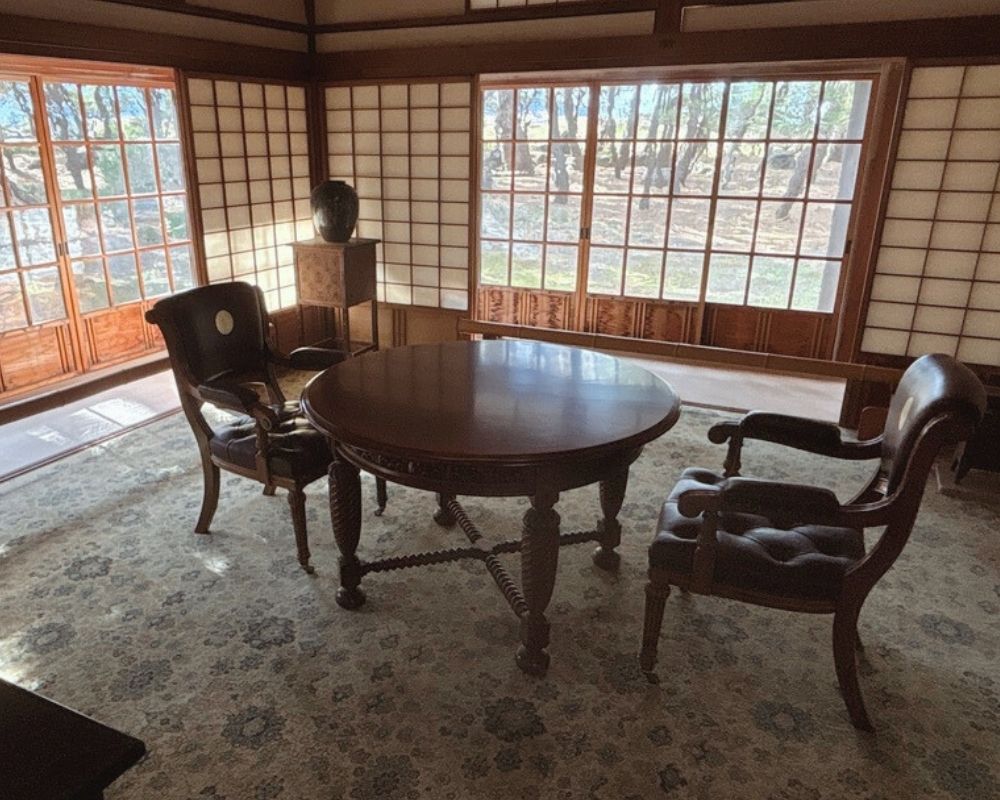
(Photo: Liomugai)
The “Forbidden” Mark
For centuries, the use of the 16-petal chrysanthemum was strictly regulated. During the Meiji Restoration (1868), when the Emperor was restored to central power, the government passed laws to solidify the Kiku-mon as a national symbol of authority.
- Strict Exclusivity: From 1871 until the end of World War II, it was a crime for a commoner to use the Imperial crest.
- The “Prince” Variations: Members of the Imperial family branches use a slightly different version (typically a 14-petal chrysanthemum) to distinguish themselves from the reigning Emperor.
Where to find Imperial Kamon today ?
The Imperial Kiku-mon is a living symbol of the Japanese state.
You can find it in several significant places:
- The Japanese Passport: The gold emblem on the cover of every Japanese passport is a simplified 16-petal chrysanthemum.
- Diplomatic Buildings: It serves as the official seal on the gates of Japanese embassies and consulates worldwide.
- Shrines: Because the Emperor is the head of Shinto, the Kiku-mon is prominently displayed at major shrines, most notably Ise Jingu and Yasukuni Shrine.
- The Diet (Parliament): It appears on the podiums and official documents of the Japanese government.
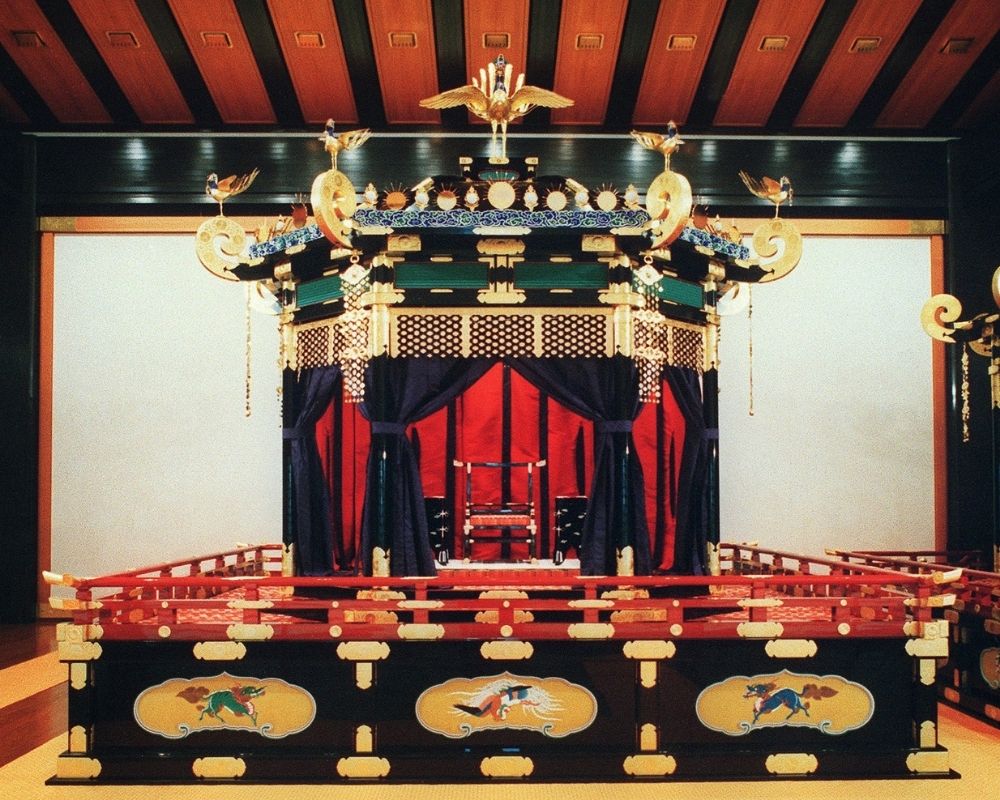
The Japanese throne itself is often referred to in English as the “Chrysanthemum Throne.”
Symbolism: Longevity and the Sun
The Kiku-mon represents more than just royalty; it embodies the essence of Japan:
- Immortality: As the flower blooms in the autumn and survives the first frosts, it represents resilience.
- Solar Power: The radial lines evoke the Nisshō (the rising sun), reinforcing the Emperor’s role as a descendant of the Sun Goddess.
- National Unity: Today, it serves as a symbol of the unity of the Japanese people.
The Power and Legacy of the Tokugawa Kamon
In the history of Japan, few symbols carry as much weight, fear, and prestige as the Mitsuba Aoi (三葉葵)—the Triple Hollyhock crest. For over 250 years, this emblem was the ultimate mark of authority, representing the Tokugawa Shogunate, the military government that unified Japan and maintained an era of unprecedented peace.
The Design: The Triple Hollyhock
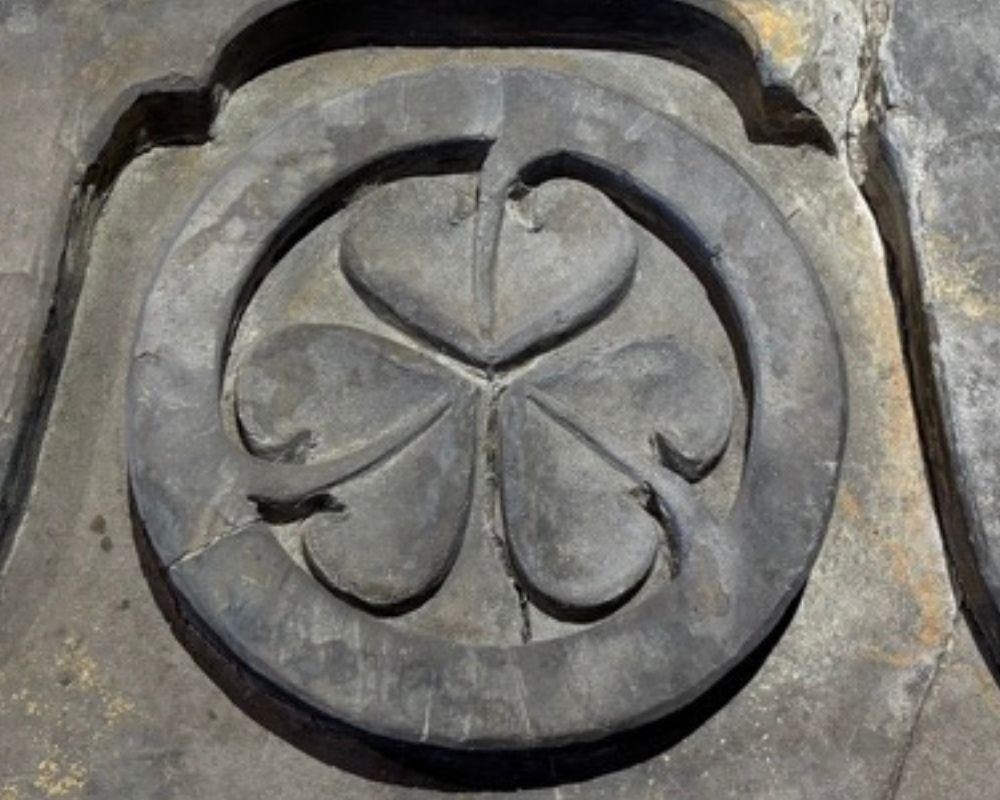
The Tokugawa Kamon features three leaves of the wild ginger (often referred to as “hollyhock”) pointing inward within a circle.
Unlike many other Kamon that use flowers (like the Imperial Chrysanthemum), the Aoi leaf is humble and hardy. However, when arranged in the Tokugawa style, it becomes a balanced, geometric masterpiece that suggests stability and unwavering strength.
Origins and Divine Connection
Before they were Shoguns, the Tokugawa were the Matsudaira clan of Mikawa Province. They adopted the hollyhock crest because of its association with the Kamo Shrine in Kyoto.
- The Ritual: The hollyhock was used in the Aoi Matsuri, one of Kyoto’s oldest and most sacred festivals.
- The Blessing: By adopting this mark, the Tokugawa ancestors claimed the spiritual protection of the Kamo deities, signaling that their lineage was blessed by the gods long before they took political power.
A Symbol of Absolute Authority
During the Edo Period (1603–1868), the Mitsuba Aoi was not just a decoration; it was a legal instrument.
- Exclusivity: The Shogunate passed strict laws forbidding anyone outside the Tokugawa family (and a few specific branches like the Mito, Owari, and Kii) from using the hollyhock design.
- The “Badge” of Power: In popular Japanese folklore and television (such as the famous show Mito Kōmon), a protagonist often reveals a small lacquer box (inrō) featuring the Tokugawa crest. At the mere sight of it, even the most corrupt officials must bow to the floor in submission, as the crest was equivalent to the presence of the Shogun himself.
Where to find Tokugawa Kamon today ?
Although the Shogunate fell during the Meiji Restoration in 1868, the Tokugawa legacy remains etched into the landscape of Japan:
- Nikkō Tōshō-gū: The lavishly decorated shrine and mausoleum of Tokugawa Ieyasu is covered in gold-leafed Aoi crests.
- The City of Nagoya: The Nagoya city flag is actually a stylized version of the character “eight” ($八$) inside a circle, but the city remains the spiritual home of the Owari-Tokugawa branch, and the crest is visible throughout the city’s historical sites.
- The Tokugawa Art Museum: Located in Nagoya, this museum houses the finest collection of Shogunal treasures, all branded with the triple hollyhock.
Why the Tokugawa Kamon Matters
The Tokugawa Kamon represents the Great Peace (Pax Tokugawa). It reminds us of a time when Japan transitioned from a nation of constant civil war into a unified society with a flourishing culture of arts, poetry, and philosophy.While other Kamon represent individual families, the Mitsuba Aoi represents an entire era of human history.
Why having chosen the Mitsuba Aoi for Liomugai ?
I initially considered using my japanese family crest for Liomugai , but I felt the site needed something with a broader appeal. My decision was finalized during a visit to Kunōzan Tōshō-gū. Seeing the simplified kamon etched into the ancient stones there was a revelation; it was elegant and understated. That place, so quiet and connected to the earth, stayed with me. As I descended from the mountain, it became clear: this simplified emblem was the ideal visual identity for Liomugai.