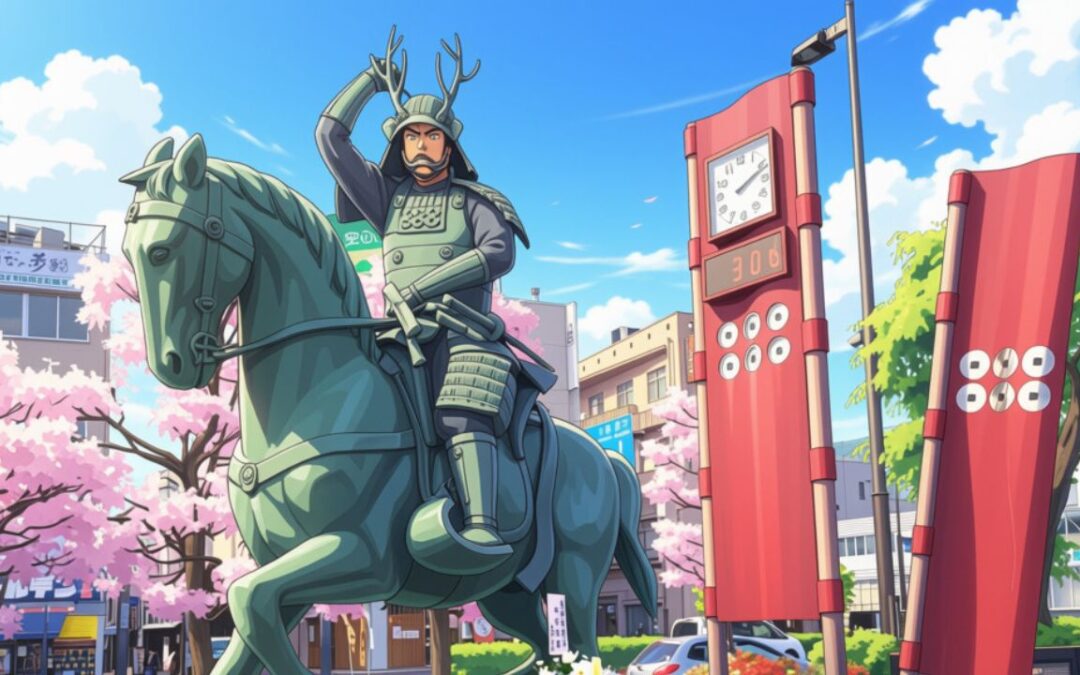
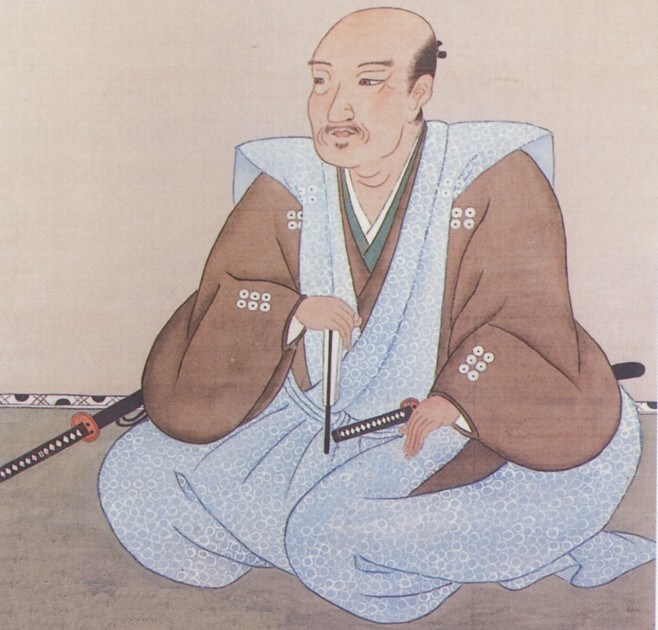
Four centuries after his death at the Siege of Osaka, Sanada Yukimura remains one of the most celebrated figures in Japanese military history. Recognized in historical records as the “Number one warrior in Japan” (Nihon-ichi no mohei), the “Crimson Demon of War,” and “A Hero who may appear once in a hundred years,” he was lauded even by rival commanders such as Shimazu Tadatsune for his supreme martial valor. Although he never governed the nation or won an overarching war, his enduring legacy rests upon his extraordinary tactical intellect, resilience, and unwavering adherence to the samurai code of bushidō.
1. From Nobushige to Yukimura: Early Life and Family Lineage
Historical documents confirm that the warrior known to modern popular culture as Yukimura was actually named Sanada Nobushige. The name “Yukimura” emerged decades after his death through Edo-period military novels, theatrical plays, and folk chronicles that dramatized his exploits.
Born in 1567 in Shinano Province (modern-day Nagano Prefecture), Nobushige was the second son of Sanada Masayuki, a master military strategist who originally served Takeda Shingen and Takeda Katsuyori. Raised during the turbulent Sengoku period (Warring States era), young Nobushige received comprehensive instruction in swordsmanship, archery, horsemanship, military strategy, and Chinese classical texts. His father instilled a foundational rule of war: patience, observation, and strategic positioning can allow a smaller force to defeat a vastly superior opponent.
Following the collapse of the Takeda clan in 1582, the Sanada clan maneuvered through shifting regional alliances. To secure political backing, Masayuki sent Nobushige as a political hostage to Uesugi Kagekatsu in 1585, and later to Toyotomi Hideyoshi. Nobushige subsequently married Chikurin-in, the daughter of Hideyoshi’s key advisor Ōtani Yoshitsugu, establishing his position within the Toyotomi retainer network.
2. Sekigahara and the Defense of Ueda Castle
The geopolitical landscape of Japan shifted dramatically in 1600 with the Battle of Sekigahara, which pitted Tokugawa Ieyasu’s Eastern Army against the Western Army supporting the Toyotomi administration. To guarantee the survival of the Sanada lineage regardless of the outcome, the family divided its loyalties:
Sanada Nobuyuki (the elder brother) joined Tokugawa Ieyasu’s Eastern Army.
Sanada Nobushige and his father Masayuki aligned with the Western Army.
Prior to the main confrontation at Sekigahara, Masayuki and Nobushige fortified Ueda Castle against Tokugawa Hidetada’s advancing army. Utilizing strategic deception, terrain advantages, and surprise counter-attacks, the Sanada garrison of approximately 2,000 to 2,500 warriors successfully delayed Hidetada’s force of 38,000 to 40,000 men. This delay prevented Hidetada from reaching Sekigahara in time for the decisive battle.
Despite the defensive success at Ueda, the Western Army was defeated at Sekigahara. Through the political intervention of his pro-Tokugawa brother Nobuyuki, Nobushige and his father were spared execution and sentenced to exile at Kudoyama, near Mount Kōya.
3. Fourteen Years of Exile at Kudoyama
Nobushige spent nearly fourteen years (1600–1614) in confinement at Kudoyama. Lacking financial resources, he lived in poverty, and his father Masayuki died in exile in 1611 without receiving a pardon.
Letters written during these years record Nobushige lamenting his deteriorating health, failing teeth, and aging appearance. Nevertheless, he maintained his martial mindset, continuously studying past military campaigns and awaiting an opportunity to fulfill his allegiance.
4. The Siege of Osaka and the Sanada-maru
In 1614, open conflict erupted between Tokugawa Ieyasu and Toyotomi Hideyori. When Hideyori issued a call for masterless samurai (rōnin) to defend Osaka Castle, the 49-year-old Nobushige escaped surveillance at Kudoyama and joined the garrison.
Identifying the southern perimeter of Osaka Castle as its most vulnerable sector, Nobushige designed and constructed an earthwork barbican attached to the outer moat: the Sanada-maru.
Structural and Tactical Features of the Sanada-maru:
Defensive Earthworks & Moats: Protected by dry moats (karabori) and wooden palisades to canalize attacking infantry.
Concentrated Firepower: Fitted with wooden watchtowers (seirō) matted for arquebusiers to unleash organized volley fire.
Garrison Force: Defended by approximately 6,000 to 7,000 troops under Nobushige’s direct command.
During the Winter Siege of Osaka (1614), Tokugawa forces under Maeda Toshitsune, Ii Naotaka, and Matsudaira Tadanori launched heavy assaults against the position. Nobushige’s forces repeatedly repelled force contingents totaling 10,000 to 30,000 men, inflicting severe casualties while executing sorties that broke through the siege lines three times.
Unable to breach the fortification by ground assault, Tokugawa Ieyasu employed artillery bombardments to force peace negotiations. Under the resulting truce conditions, Tokugawa forces systematically filled in Osaka Castle’s outer moats and dismantled the Sanada-maru.
5. The Crimson Charge of 1615 and Death
Deprived of defensive earthworks, the Toyotomi forces faced the Summer Siege of Osaka in May 1615.
On June 3, 1615 (Battle of Tennōji), Nobushige rode into combat at the head of 3,000 to 3,500 elite troops uniformly outfitted in crimson armor (Sanada Red Armor). Recognizing that a prolonged defense was impossible, Nobushige spearheaded an aggressive charge directed straight at Tokugawa Ieyasu’s central command post at Chausuyama.
The crimson vanguard penetrated multiple enemy lines, throwing the Tokugawa central command into disarray, repelling troops three times, and knocking down Ieyasu’s personal command banner. Exhausted after hours of continuous fighting, Nobushige withdrew to rest at Awa Shrine, where he was killed by enemy soldiers after declaring his identity.
6. Myth vs. Reality: The Sanada Ten Braves
Legendary accounts frequently associate Sanada Yukimura with the Sanada Ten Braves (Sanada Ten Ninja), a mythic group of ten ninja warriors—including figures such as Sarutobi Sasuke and Kirigakure Saizō—who allegedly conducted superhuman espionage during the Osaka campaign.
The Myth: The named Ten Braves are fictional characters created in Edo-period literature and popularized in Taishō-era comic books.
The Historical Reality: The Sanada clan did maintain a highly effective secret intelligence and scout network—functioning similarly to ninjas—to gather strategic field intelligence on enemy troop movements.
Sanada Yukimura Crest
7. The Six Coins (Rokumonsen) and the Philosophy of Bushidō
The Sanada family crest featured the Rokumonsen—six mon coins arranged horizontally in two rows.
In Japanese Buddhist tradition, six coins were placed alongside the deceased to pay the ferryman across the Sanzu River to the afterlife. Wearing this emblem signified that a warrior had accepted death prior to entering battle, allowing him to act without fear or hesitation.
Sanada Yukimura’s life exemplifies core samurai virtues that continue to be studied in Japanese martial history:
Strategic Intellect: Demonstrating that tactical analysis, composure, and terrain preparation can negate numerical superiority.
Perseverance in Adversity: Maintaining mental discipline and focus through long years of hardship and exile.
Unwavering Loyalty: Remaining faithful to a cause despite overwhelming odds and certain defeat.
In the history of Japanese martial traditions (budō, 武道), few figures embody the union of swordsmanship and Zen Buddhism as completely as Tsuji Gettan Sukemochi (辻月丹資茂, 1648–1728), founder of Mugai-ryū (無外流).
Gettan’s life traces a rare and profound arc:
from samurai swordsman to Zen monk, from technical mastery (waza, 技) to realization of emptiness (mu, 無). His school is not merely a system of combat, but a physical expression of Zen insight, where the sword becomes a vehicle for awakening.
Edo Period and the Way of the Sword
Tsuji Gettan was born in 1648, early in the Edo period (江戸時代), a time of peace under the Tokugawa shogunate. With warfare largely absent, the samurai class faced an existential shift:
What is the purpose of the sword in an age without war?
This question gave rise to a new understanding of martial practice:
Swordsmanship as self-cultivation (shugyō, 修行)
Combat as a path toward ethical refinement
The integration of Zen (禅), Confucianism (儒教), and martial discipline
It was within this atmosphere that Gettan’s transformation became possible.
Early Life and Martial Training (武芸修行)
Tsuji Gettan Sukemochi was born into a samurai family (侍). From a young age, he was trained in classical sword arts (kenjutsu, 剣術), eventually studying several established schools, including:
Sekiguchi-ryū (関口流)
Yamaguchi-ryū (山口流)
These traditions emphasized:
Correct posture (shisei, 姿勢)
Efficient body mechanics
Decisive, realistic technique
Gettan sensei gained a reputation for calmness and precision rather than brute force. Yet even as his skill deepened, a realization emerged: technical excellence alone was incomplete.
The Inner Conflict: Technique Without Awakening
Like many elite swordsmen of his time, Gettan reached a point where further refinement of technique failed to bring clarity.
Questions arose:
What remains when technique disappears?
Who cuts when there is no thought?
Can the sword reveal ultimate truth (shinri, 真理)?
In Zen terms, Gettan faced the limit of form (kata, 形) without essence (ri, 理). This inner conflict pushed him beyond martial schools and toward Zen practice.
Encounter with Zen Buddhism (禅)
Tsuji Gettan became a disciple of the Rinzai Zen monk Sekitō Kisen (石頭希遷系臨済禅). Under his guidance, Gettan undertook severe spiritual training, including:
Zazen (坐禅) — seated meditation
Kōan practice (公案) — paradoxical Zen questions
Monastic discipline designed to exhaust ego and attachment
Through this process, Gettan confronted the root of fear, identity, and duality. Eventually, he attained satori (悟り), a direct realization of reality beyond conceptual thought.
Upon awakening, he received the Buddhist name Gettan (月丹):
月 (getsu / tsuki) — moon
丹 (tan) — cinnabar, elixir, essence
The name evokes the moon reflected in still water — pure awareness, unattached, illuminating without effort.
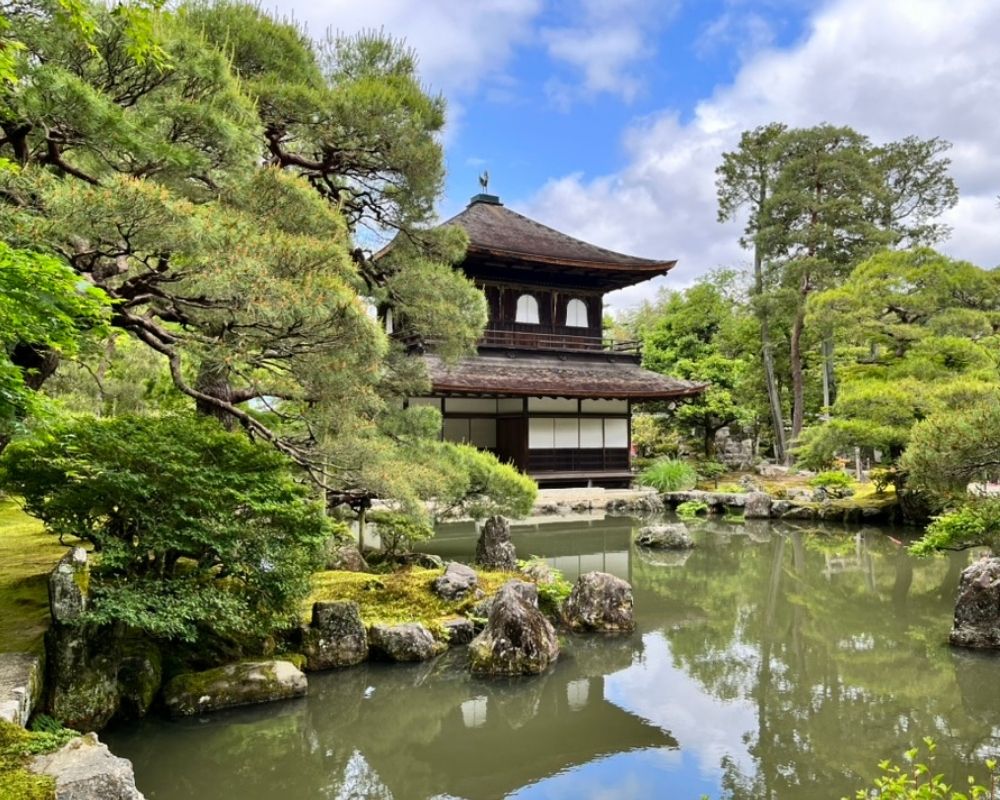
Ginkaku-ji (Kyoto) – Photo Liomugai
The Birth of Mugai-ryū (無外流)
After his Zen realization, Gettan returned to swordsmanship with transformed perception. From this union of Zen insight and martial experience, he founded Mugai-ryū.
The name of the school is profoundly philosophical: 無 (mu) — nothingness, emptiness, non-being
外 (gai) — outside, beyond
Mugai may be understood as: “That which exists beyond emptiness.” This does not imply nihilism, but freedom from duality — beyond self and other, life and death, victory and defeat.
Mugai-ryū specializes in iaijutsu (居合術), the art of drawing the sword and cutting in a single, decisive action.
Key characteristics include:
Simplicity (簡素, kanso) — no unnecessary movement
Directness (直截, chokusetu) — immediate resolution
Stillness of mind (静心, seishin) — action arising from silence
One cut, one life (一刀一命, ittō ichimei)
The kata are minimalistic, but unforgiving. They demand:
Perfect timing (hyōshi, 拍子)
Complete presence (zanshin, 残心)
Absence of ego (muga, 無我)
Teaching Beyond Technique: The Sword as a Zen Koan
As a teacher in Edo, Gettan attracted both samurai and scholars. However, he did not view Mugai-ryū merely as a fighting system.
For him:
Kata were moving kōan
Training was Zen practice in armor
The opponent was a mirror of the self
He emphasized key Zen-martial principles:
無心 (Mushin) — no-mind
不動心 (Fudōshin) — immovable mind
平常心 (Heijōshin) — everyday mind
True victory, Gettan taught, was victory over delusion.
In his later life, Tsuji Gettan increasingly withdrew from worldly ambition, focusing on teaching and Zen practice. He passed away in 1728, leaving behind:
Mugai-ryū Iaijutsu
A lineage of Zen-infused swordsmanship
A model of martial enlightenment
Mugai-ryū continues to thrive globally as a living expression of Zen. Speaking from experience, practicing it daily is more than just training; it is a vital asset for navigating the stresses of modern life.
If you want to know more, you can also read our podcast episode : The Awakening of the Sword
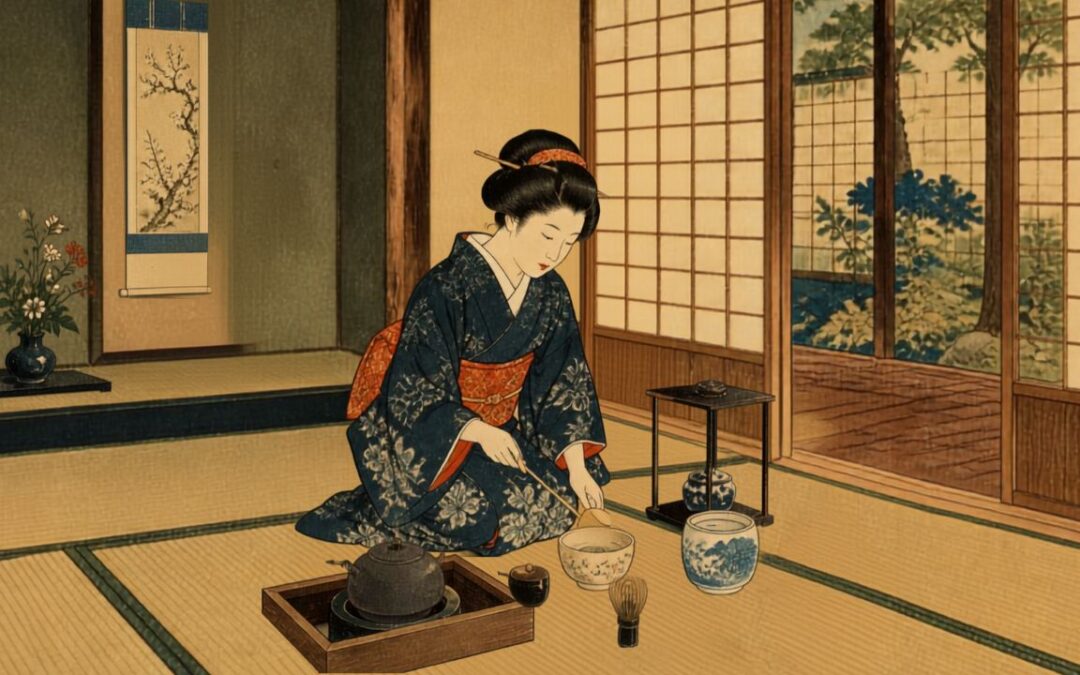
The Japanese tea ceremony, known as chanoyu (“hot water for tea”) or chadō (“the way of tea”), is much more than an aesthetic ritual or a social gathering. It is a profound spiritual discipline deeply rooted in the philosophy of Zen Buddhism. To truly understand the essence of this tradition, one must trace the historical journey of Zen, the evolution of powdered green tea (matcha), and the core principles that transform a simple cup of tea into a moving meditation.
The Journey of Zen: From India to Japan
Zen Buddhism traces its origins back over 2,500 years to the meditative awakening of Siddhartha Gautama under the Bodhi tree in India. Deriving its name from the Sanskrit word dhyāna (meaning “perfect contemplation”), the tradition was brought to China around 520 CE by the monk Bodhidharma, where it developed into Chan Buddhism.
Between the 12th and 13th centuries, Japanese Buddhist monks traveling to China—most notably the monk Eisai—brought these Zen teachings home to Japan. Eisai established the Rinzai school of Zen, which quickly gained favor among the samurai warrior class due to its emphasis on strict mental discipline, self-control, and direct focus on the present moment.
The Arrival of Matcha and Monastic Rituals
Along with Zen philosophy, Eisai introduced powdered green tea, or matcha, to Japan from Song Dynasty China in 1191. Initially, matcha was consumed within Zen monasteries as a medicinal remedy and as a practical aid to help monks remain alert during long hours of zazen (seated meditation).
Over time, this monastic practice expanded into broader feudal society. During the 14th and 15th centuries, tea tasting (cha-yoriai) became a lavish pastime among military lords and aristocrats, who competed to display their immense wealth using costly, pristine Chinese porcelain and bronze vessels.
The Wabi-Sabi Revolution and Sen no Rikyū
In response to this ostentatious display of luxury, tea masters began transforming tea preparation into an authentic spiritual practice. Murata Shuko (1422–1503), often regarded as the father of the tea ceremony, was the first to draw a direct parallel between tasting tea and practicing Zen meditation.
This movement culminated in the 16th century with the legendary tea master Sen no Rikyū. Rikyū revolutionized chanoyu by stripping away extravagant Chinese utensils and establishing the aesthetic philosophy of wabi-sabi—the appreciation of natural simplicity, humility, and the quiet beauty found in imperfection and age. Instead of perfect porcelain, Rikyū championed unadorned, rustic ceramic bowls (chawan) and simple bamboo tools, emphasizing that true refinement lies in extreme simplicity.
“The Way of Tea is nothing more than this: boil water, make tea, and drink it properly. That is all you need to know.” — Sen no Rikyū
The Four Pillars of Chadō: Wa, Kei, Sei, Jaku
Sen no Rikyū codified the spiritual framework of the Way of Tea into four foundational principles that guide every movement and interaction in the tearoom:
Wa (和 – Harmony): Achieving complete balance and alignment with nature, the changing seasons, the utensils, and fellow participants.
Kei (敬 – Respect): Demonstrating profound reverence for all human beings present and handling every humble object with total care and mindfulness.
Sei (清 – Purity): Cleansing both the physical environment and the inner mind, leaving ego, stress, and worldly anxieties at the threshold.
Jaku (寂 – Tranquility): Entering a state of unshakeable inner peace and serenity, which arises naturally when harmony, respect, and purity are fully realized.
Cha Zen Ichi Mi: “Zen and Tea Have the Same Taste”
The intimate connection between Zen and tea is epitomized by the ancient Japanese proverb Cha zen ichi mi (“Zen and tea have the same taste”).
In Zen philosophy, ultimate spiritual reality is not found in abstract dogma, but in the direct experience of ordinary daily actions. Every movement in the tea ritual—heating water in an iron kettle (kama), whisking powdered matcha with a bamboo whisk (chasen), and presenting the bowl—becomes an active exercise in mindfulness and presence.
The Tearoom as a Sanctuary of Radical Equality
The architecture of the traditional tea pavilion (chashitsu) embodies the Zen requirement to surrender one’s ego. The entrance door (nigiriguchi) is constructed deliberately low, requiring every guest to bow deeply and crawl inside.
Historically, even high-ranking samurai warlords had to unbuckle their katana (swords), leave them outside on a rack, and bow down to enter. Inside the small, minimalist room, all social hierarchies dissolved, creating a sacred space of absolute equality and shared human connection. This mindset is closely linked to the concept of Ichi-go Ichi-e (“one time, one meeting”), which reminds participants that every gathering is unique and will never occur again in the exact same way.
The Way of Tea reveals that true mastery and peace of mind do not require grand gestures. By bringing full awareness, humility, and respect to our daily routines, we can transform even the simplest moments into a sanctuary of stillness and presence.
You can as well listen to the dedicated episode on our Podcast Liomugai The Way of Sword and Budo
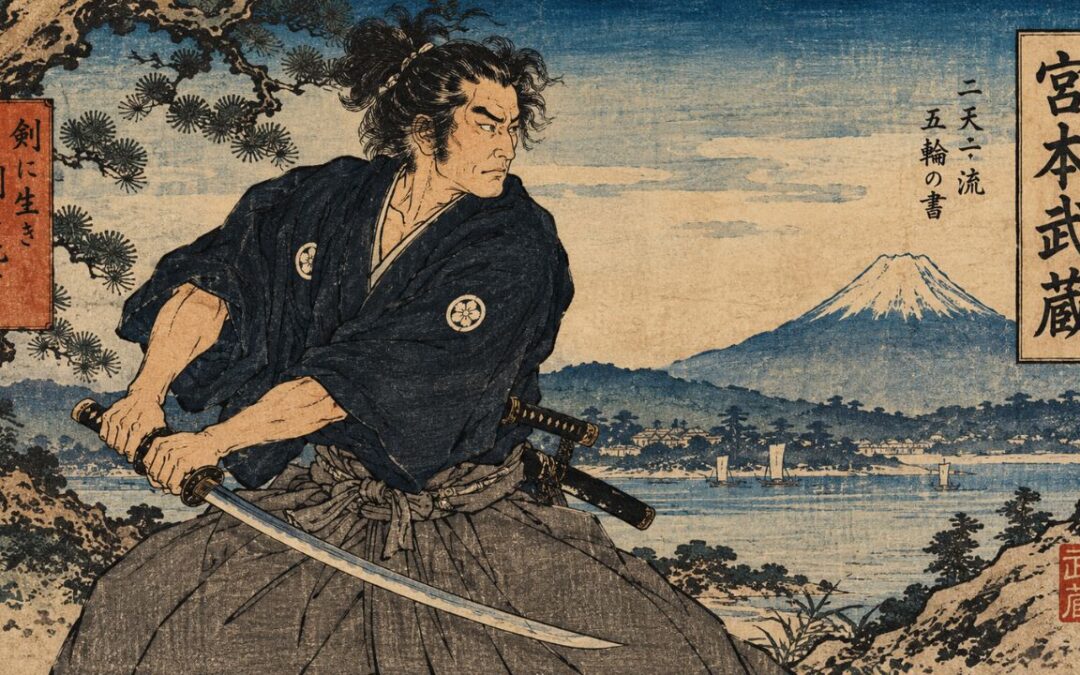
Miyamoto Musashi and The Book of Five Rings: Strategy, Zen, and the Mastery of Life
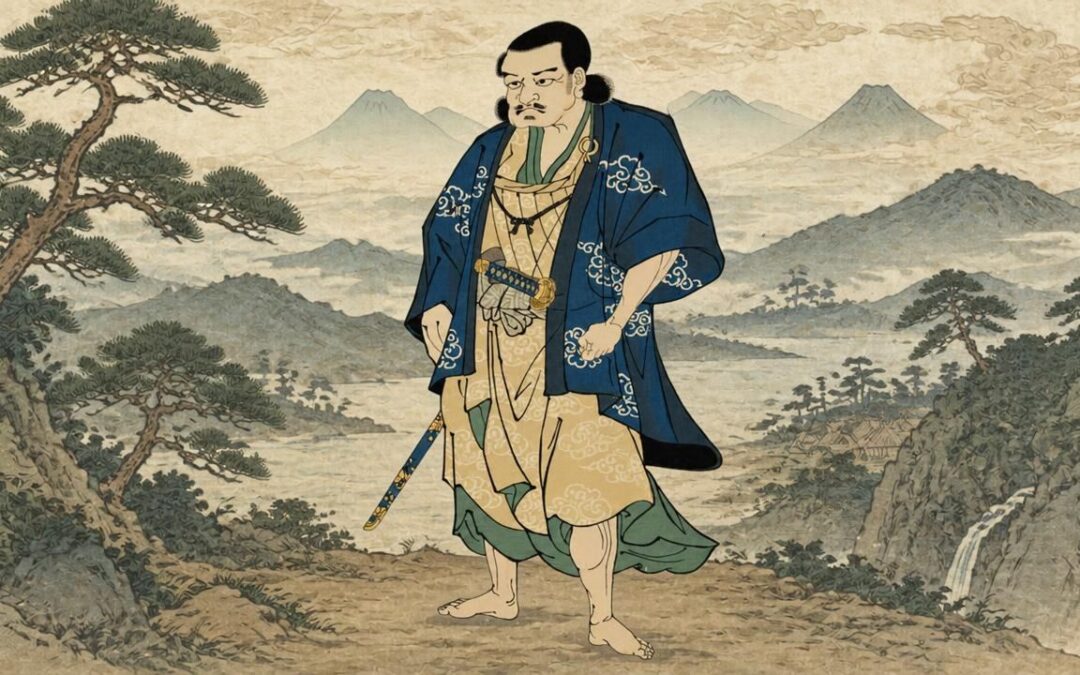
Miyamoto Musashi (c. 1583 – June 13, 1645) stands as one of the most enigmatic and revered figures in Japanese history. Celebrated as a kensei (“sword saint”), he was an undefeated rōnin, a master strategist, an accomplished ink painter, a calligrapher, and a philosopher. Over a lifetime spanning the turbulent late Sengoku and early Edo periods, Musashi fought in over sixty duels without suffering a single defeat.
Shortly before his death in 1645 inside the Reigandō cave, Musashi distilled his lifetime of experience into a seminal treatise on kenjutsu and strategy: Go Rin No Sho (The Book of Five Rings). Far from being a mere manual on swordplay, this text serves as a universal framework for discipline, adaptability, and psychological clarity.
The Legend of the Lone Samurai
Born Shinmen Bennosuke around 1583 in Mimasaka or Harima Province, Musashi was introduced to martial arts at a young age by his father, Shinmen Munisai, an accomplished swordsman and master of the jitte. Musashi’s martial journey began early: he fought and won his first duel at just twelve or thirteen years old against Arima Kihei, a swordsman of the Kashima Shintō-ryū style.
By the age of twenty-eight, Musashi had engaged in scores of life-or-death duels across Japan, including famous clashes against the Yoshioka clan in Kyoto and the staff master Musō Gonnosuke.
The Duel on Ganryū Island
Musashi’s most famous encounter took place on April 13, 1612, against Sasaki Kojirō on Ganryū Island off the coast of Shimonoseki. Kojirō was renowned for his skill with the nodachi—a particularly long sword.
Demonstrating his mastery of psychological warfare and improvisation, Musashi deliberately arrived late for the duel. During the boat ride to the island, he carved a custom wooden practice sword (bokken) out of a spare boat oar. When Kojirō confronted him in frustration, Musashi delivered a single, decisive vertical strike that crushed Kojirō’s skull, securing his place in martial legend.
Niten Ichi-ryū: Two Heavens as One
Musashi revolutionized Japanese swordsmanship by founding the Niten Ichi-ryū (or Ni-Ten Ichi-Ryu) school, which translates to “Two Heavens as One.” While traditional samurai held their long sword (katana) with both hands, Musashi advocated wielding both the katana and the short sword (wakizashi) simultaneously.
He believed that a warrior should train to be equally proficient with both hands, maximizing balance and efficiency while avoiding over-reliance on any single weapon.
Deciphering The Book of Five Rings
In 1643, suffering from failing health, Musashi retired to the Reigandō (Spirit Rock Cave) in Kumamoto to live as a hermit. There, he wrote The Book of Five Rings, dividing his strategic philosophy into five distinct volumes named after the classical Buddhist elements (godai): Earth, Water, Fire, Wind, and Void.
1. The Book of Earth (地の巻)
The Book of Earth lays the foundation of Musashi’s strategy. He compares mastering strategy to building a house, where one must understand the tools, materials, and structural principles.
Key insights from the Book of Earth include:
Background Timing and Rhythm: Musashi notes that rhythm governs all human endeavors—from music and dancing to archery, commercial trading, and martial conflict. Discerning the “background timing” of an opponent or environment is essential for victory.
Broad Knowledge: Musashi famously asserts: “If you know the Way broadly, you will see it in everything.” Mastering one discipline deeply illuminates the principles of all others.
The Nine Core Principles: Musashi concludes this chapter with nine rules for practical living, starting with “Do not think dishonestly” and ending with his famous maxim: “Do nothing which is of no use.”
2. The Book of Water (水の巻)
Water symbolizes flexibility and adaptability. Water conforms to whatever vessel contains it—be it a pitcher, a riverbed, or a narrow channel.
Musashi teaches that a warrior’s mind and body must embody this fluid nature:
Spiritual Balance: In the midst of combat, your spiritual bearing should be no different from normal life—determined yet calm, neither tense nor slack.
The Five Attitudes: Musashi outlines five primary sword stances (Upper, Middle, Lower, Right Side, Left Side), but stresses that these must seamlessly transition into “No Attitude” or “Existing–Non Existing,” allowing actions to flow naturally without rigid adherence to form.
3. The Book of Fire (火の巻)
The Book of Fire addresses the heat and aggression of combat, applying equally to one-on-one duels and battles involving thousands of troops.
Musashi highlights tactical positioning and initiative:
Taking the High Ground: Always position yourself where the sun, moon, or physical structures do not obstruct your sight or blind you, forcing your opponent into unfavorable terrain or shadows.
Forestalling the Enemy (Sen): Musashi details three ways to take the initiative—attacking directly (Ken No Sen), waiting for the opponent to strike to exploit a opening (Tai No Sen), or engaging simultaneously to override their momentum (Tai Tai No Sen).
4. The Book of Wind (風の巻)
In Japanese, the character for “wind” (fū) also means “style” or “custom.” In this chapter, Musashi critiques contemporary schools of swordsmanship.
He warns against common pitfalls:
Over-reliance on Weapons: Musashi criticizes schools that favor extra-long swords, pointing out that relying on length or specialized gear creates vulnerability when space is constrained.
Avoidance of Rigid Technique: True strategy does not consist of flashy maneuvers or secret tricks; it relies on direct, efficient action aimed at achieving victory with minimum unnecessary risk.
5. The Book of Void (空の巻)
The final and most philosophical volume, the Book of Void (Ku), reflects Zen Buddhist influences regarding Śūnyatā (emptiness).
Beyond Conscious Thought: The Void represents a state of absolute freedom where a master acts spontaneously through refined intuition, unburdened by hesitation, doubt, or ego.
Perceiving the Unseen: Musashi writes: “By knowing things that exist, you can know that which does not exist.” In the Void lies ultimate clarity, where technique becomes second nature and action aligns perfectly with reality.
The Universal Legacy of Musashi
Beyond his swordsmanship, Musashi was a master of ink painting (sumi-e) and calligraphy, creating celebrated works such as Shrike Perched on a Withered Branch. In his final days, he also penned the Dokkōdō (“The Path of Aloneness”), twenty-one short precepts for self-reliant living.
Today, The Book of Five Rings is studied worldwide not only by martial artists, but also by business leaders, athletes, and strategists seeking timeless lessons on focus, situational awareness, and personal mastery.
> “Do nothing which is of no use.” — Miyamoto Musashi
I know how busy life can get. Between work, family, and training, it isn’t always easy to sit down and read long-form articles—even if you want to stay up to date with the latest insights.
To make my website posts more accessible when you are short on time, I have officially launched a brand-new audio companion: Liomugai: The Way of the Sword.
This is a brand-new venture for me, so consider this our first official start! The audio and production quality will naturally get better with time. Thank you for your patience and for joining me on this learning curve.
We are hitting the ground running with 5 episodes already available for you to listen to:
Episode 1: Introduction to Liomugai’s podcast
Episode 2: The Sacred and the Sharp: Whispers of Mount Fuji
Episode 3: The Mugai-ryū and the Way of Zen
Episode 4: The Soul of Hiroshima and Miyajima
Episode 5: Muga : The Zen Heart of Mugai-ryū
And then a new episode will be available every Tuesday morning
Why listen?
Time-Friendly: Perfect for your daily commute, a walk, or while you’re prepping your gear.
Audio Companion: You won’t miss a single website post.
Deep Dives on the Go: Explore the philosophy, history, and mindset of the sword wherever you are.
Whether you prefer reading at your desk or listening through your headphones, you can now engage with the content in whatever way fits your schedule best.
If you enjoy the show, please consider hitting Subscribe and leaving a review on Apple Podcasts—it helps other martial arts and sword enthusiasts find us!
Thank you all for your support as we start this new chapter.
Living in the Shadow of Fuji: A Personal Reflection on Fujisan Hongū Sengen Taisha
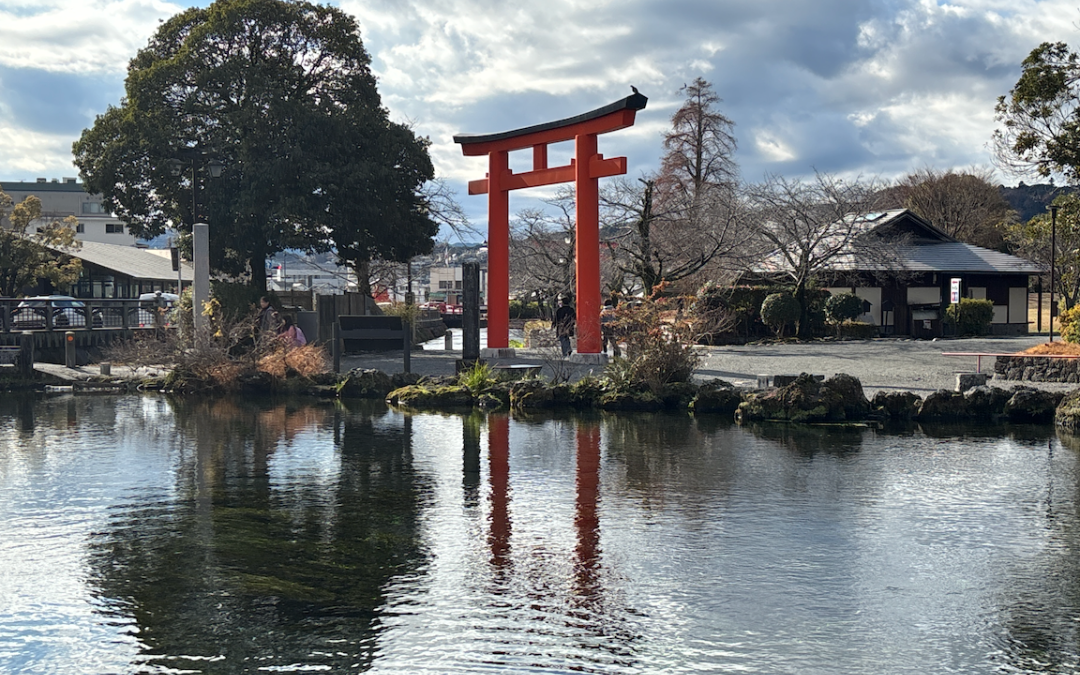
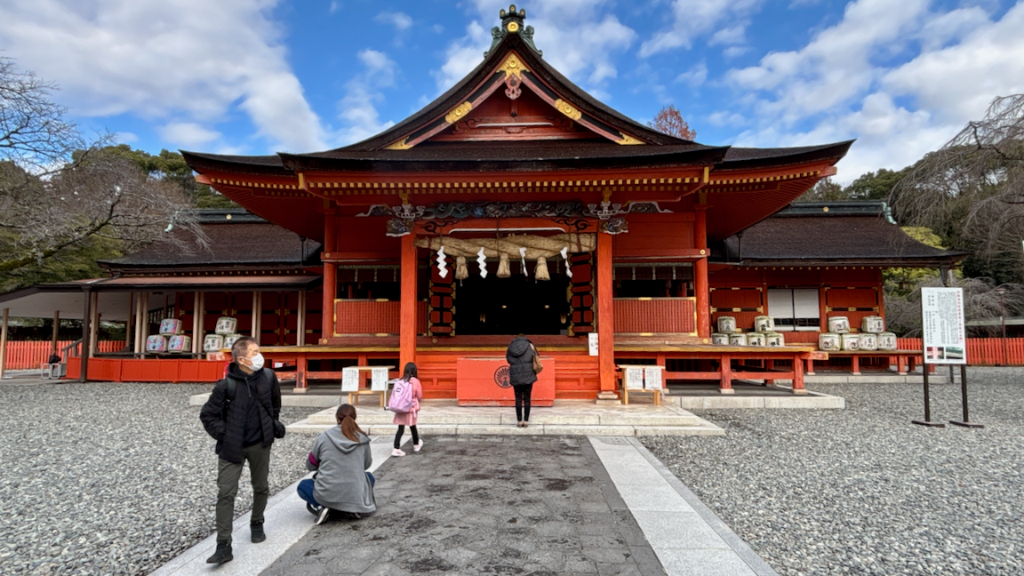
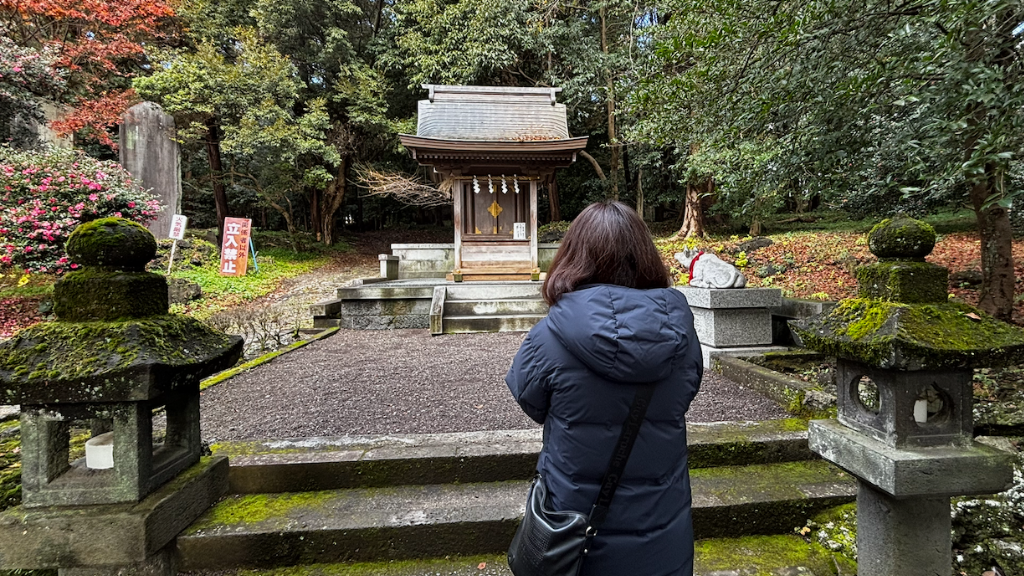
There’s something quietly profound about living near a place that has been sacred for over a thousand years. For my Japanese family, home is not just defined by streets and houses—it is shaped by the ever-present silhouette of Mount Fuji. Close to this holly mountain, you can find the Fujisan Hongū Sengen Taisha (富士山本宮浅間大社), a shrine that has watched over generations beneath the ever-present silhouette of Mount Fuji.
A Shrine That Breathes With the Mountain
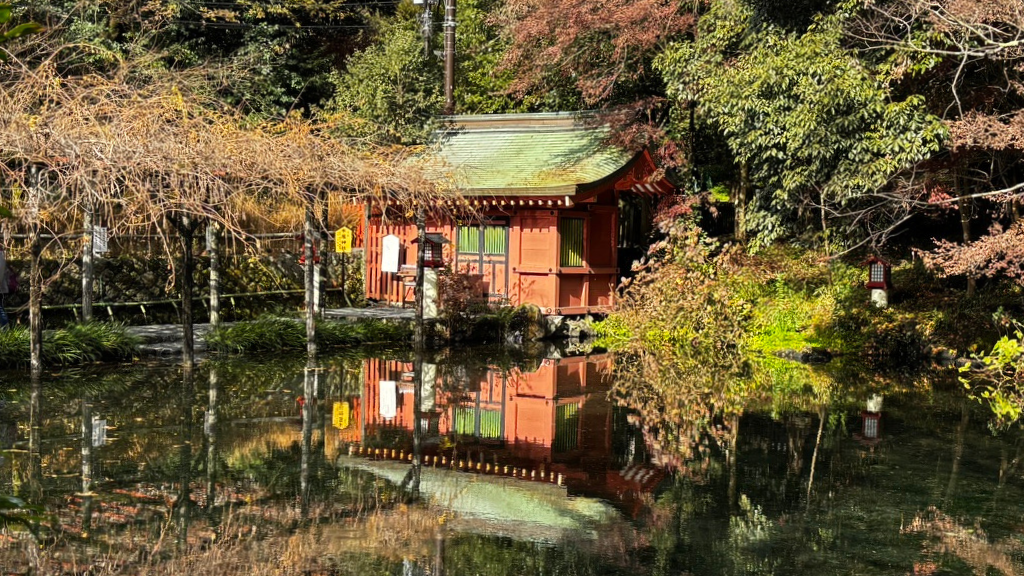
Unlike many historical sites that feel distant from everyday life, Fujisan Hongū Sengen Taisha is deeply woven into the rhythm of the community. Visits to the shrine aren’t reserved for special occasions—they happen naturally. A quiet walk, a New Year prayer, or a moment of reflection by the clear waters of Wakutama Pond all become part of daily life.
Growing up around this environment (or even just visiting often), you begin to understand that Mount Fuji is not simply scenery. It is a presence. In the Shinto worldview, it is alive—home to the kami, especially Konohanasakuya-hime, whose story embodies both beauty and fragility.
From Fear to Reverence
Historically, Mount Fuji was feared for its eruptions. The shrine itself was established as a way to calm and honor the spirit of the mountain by Tokugawa Ieyasu. Today, that history still lingers, but it has transformed into something more balanced: a deep respect rather than fear.
Living nearby, you don’t constantly think about volcanic danger. Instead, you notice the changing light on Fuji’s slopes, the seasonal festivals, and the steady flow of visitors beginning their pilgrimage. The mountain becomes both ordinary and extraordinary at the same time.
The Meaning of Everyday Ritual
One of the most striking things about having such a sacred place close to home is how spirituality becomes subtle. It’s not always grand or ceremonial.
It might be:
Pausing briefly at the shrine gate before heading into town
Washing hands at the purification basin without thinking twice
Watching the still surface of Wakutama Pond reflect the sky
These small actions echo centuries of tradition, connecting the present moment to something much older.
A Personal Connection
For my family, the shrine is not just a cultural landmark—it’s part of our identity. It’s where celebrations begin, where prayers are made, and where we return in moments of uncertainty.
Being close to Fujisan Hongū Sengen Taisha means growing up with an unspoken understanding: nature is not separate from us. It deserves respect, attention, and humility.
And perhaps that’s the most powerful lesson this place offers—not just to visitors or pilgrims, but to those lucky enough to call it part of home.
Closing Thoughts
In a fast-moving world, places like Fujisan Hongū Sengen Taisha remind us to slow down. To look up at the mountain. To listen to the quiet. To recognize that some connections—between people, place, and spirit—are meant to last far longer than a lifetime.
Living near Fuji isn’t just about proximity. It’s about perspective.
You want to know more about The Mounf Fuji, the dedicated episode of my podcast Liomugai The Way of Sword and Budo has been built for that :