Living in the Shadow of Fuji: A Personal Reflection on Fujisan Hongū Sengen Taisha
There’s something quietly profound about living near a place that has been sacred for over a thousand years.
For my Japanese family, home is not just defined by streets and houses—it is shaped by the ever-present silhouette of Mount Fuji.
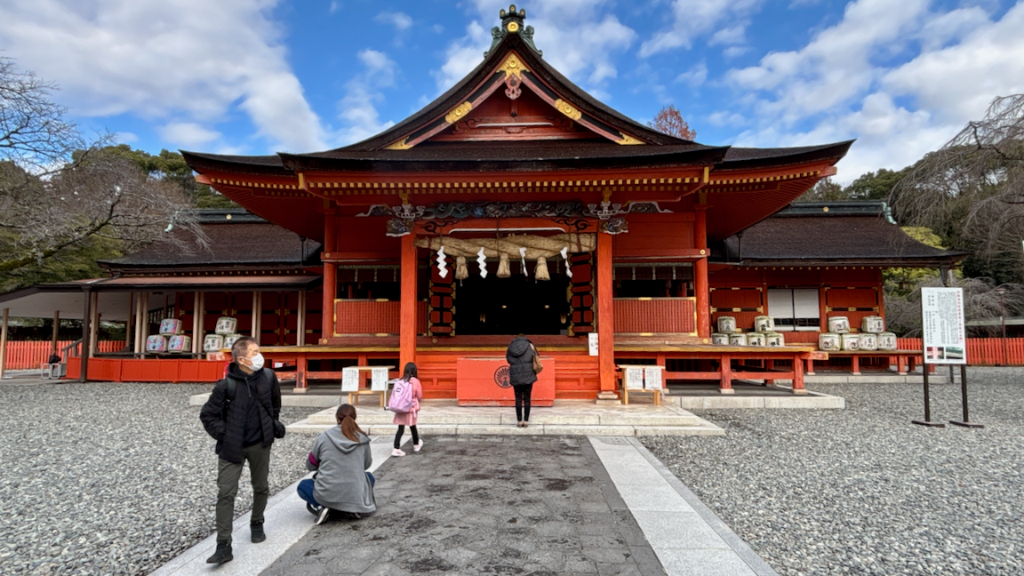
Close to this holly mountain, you can find the Fujisan Hongū Sengen Taisha (富士山本宮浅間大社), a shrine that has watched over generations beneath the ever-present silhouette of Mount Fuji.
A Shrine That Breathes With the Mountain
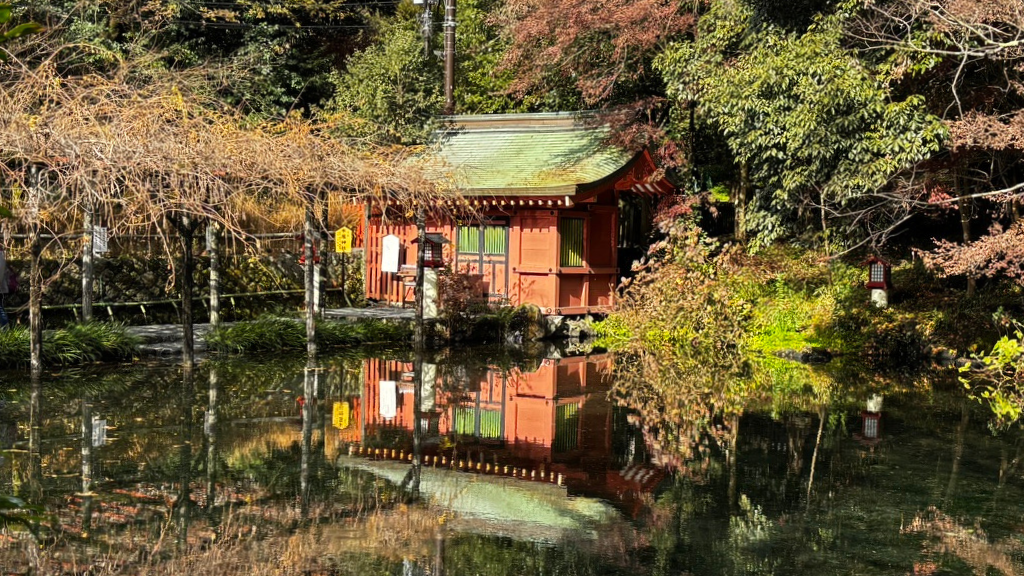
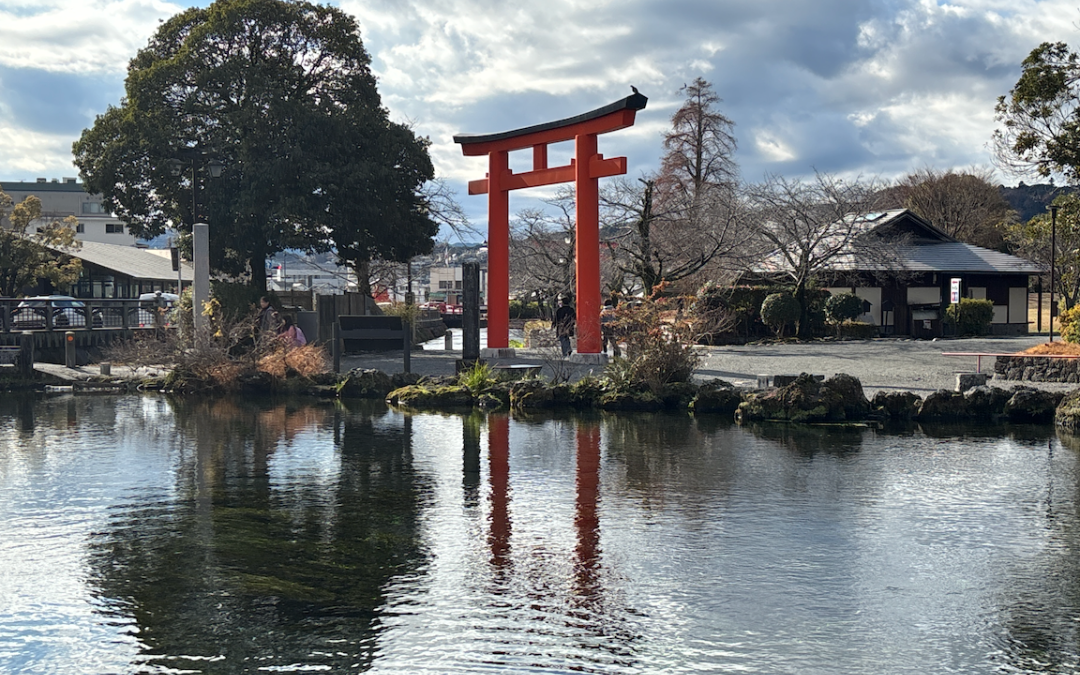
Unlike many historical sites that feel distant from everyday life, Fujisan Hongū Sengen Taisha is deeply woven into the rhythm of the community. Visits to the shrine aren’t reserved for special occasions—they happen naturally. A quiet walk, a New Year prayer, or a moment of reflection by the clear waters of Wakutama Pond all become part of daily life.
Growing up around this environment (or even just visiting often), you begin to understand that Mount Fuji is not simply scenery. It is a presence. In the Shinto worldview, it is alive—home to the kami, especially Konohanasakuya-hime, whose story embodies both beauty and fragility.
From Fear to Reverence
Historically, Mount Fuji was feared for its eruptions.
The shrine itself was established as a way to calm and honor the spirit of the mountain by Tokugawa Ieyasu.
Today, that history still lingers, but it has transformed into something more balanced: a deep respect rather than fear.
Living nearby, you don’t constantly think about volcanic danger. Instead, you notice the changing light on Fuji’s slopes, the seasonal festivals, and the steady flow of visitors beginning their pilgrimage. The mountain becomes both ordinary and extraordinary at the same time.
The Meaning of Everyday Ritual
One of the most striking things about having such a sacred place close to home is how spirituality becomes subtle. It’s not always grand or ceremonial.
It might be:
- Pausing briefly at the shrine gate before heading into town
- Washing hands at the purification basin without thinking twice
- Watching the still surface of Wakutama Pond reflect the sky
These small actions echo centuries of tradition, connecting the present moment to something much older.
A Personal Connection
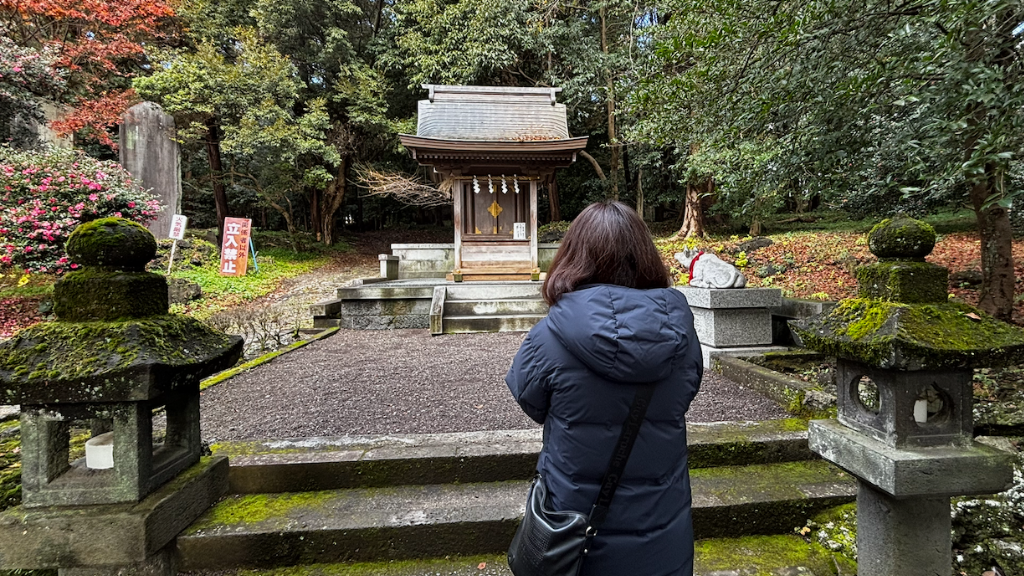
For my family, the shrine is not just a cultural landmark—it’s part of our identity. It’s where celebrations begin, where prayers are made, and where we return in moments of uncertainty.
Being close to Fujisan Hongū Sengen Taisha means growing up with an unspoken understanding: nature is not separate from us. It deserves respect, attention, and humility.
And perhaps that’s the most powerful lesson this place offers—not just to visitors or pilgrims, but to those lucky enough to call it part of home.
Closing Thoughts
In a fast-moving world, places like Fujisan Hongū Sengen Taisha remind us to slow down. To look up at the mountain. To listen to the quiet. To recognize that some connections—between people, place, and spirit—are meant to last far longer than a lifetime.
Living near Fuji isn’t just about proximity. It’s about perspective.