
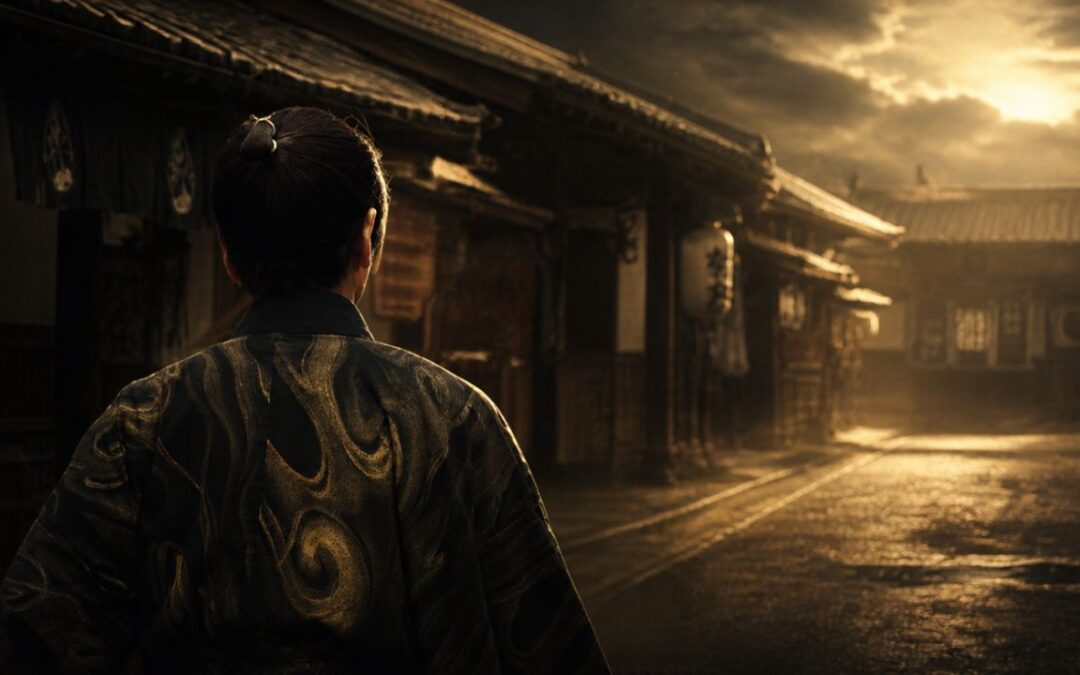
700-Year Evolution : From Heian Mercenaries to Zen Bureaucrats & The Modern Path of Budo
The popular image of the samurai is firmly etched in the global imagination: an armored warrior standing fearlessly on the battlefield, bound by an unyielding, selfless code of honor, and ready to sacrifice life itself at a lord’s command. Pop culture—from Akira Kurosawa’s cinema classics to modern television series like Shōgun—has transformed these legendary figures into timeless cultural icons.
Yet the historical reality reveals a far more complex, adaptive, and surprising narrative. Over nearly seven centuries of dominant rule (1185–1868), Japan’s warrior class underwent profound structural transformations. They began not as noble chivalric knights, but as rural mounted archers and pragmatic mercenaries motivated by land and status. Through centuries of clan wars, military dictatorships (bakufu), foreign arquebus revolutions, and 250 years of domestic peace, they remade themselves into stipended civil administrators, scholars, poets, and Zen practitioners.
In this definitive master guide—coinciding with our podcast episode on Liomugai: The Way of Sword and Budo—we trace the entire historical arc of the samurai. We examine how battlefield survival forged their initial political supremacy, how peace transformed combat technique (kenjutsu) into a vehicle for spiritual self-realization (budo and shugyo), the vital role played by female warriors (onna-bugeisha), and how legendary masters such as Miyamoto Musashi and Tsuji Gettan Sukemochi unified the sword with spiritual enlightenment.
1. Quick Reference: 700 Years of Samurai History at a Glance
To understand the trajectory of the samurai, we must appreciate how their social status, weapons, tactical doctrines, and armor evolved in lockstep with Japan’s political climate.
| Historical Period & Dates | Core Military Function | Primary Weaponry | Armor System | Social & Political Role |
|---|---|---|---|---|
| Heian Period*(794–1185)* | Mounted Archery & Local Estate Defense | Yumi (asymmetrical bow), Warabite-tō / early Tachi | Heavy Ō-yoroi (box-like, designed for horsemen) | Hired provincial mercenaries; estate guards for shōen |
| Kamakura Period*(1185–1333)* | Feudal Cavalry & Coastal Defense (Mongol Wars) | Tachi (cavalry sword), Naginata, Yumi | Ō-yoroi, emerging Dō-maru for foot combat | Landholding military vassals (gokenin) under the Bakufu |
| Muromachi & Nanboku-chō*(1336–1477)* | Clan Warfare & Emerging Infantry Mobilization | Tachi, Ōdachi, Nagamaki, early Katana | Dō-maru and Haramaki (lighter cuirasses) | Competing warlords under divided imperial courts |
| Sengoku Jidai*(1477–1600)* | Mass Infantry & Combined-Arms Gunpowder Warfare | Tanegashima (matchlocks), Yari (long spears), Katana | Tosei-gusoku (bullet-resistant, plate armor) | Regional warlords (daimyō) fighting for territorial unification |
| **Pax Tokugawa (Edo)(1600–1868) | Peacetime Civil Administration, Law & Order | Daishō (Katana + Wakizashi as status badge), Bokken | Ceremonial silk garments (Kamishimo), decorative armor | Hereditary government bureaucrats, judges, magistrates, scholars |
| Meiji Restoration & Beyond*(1868–Present)* | Caste Dissolved / Transition to Modern National Military | Western bolt-action rifles, Shin-guntō, Shinai, Iaitō | Western military uniforms; traditional martial keikogi & hakama | Reorganized as Shizoku; legacy preserved in modern Budo |
2. The Origins: Mercenary Horsemen of the Heian Period (794–1185)
Contrary to modern romanticism, the samurai order did not begin as an aristocratic chivalric brotherhood. Their emergence was the direct consequence of a structural failure in the early Japanese state’s imperial defense model.
The Breakdown of National Conscription
During the 7th and 8th centuries (Nara Period), the imperial court operated under the Chinese-inspired Ritsuryō legal system. This system mandated universal peasant conscription: all free male commoners between the ages of 20 and 59 were liable for military draft service in provincial regiments (gundan).
Universal conscription proved disastrous for multiple reasons:
- Ineffective Peasant Infantry: Drafted rice farmers were given only minimal training and lacked motivation. When deployed to northern Honshu to fight the Emishi—an indigenous population of skilled, highly mobile mounted raiders—the conscripts suffered repeated defeats.
- Economic Devastation: Withdrawing agricultural laborers from their fields for years caused rice production to collapse and impoverished rural villages. Conscripts regularly deserted.
- Logistical Burden: The central government struggled to equip, feed, and organize provincial militia units across wide territories.
Recognizing these inefficiencies, the imperial court issued a historic edict in 792 AD, formally abolishing universal peasant conscription across nearly all provinces (retaining units only in strategic frontier zones like Mutsu, Dewa, and northern Kyushu).
The Privatization of Violence and the Rise of the Shōen
To fill the security vacuum, the imperial court turned to a market-based solution: recruiting wealthy, privately trained provincial elites. Operating a horse and mastering mounted archery (kyūjutsu) required years of continuous practice and immense private wealth. Rather than training peasant levies, the court relied on regional magnates who funded their own martial retinues.
Around the same era, the imperial government granted private property rights to individuals who cleared and reclaimed wilderness for agricultural cultivation. To protect these lands from excessive taxation and provincial governors, wealthy landowners commended their estates to powerful aristocratic houses or Buddhist temples in Kyoto, creating private, tax-exempt agricultural estates called shōen.
These estate holders hired professional fighting men to:
- Guard estate boundaries against neighboring rivals.
- Enforce local law and police trade routes.
- Collect rice revenues and suppress banditry.
The Etymology of “Saburau”
The term samurai originates from the classical Japanese verb saburau (侍ふ), meaning “to serve” or “to attend upon a noble master.” During the Heian period, these fighters were commonly designated as bushi (武士, martial gentlemen), tsuwamono (men of arms), or musha (warriors).
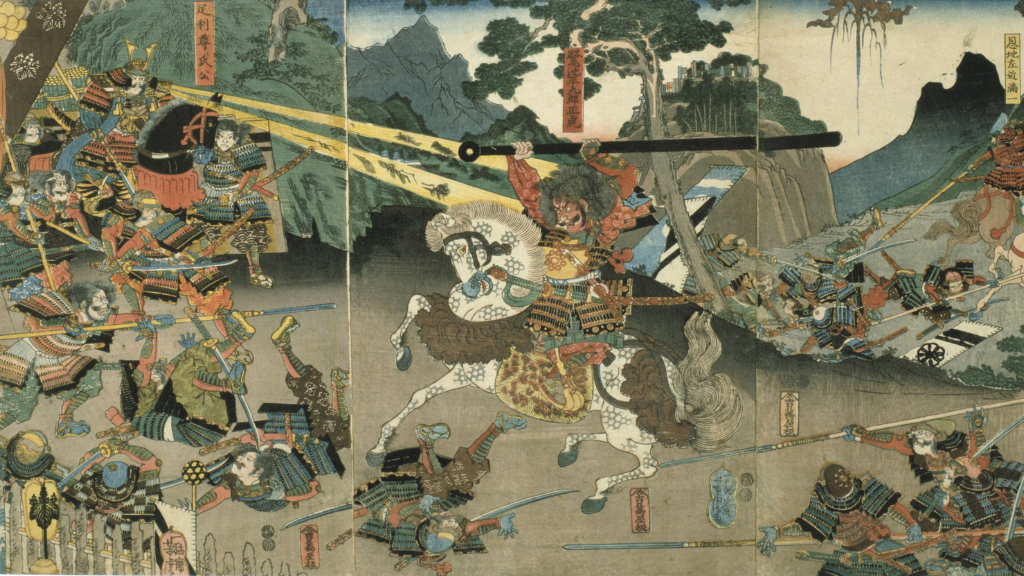
Far from being bound by rigid chivalric ethics, these early warriors were pragmatic, contractual mercenaries. They served whichever aristocratic house offered the greatest rewards in land, titles, and tax exemptions. To bolster their social prestige, leading warrior families intermarried with offshoots of the imperial court—most notably the Seiwa Genji (Minamoto clan) and the Kanmu Taira (Taira clan)—establishing powerful, armed dynastic networks across the provinces.
3. The Advent of Warrior Rule: Kamakura to the Sengoku Chaos (1185–1600)
For centuries, warrior clans served as instruments of the civilian imperial nobility in Kyoto. By the late 12th century, however, the samurai realized that political authority rightfully belonged to those who held military force.
Minamoto no Yoritomo and the First Bakufu
The bitter rivalry between the Taira and Minamoto clans culminated in the Gempei War (1180–1185). Following the decisive naval victory at the Battle of Dan-no-ura in 1185, Minamoto no Yoritomo took control of Japan.
Rather than overthrowing the emperor in Kyoto, Yoritomo established a parallel military government—the Kamakura Shogunate (Bakufu)—headquartered in the eastern coastal town of Kamakura. In 1192, Yoritomo secured the historic commission of Sei-i Taishōgun (“Barbarian-Subduing Generalissimo”).
Historians frequently characterize this first shogunate as a “warriors’ union”:
- The Shogun served as the exclusive intermediary between the imperial court and provincial fighters.
- Vassals (gokenin) pledged personal oaths of military service in exchange for official guarantees of their ancestral landholdings (honryō).
- Yoritomo established the offices of shugo (military governors responsible for regional security and vassal rosters) and jitō (estate stewards who managed land rents and judicial enforcement).
Over time, gokenin systematically chipped away at the authority of civilian court nobles. When land disputes arose, the Kamakura administration favored compromise settlements that consistently expanded warrior jurisdiction at the expense of traditional Kyoto aristocrats.
The Mongol Invasions (1274 & 1281) and Kamakura’s Downfall
The Kamakura Shogunate faced its greatest existential test during the twin Mongol invasions launched by Kublai Khan. In both 1274 and 1281, massive Yuan-Korean invasion fleets assaulted Hakata Bay in Kyushu. Samurai fought fiercely in individual hand-to-hand combat and mounted archery skirmishes before catastrophic typhoons (celebrated as kamikaze, or “divine winds”) wrecked the Mongol fleets.
While militarily successful, the defense proved politically fatal for the Shogunate:
- Traditional samurai warfare operated on a spoils system: victory yielded enemy lands, which the Shogun distributed to victorious vassals.
- Defending against a foreign invasion yielded zero conquered territories.
- The Shogunate could not adequately compensate thousands of impoverished samurai who had bankrupted themselves building coastal fortifications and maintaining armies.
Discontent boiled over. In 1333, Emperor Go-Daigo initiated the short-lived Kenmu Restoration, rallying disgruntled samurai to overthrow Kamakura. However, Go-Daigo’s court-centric policies alienated his warrior allies. In 1336, his foremost general, Ashikaga Takauji, seized power, forced Go-Daigo to flee south, and founded the Ashikaga (Muromachi) Shogunate in Kyoto, inaugurating the Nanboku-chō era of rival Northern and Southern imperial courts (1336–1392).
Sengoku Jidai: Arquebuses, Ashigaru, and Tactical Revolution
By 1467, disputes over shogunal succession triggered the devastating Ōnin War, reducing Kyoto to ashes and shattering central authority. Japan entered the Sengoku Jidai (“Age of Warring States”, 1477–1600), defined by the concept of gekokujō (下剋上)—”the low overthrowing the high.” Lineage mattered far less than military competence; regional warlords (sengoku daimyō) carved out autonomous realms.
In 1543, Portuguese merchants landed at Tanegashima island, introducing European matchlock muskets (arquebuses). Japanese swordsmiths immediately decoded and mass-produced these firearms, termed tanegashima.
This technological leap revolutionized battlefield mechanics:
- Infantry Supremacy: Noble horse archers were supplanted by massive formations of peasant foot soldiers (ashigaru) operating in coordinated ranks with matchlocks and 15-foot spears (yari).
- Armor Modernization: Traditional boxy ō-yoroi was replaced by tosei-gusoku (“modern armor”)—streamlined, bullet-resistant plate cuirasses with angled surfaces engineered to deflect musket balls.
- The Rise of the Katana: The long cavalry sword (tachi), which hung edge-downward from a belt cord, proved unwieldy for fast-moving infantry skirmishes. It was replaced by the shorter, lighter katana, worn thrust through the sash (obi) with the cutting edge facing upward. This allowed a warrior to draw the blade and deliver a lethal strike in a single instantaneous motion.
Through ruthless tactical innovation, three successive unifiers restored national order: Oda Nobunaga (who deployed massed arquebus volleys at the 1575 Battle of Nagashino), Toyotomi Hideyoshi (who initiated the Great Sword Hunt of 1588 to disarm the peasantry and enforce social rigidity), and Tokugawa Ieyasu.
4. Pax Tokugawa: Warriors Transformed into Bureaucrats (1600–1868)
In October 1600, Tokugawa Ieyasu defeated his rivals at the monumental Battle of Sekigahara, involving over 160,000 combatants. In 1603, Ieyasu was appointed Shogun, establishing the Tokugawa Shogunate in Edo (modern Tokyo). Following the 1615 Siege of Osaka, Japan entered an unprecedented 250-year era of absolute domestic peace known as Pax Tokugawa.
The Freezing of Social Castes (Shinōkōshō)
To eliminate the threat of future civil wars, the Tokugawa Shogunate codified a rigid, hereditary four-tier class structure based on Neo-Confucian doctrine (Shinōkōshō):
- Samurai (Shi): The ruling elite, moral leaders, and administrators.
- Peasants (Nō): Revered as primary producers of rice and food.
- Artisans (Kō): Makers of physical goods, tools, and crafts.
- Merchants (Shō): Placed at the social bottom because they merely traded goods made by others.
Samurai were permanently separated from rural agriculture. They were ordered to leave their villages and take up residence within fortified garrison castle towns (jōkamachi). Stripped of active military duties, the samurai transformed into stipended civil servants—serving as court scribes, judicial magistrates, tax collectors, accountants, municipal police, and castle gatekeepers.
Internal Stratification of the Samurai Class
The samurai order was far from homogeneous; it was divided into a complex hierarchy of ranks:
- Daimyō: Feudal lords controlling domains yielding at least 10,000 koku of rice.
- Hatamoto: Direct vassals of the Shogun entitled to personal audience with him.
- Gokenin: Lower-ranking direct shogunal retainers without audience rights.
- Baishin: Retainers of retainers (rear-vassals serving domain daimyō).
- Kachi & Ashigaru: Foot soldiers occupying the lower thresholds of warrior status.
The Symbolism of the Daishō
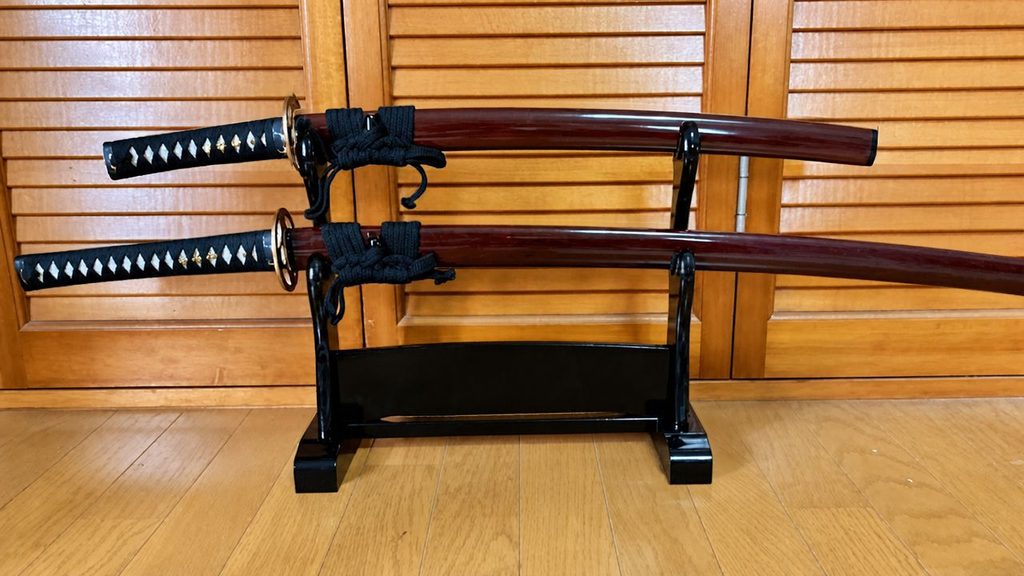
By shogunal decree, the public bearing of the daishō (the paired long katana and short wakizashi) was legally restricted to the samurai caste.
In a world devoid of battlefields, the sword ceased to be a tool for daily survival; it became the visible embodiment of elite status, ethical responsibility, and warrior lineage. Samurai retained the theoretical legal right to strike down disrespectful commoners (kiri-sute gomen), though strict legal checks and severe penalties for unjustified violence made its exercise exceptionally rare.
5. Onna-Bugeisha: Female Warriors of the Samurai Class
Popular representations of samurai history frequently erase the substantial military, economic, and administrative power exercised by women of the warrior class (onna-bugeisha and onna-musha).
In feudal Japan, the defense of the household, clan lineage, and home castle fell squarely upon samurai women when their husbands and fathers were summoned to distant campaigns.
Combat Training and Weaponry
Samurai daughters underwent rigorous physical and technical conditioning:
- The Naginata: The curved polearm blade became the quintessential weapon of samurai women. Its mechanical leverage allowed a defender to neutralize heavier, armor-clad male attackers at a distance through sweeping and cutting strikes.
- Tantōjutsu and the Kaiken: Women carried a concealed double-edged dagger called a kaiken inside their kimono sash. They were trained in tantōjutsu for close-quarters grappling and defense within home corridors.
- Jigai (Ritual Suicide): Just as male samurai were bound to commit seppuku to avoid capture and dishonor, samurai women were trained in jigai—using the kaiken to cut the carotid artery after tying their knees together with a silk cord to preserve a dignified posture in death.
Governance and Household Management (Okugatasama)
Within castle towns and rural manors, high-ranking samurai wives were known as okugatasama (“she who remains within”). Far from passive recluses, they functioned effectively as chief operating officers:
- Managing estate finances, rice reserves, and staff of 40 to 50 domestic retainers.
- Supervised the rigorous classical education and martial instruction of heirs.
- Orchestrated political marriages and clan diplomacy.
Iconic Historical Figures
- Tomoe Gozen (c. 1154–1229): Renowned Minamoto general of the Genpei War. The Tale of the Heike describes her as an elite archer and fearless swordswoman “ready to confront a demon or a god.” At the Battle of Awazu (1184), she charged through enemy cavalry, unhorsed enemy champion Uchida Ieyoshi, and severed his head.
- Nakano Takeko (1847–1868): A brilliant master of the naginata. During the Boshin War at the Battle of Aizu, Takeko formed and commanded an independent corps of twenty female fighters known as the Jōshitai (Women’s Army). She fought heroically against modernized imperial conscript troops before sustaining a fatal bullet wound.
6. The Philosophy of Bushido: Zen, Neo-Confucianism & The Path of Budo
In an era of total peace, swordsmen confronted an existential crisis: What is the spiritual purpose of cultivating lethal martial skills when there is no war to fight?
The answer was the birth of Budo (武道, the Martial Way) and Shugyō (修行, austere spiritual self-cultivation). Combat technique (kenjutsu) was turned inward, evolving into a vehicle for overcoming ego, mastering fear, and cultivating moral integrity.
The Philosophical Trinity of Bushido
The formalization of Bushido (“Way of the Warrior”) during the Edo period brought together three distinct philosophical traditions:
- Neo-Confucianism: Provided civic ethics, stressing filial piety, unswerving loyalty (chūgi), and the core doctrine of Bunbu Ryōdō (文武両道)—”The Dual Way of Pen and Sword.” True leadership required an equal balance between military power (bu) and cultural refinement (bun).
- Shinto: Instilled deep veneration for ancestral lineage, ritual purity, and sacred duty to the land.
- Zen Buddhism: Provided the psychological foundation for combat and daily living. Through seated meditation (zazen) and riddle meditation (kōan), Zen trained the swordsman to transcend dualistic concepts of life versus death, victory versus defeat.
The 7 Virtues of Bushido
- 義 (Gi) — Righteousness, Moral Rectitude, and Fair Judgment
- 勇 (Yū) — Heroic Courage and Fearlessness
- 仁 (Jin) — Benevolence, Compassion, and Mercy
- 礼 (Rei) — Respect, Politeness, and Etiquette
- 誠 (Makoto) — Absolute Honesty, Sincerity, and Consistency
- 名誉 (Meiyo) — Personal Honor and Dignity
- 忠義 (Chūgi) — Unshakable Loyalty and Devotion to Duty
7. Legendary Masters: Miyamoto Musashi and Tsuji Gettan Sukemochi
Two historic swordsmen embody the evolutionary journey from battlefield survivor to enlightened Zen philosopher.
Miyamoto Musashi (c. 1584–1645): The Sword Saint (Kensei)
Musashi stands as Japan’s most celebrated duelist, remaining undefeated across more than 60 life-or-death single combats.
- Legendary Duels: Defeated the masters of the Yoshioka sword school in Kyoto. In 1612, he fought his most famous duel against Sasaki Kojirō on Ganryū Island, arriving late and defeating Kojirō’s long nodachi with a wooden practice sword (bokken) carved from an oar during his boat crossing.
- Niten Ichi-ryū: Developed the renowned “Two Heavens as One” style, teaching the simultaneous use of the katana and wakizashi.
- Art and Philosophy: In his final years, Musashi retreated to Reigandō cave in Kumamoto to live as an ascetic. There, he authored his immortal treatise on combat strategy, The Book of Five Rings (Go Rin No Sho), and his 21 aphorisms of personal discipline, the Dokkōdō (“The Path of Aloneness”). Musashi was also a revered master of sumi-e ink painting, sculpture, and calligraphy, teaching that true mastery in strategy allows one to perceive the way in all arts.
Tsuji Gettan Sukemochi (1648–1728) & Mugai-ryū
Born during the early Edo peace, Tsuji Gettan mastered Sekiguchi-ryū and Yamaguchi-ryū swordsmanship. However, he found technical perfection spiritually empty without philosophical realization.
- Zen Awakening: Gettan entered the Rinzai Zen temple of monk Sekitō Kisen. Through years of intense zazen, he attained satori (enlightenment).
- Founding Mugai-ryū (1693): Translating to “That which exists beyond emptiness,” Mugai-ryū integrated iaijutsu (the art of drawing and cutting in a single motion) directly with Zen realization.
- The Sword as a Moving Kōan: For Gettan, martial kata were physical meditations. The goal was to manifest:
- 無心 (Mushin): “No-mind”—spontaneous, fluid action unhindered by conscious ego or fear.
- 不動心 (Fudōshin): “Immovable mind”—unshakeable inner calm amidst conflict.
- 平常心 (Heijōshin): “Everyday mind”—bringing continuous martial awareness and tranquility into ordinary life.
8. Culture & Aesthetics: The Refined Warrior (Bunbu Ryōdō)
The samurai’s identity was defined just as much by aesthetic refinement as by physical martial skill. Peacetime warriors became Japan’s foremost patrons and practitioners of the fine arts:
- Tea Ceremony (Chadō): Developed into a spiritual sanctuary by tea master Sen no Rikyū. In the rustic chashitsu (tea room), all social distinctions were stripped away. Warriors were required to remove their swords before crawling through a deliberately small entrance (nijiriguchi), symbolizing humility and equality.
- Noh Theater: Patronized by the Ashikaga and Tokugawa Shoguns. Noh’s slow, ghostly dramas explored karmic retribution, tragic battles, and Buddhist redemption, mirroring the inner emotional world of the warrior class.
- Death Poems (Jisei no ku): Confronting mortality was the foundational requirement of the samurai. Before marching into fatal battles or executing seppuku, warriors composed short waka poems meditating on the transience of life (mono no aware), often comparing existence to dew drops or falling cherry blossoms.
- Calligraphy and Gardens: Precision with the ink brush mirrored precision with the blade; dry landscape gardens (karesansui) served as contemplative spaces for Zen meditation.
9. The Meiji Restoration & The Dissolution of the Samurai (1853–1877)
The samurai order’s 700-year dominance met a swift and dramatic end in the mid-19th century under the pressure of Western imperialism.
The Black Ships and Shogunal Collapse
In 1853, American Commodore Matthew C. Perry sailed four steam-powered warships (“Black Ships”) into Edo Bay, forcing Tokugawa Japan to end its two-century policy of national isolation (sakoku).
The Shogunate’s inability to resist Western military demands sparked outrage among samurai reformers from southern domains (notably Satsuma and Chōshū), who rallied under the slogan Sonnō Jōi (“Revere the Emperor, Expel the Barbarian”). In 1867, the 15th and final Shogun, Tokugawa Yoshinobu, resigned his office. Following the brief Boshin War (1868–1869), direct imperial rule was restored under Emperor Meiji.
Dismantling Feudal Privilege
Determined to modernize rapidly and avoid colonization, the Meiji government dismantled the samurai class through targeted legislation:
- 1869 (Reorganization): Feudal lords were merged into the kazoku nobility, while all other samurai were reclassified as shizoku (former warrior families), stripping them of feudal rank.
- 1871 (Abolition of Domains): Feudal han were replaced by modern prefectures; regional daimyō relinquished land titles to the central government.
- 1873 (Universal Conscription): The new imperial army was staffed by drafted commoners trained in modern Western firearms and artillery, ending the samurai’s centuries-old monopoly on military force.
- 1876 (The Haitorei Edict): The public carrying of swords was strictly outlawed across Japan.
- Chitsuroku Shobun: Hereditary samurai rice stipends were permanently commuted into one-time, low-interest government bonds, plunging many lower-tier samurai into severe poverty.
The Last Stand: The Satsuma Rebellion (1877)
Deep resentment over the eradication of their social identity led to several armed uprisings. The climax arrived with the Satsuma Rebellion of 1877, led by former government leader Saigō Takamori. Saigō’s traditionalist army of 30,000 samurai fought fiercely with swords and muskets against a 300,000-strong imperial army equipped with modern artillery. Saigō’s defeat and ritual suicide (seppuku) at Shiroyama marked the final military stand of the samurai order.
10. Modern Legacy: From Combat to Budo in Contemporary Life
The legal caste was abolished, but the samurai’s cultural DNA was not extinguished. Instead, it was systematically transformed into Japan’s modern educational and civic framework.
Former samurai utilized their deep administrative and literacy skills to lead modern Japan’s new civil service, banking systems, schools, and industries. Concurrently, martial techniques were distilled into modern, safe educational disciplines:
- Kenjutsu evolved into Kendo (the Way of the Sword) and Iaido (the Way of Drawing the Sword).
- Jujutsu evolved into Judo and Aikido.
- Classical koryū traditions—including Mugai-ryū—survived intact through unbroken lineages of master-student instruction.
Today, practitioners across the globe study budo not to prepare for mortal combat, but to cultivate presence, emotional resilience, sharp focus, and ethical clarity in an increasingly chaotic modern world.
The sword remains what it always was at its highest philosophical peak: a mirror reflecting the self.
Tune in to the Liomugai Podcast
Deepen your understanding of classical Japanese swordsmanship and Zen practice with our podcast:
🎙️ Liomugai: The Way of Sword and Budo
Available on Apple Podcasts, Spotify, YouTube, and all major audio networks.
In our latest episode, we explore the historical paradox of peacetime swordsmanship, the physical mechanics of Mugai-ryū kata as moving Zen kōans, and actionable principles for applying budo mindfulness to contemporary everyday life.
© Liomugai — The Way of Sword and Budo (liomugai.com)