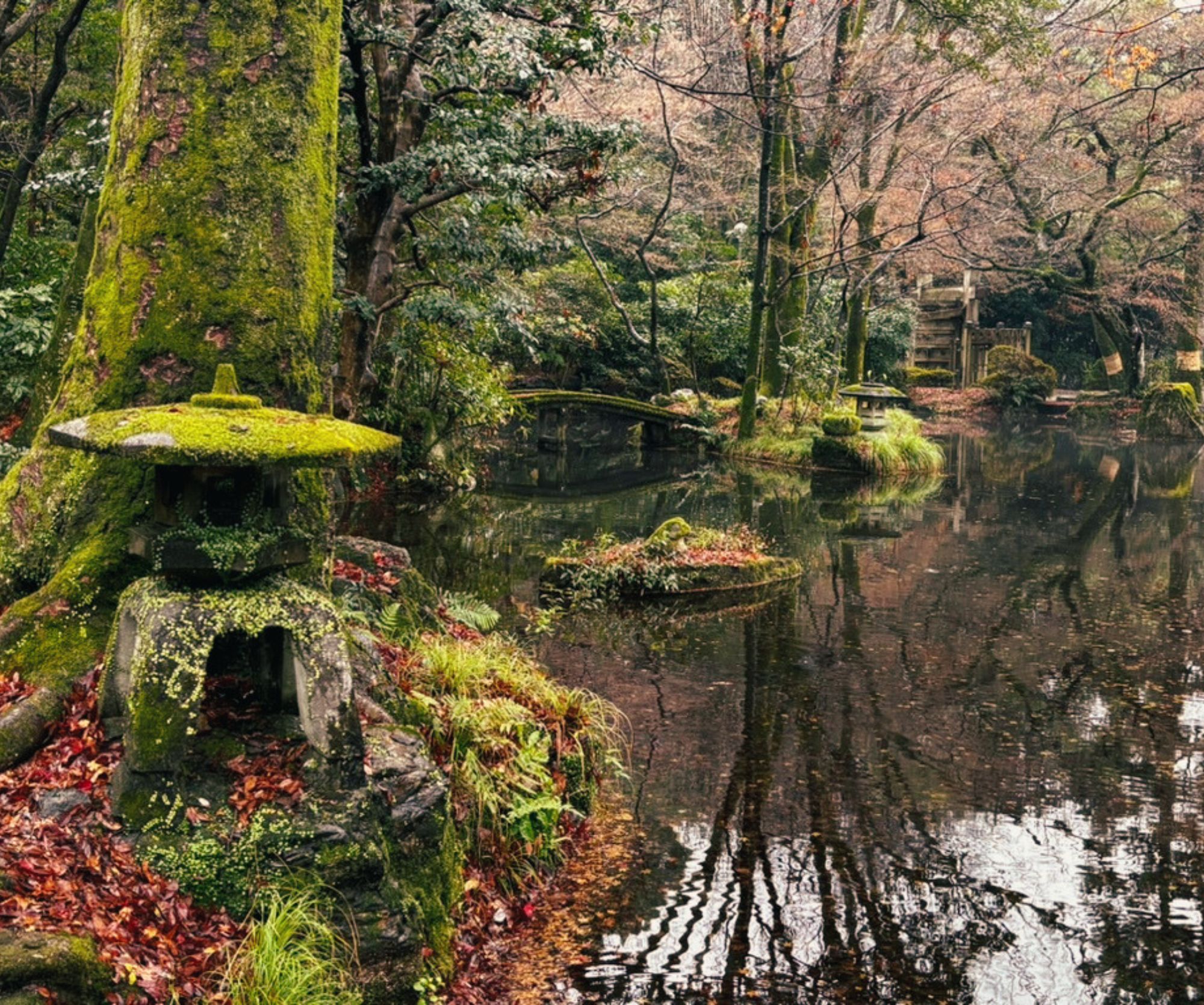
MUGAI-RYU KATAS
THE KATaS of the ‘NOTHING OUTSIDE’
Mugai-ryū (無外流) is not merely a technical discipline; it is a martial heritage founded in 1693 by Tsuji Gettan Sukemochi.
Deeply rooted in the philosophy of Zen Buddhism, this style is distinguished by an aesthetic of sobriety and formidable efficiency. Unlike other schools whose movements may be broad or decorative, Mugai-ryū advocates shizuka (calm) and the elimination of all unnecessary motion.
The Philosophy of “Nothing Outside”
The very name of the school, drawn from a Zen poem, means: “There is nothing outside the truth.”
This search for truth is expressed in the kata through:
Purity of movement: each cut is direct, aiming for economy of energy.
Martial realism: techniques are designed for real combat situations, whether seated in seiza or moving.
Unity of body and mind: practice seeks to reach a state of emptiness in which the sword becomes a natural extension of intention.
Kata as You Progress
Training is structured into several series of kata that guide the practitioner from grounded stability toward freedom of standing movement. From fundamental sets such as Goyō to the dynamic forms of Hashirigakari, each kata is a lesson in managing distance (maai), rhythm (hyōshi), and remaining awareness (zanshin).
The foundational series all begin with “Go” (五) meaning five, as each of these sets contains five kata.
Discover below the detailed list of forms that make up the heart of our practice, including their deeper meaning and martial application.
1. Goyō (五用) – Seated Basic Forms
| Kanji | Pronunciation | English Meaning | Purpose / Description |
|---|---|---|---|
| 真 | Shin | Truth | Direct frontal response from seiza. |
| 連 | Ren | Succession | Two successive cuts against a frontal opponent. |
| 左 | Sa | Left | Parrying and cutting an opponent to the left. |
| 右 | Yū | Right | Parrying and cutting an opponent to the right. |
| 捨 | Sha | Discard / Sacrifice | A counter-attack allowing the enemy to draw close. |
2. Goka (五箇) – Intermediate Seated Forms
| Kanji | Pronunciation | English Meaning | Purpose / Description |
|---|---|---|---|
| 水月 | Suigetsu | Water Moon | A precise thrust to the solar plexus. |
| 陰中陽 | Inchūyō | Yang within Yin | Transitioning from a passive state to a sudden strike. |
| 陽中陰 | Yōchūin | Yin within Yang | A feinted attack followed by a true counter. |
| 響返し | Hibikigaeshi | Echoing Response | Using the opponent's momentum against them. |
| 破図 | Hazū | Breaking the Plan | Pre-empting the opponent's draw (Sen-no-sen). |
3. Goō (五応) – Standing Forms
| Kanji | Pronunciation | English Meaning | Purpose / Description |
|---|---|---|---|
| 胸尽くし | Munazukushi | Chest Thrust | A direct thrust to the chest while advancing. |
| 円要 | Enyō | Circular Pivot | Using circular motion to strike while turning. |
| 両車 | Ryōguruma | Two Wheels | Handling two opponents (front and back). |
| 野送り | Noguri | Field Farewell | A wide, sweeping cut in an open field. |
| 玉光 | Gyokkō | Jewel Light | A brilliant, blindingly fast surprise strike. |
4. Hashirigakari (走り懸り) – Dynamic Movement Forms
| Kanji | Pronunciation | English Meaning | Purpose / Description |
|---|---|---|---|
| 前腰 | Maegoshi | Front Hip | Attacking while moving forward rapidly. |
| 夢想返し | Musōgaeshi | Vision Return | A sudden 180-degree turn to counter a rear attack. |
| 廻り掛 | Mawarigakari | Turning Attack | A diagonal pivot and strike in motion. |
| 右の敵 | U no Teki | Enemy on the Right | Engaging a threat on the right flank while running. |
| 四方崩し | Shihō-kuzushi | 4-Direction Break | Neutralizing multiple attackers in sequence. |
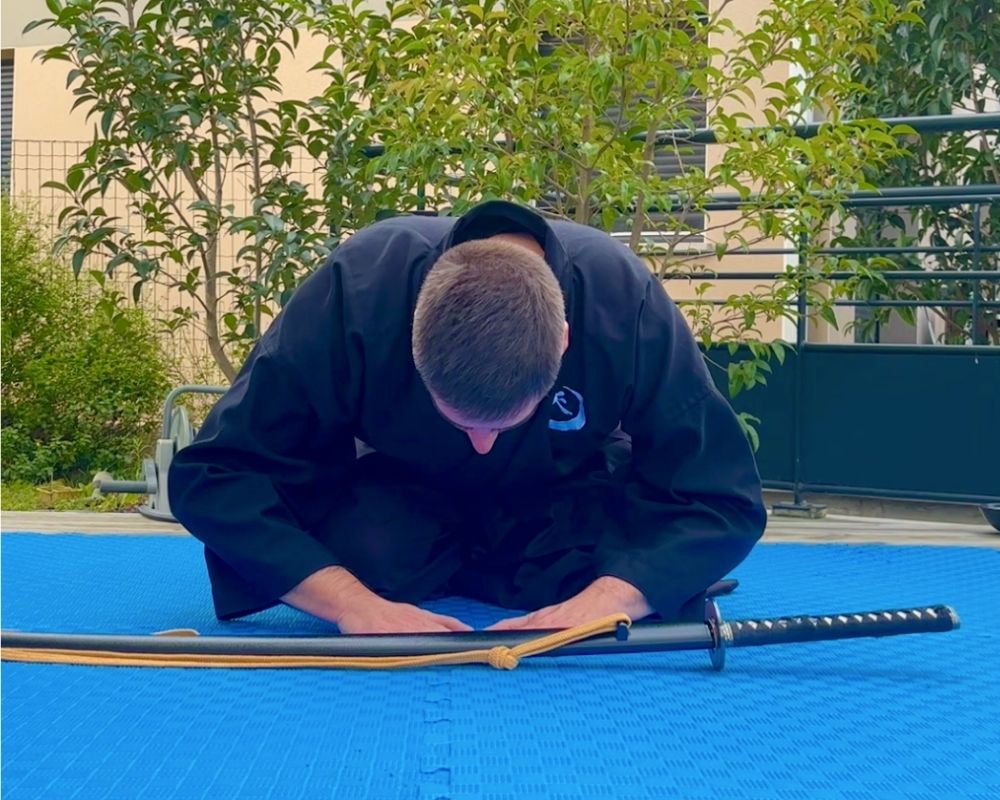
Always Bow before a kata
my Instagram
Follow my adventures on Instagram!
From Japan to daily training updates, stay tuned for the latest..