
IAIDO
The Art of Sword Draw
Iaido (居合道) is the traditional Japanese martial art of drawing the katana, striking an opponent, and returning the blade to its scabbard (saya) in one fluid, seamless motion. Unlike Kendo, which focuses on sparring, Iaido is primarily a solo practice centered on precision, mental focus, and the cultivation of a calm mind.
The Essence of Practice
In Iaido, we don’t just learn to fight; we learn to control ourselves. Each Kata (form) represents a specific combat scenario, but the true challenge is internal.
The practice is built upon four main components:
- Nukitsuke: The initial draw and strike.
- Kiritsuke: The decisive finishing cut.
- Chiburi: The symbolic clearing of blood from the blade.
Noto: The controlled returning of the sword to the scabbard.
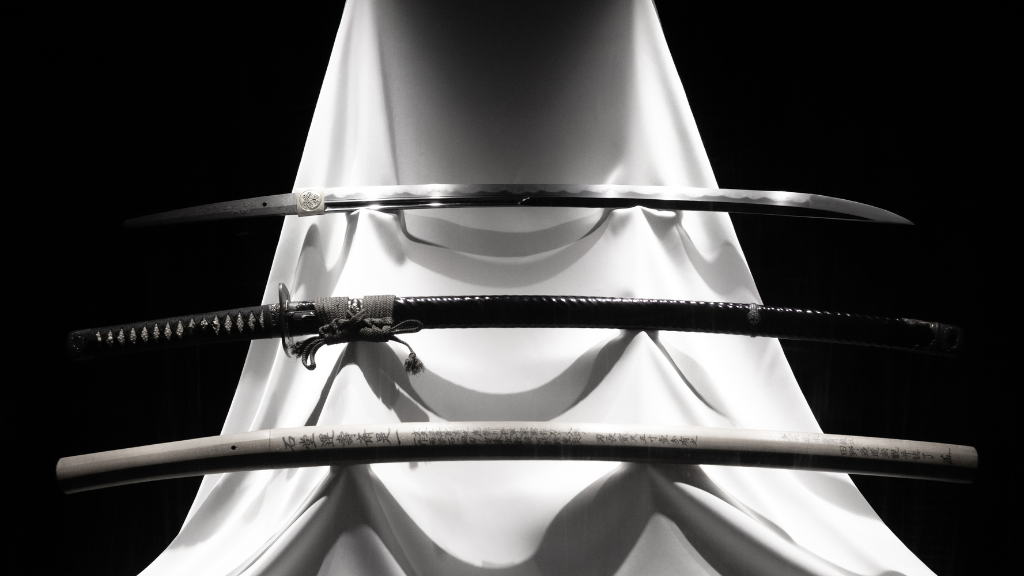
Muso Shinden-ryu: The Dream Vision School
Among the many traditional schools, Muso Shinden-ryu stands as one of the most influential and respected lineages in modern Budo. It is known for its elegance, its deep focus on sincerity (Sei), and its sophisticated technical curriculum.
The Historical Roots
While the school as we know it today was formalized in the 20th century, its roots date back to the late 16th century. It descends from the teachings of Hayashizaki Jinsuke Shigenobu, the legendary founder of Muso Jikiden Eishin-ryu. For centuries, these techniques were passed down within the Tosa domain as a “secret” art (Otome-waza).
The Founder : Nakyama Hakudo (1872-1958)
The modern form of Muso Shinden-ryu was established by Nakayama Hakudo, one of the greatest martial artists of the 20th century. After years of intensive study in various lineages of Eishin-ryu, Hakudo Sensei refined and reorganized the techniques.
In 1932, he gave the school its current name. The word “Muso” (夢想) refers to a “vision in a dream,” paying homage to the divine inspiration the original founder, Hayashizaki, is said to have received.
Specificities and Structure
Muso Shinden-ryu is characterized by its refined, vertical movements and its emphasis on “Kigurai”—a sense of dignity and inner strength. The curriculum is divided into three levels of progression:
- Shoden (Omori-ryu): The basic level, practiced mostly from a kneeling position (Seiza). It focuses on fundamental etiquette and correct body mechanics.
- Chuden (Hasegawa Eishin-ryu): The middle level, practiced from the Tatehiza (half-kneeling) position. These techniques are more complex and dynamic.
- Okuden (Shinden-ryu): The “secret” or advanced level. These are the deepest techniques of the school, focusing on explosive speed and absolute mastery of the sword.
The Philosophy of ‘Saya No Uchi’
The ultimate goal of Muso Shinden-ryu is not to kill, but to resolve conflict without ever drawing the blade. This concept, known as Saya-no-uchi (victory within the scabbard), represents the highest level of mastery: overcoming an opponent through sheer presence and spiritual peace.
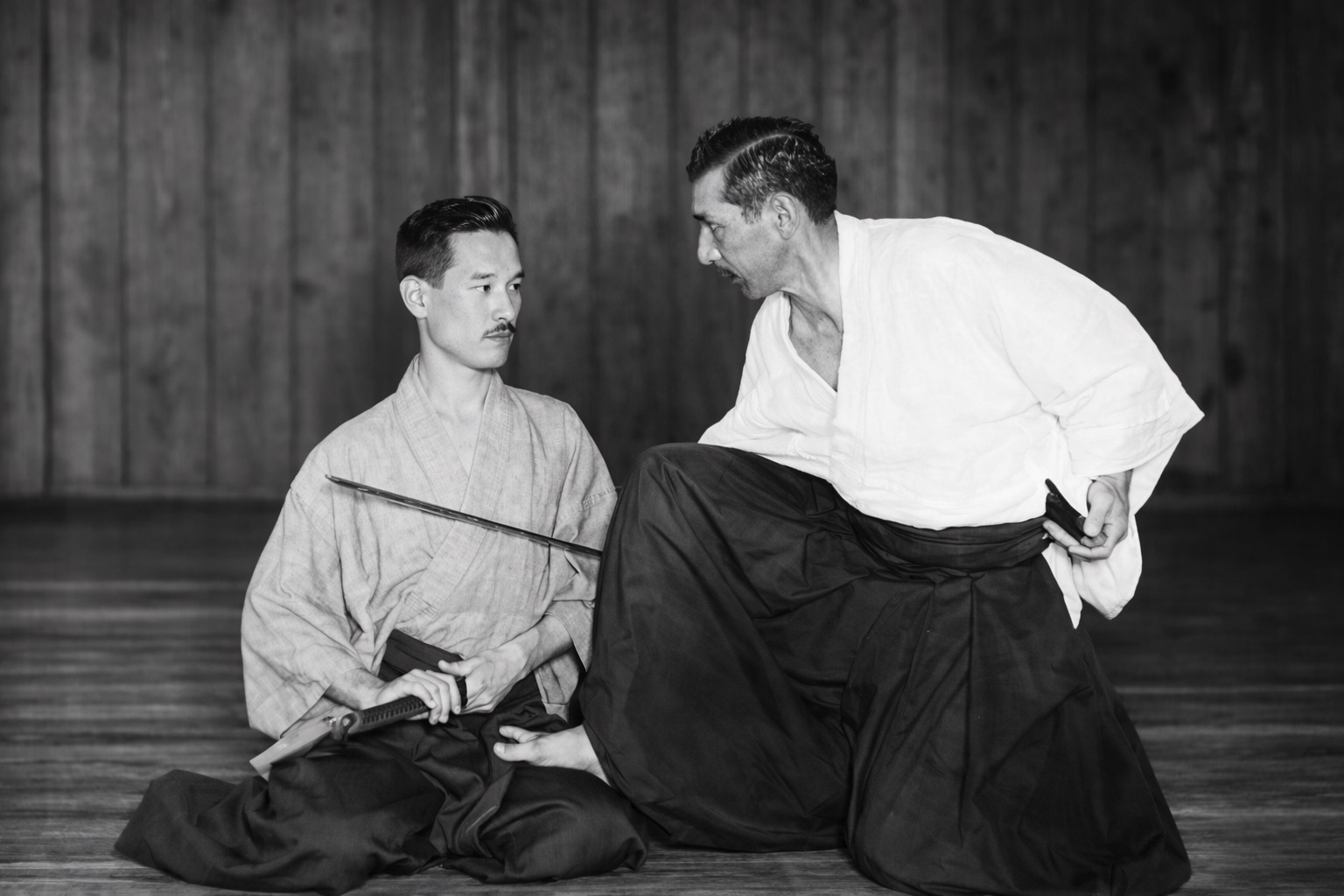
Toyo Hashimoto (left) and Nakayama Hakudō (right) performing a Musō Shinden-ryū kata demonstration.
Why Practice Iaido?
Whether you are a fan of Japanese history or looking for a way to improve your physical and mental discipline, Iaido offers unique benefits:
- Mental Clarity: Often called “moving Zen,” Iaido requires absolute presence of mind.
- Postural Excellence: Practice builds core strength, balance, and refined body mechanics.
- Cultural Connection: You handle the katana—the soul of the Samurai—and study the etiquette (Reiho) of ancient Japan.
Accessibility: Since it is a non-contact art, it can be practiced by people of all ages and fitness levels.
My Personal Journey in Muso-Shinden-Ryu
Up until now, the majority of my training has focused on Mugai-ryu. However, discovering Muso Shinden-ryu via the French Federation of Battodo has opened up a whole new world of swordsmanship for me. It’s been thrilling to dive into the full spectrum of the art—combining Kenjutsu and Iaido with the practical application of Battodo and Tameshigiri.
From what I have gathered through exchanges with various Sensei across Europe and Japan, Mugai-ryu carries a raw, historical connection to direct combat techniques. Meanwhile, Muso Shinden-ryu feels like a journey inward. It has become a key tool for my personal development, helping me grow both mentally and physically, which I believe is the true heart of the style.

my Instagram
Follow my adventures on Instagram!
From Japan to daily training updates, stay tuned for the latest..
