MUGAI-RYU
The Way of the Sword and the Void
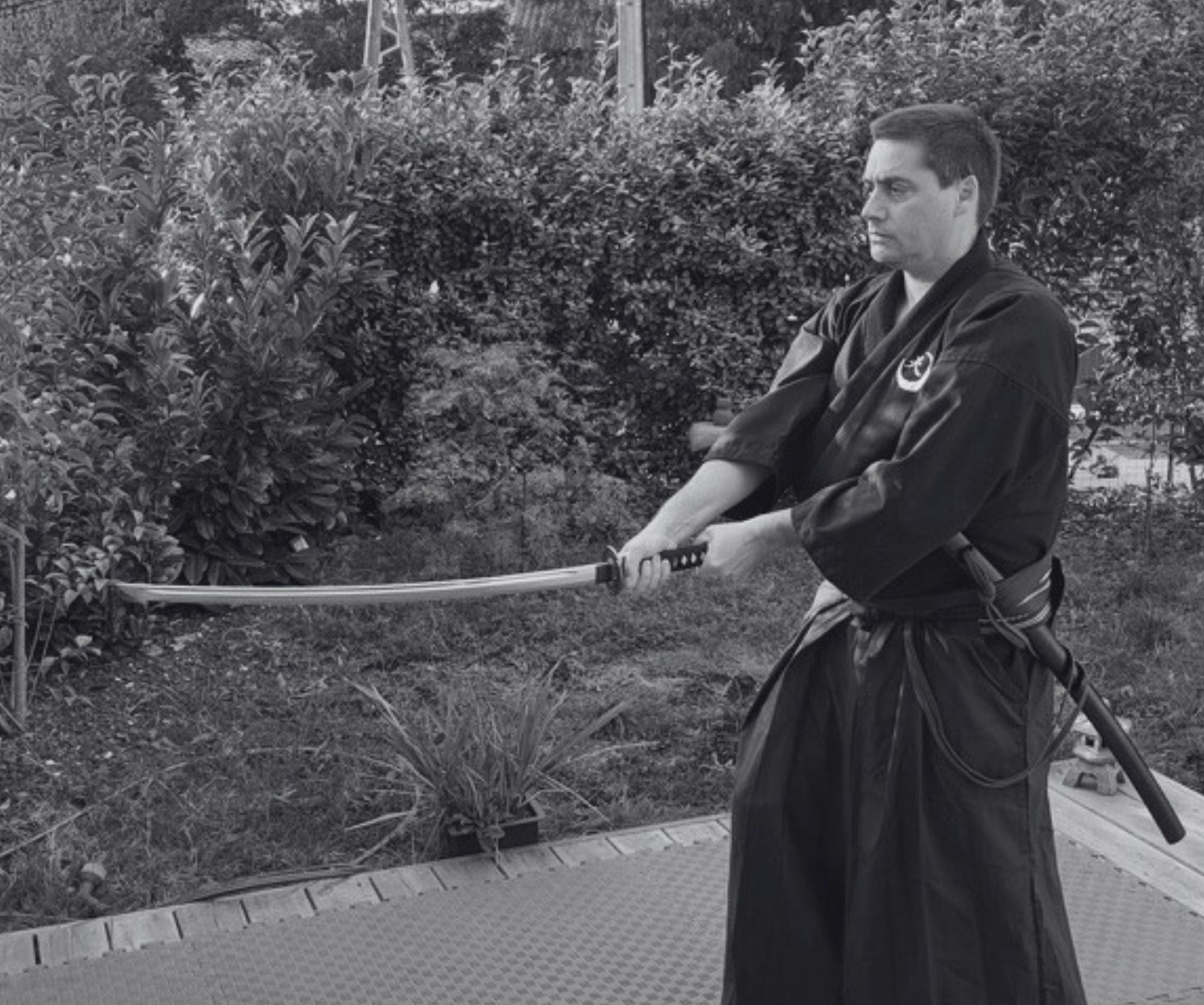
Mugai-ryu is a traditional school of swordsmanship (Koryu) whose reputation is built on formidable efficiency combined with profound spiritual asceticism. Unlike more demonstrative styles, Mugai-ryu prioritizes economy of motion and the power of the mind.
Origins: The Edo Period
The style was founded in 1693, during the early Edo period (1603-1868).
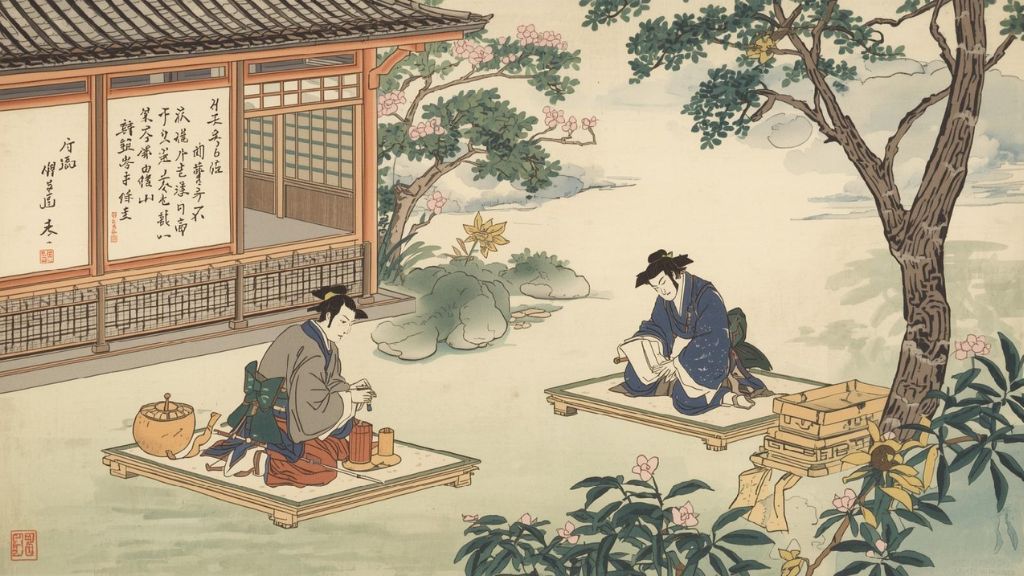
Also known as the Tokugawa period, Edo period represents a remarkable era of “Pax Tokugawa”—over 250 years of relative peace, stability, and seclusion under the rule of the Tokugawa shogunate. Following the chaotic civil wars of the Sengoku period, Tokugawa Ieyasu established a rigid social hierarchy based on Confucian principles, strictly dividing society into four classes: warriors (samurai), farmers, artisans, and merchants.
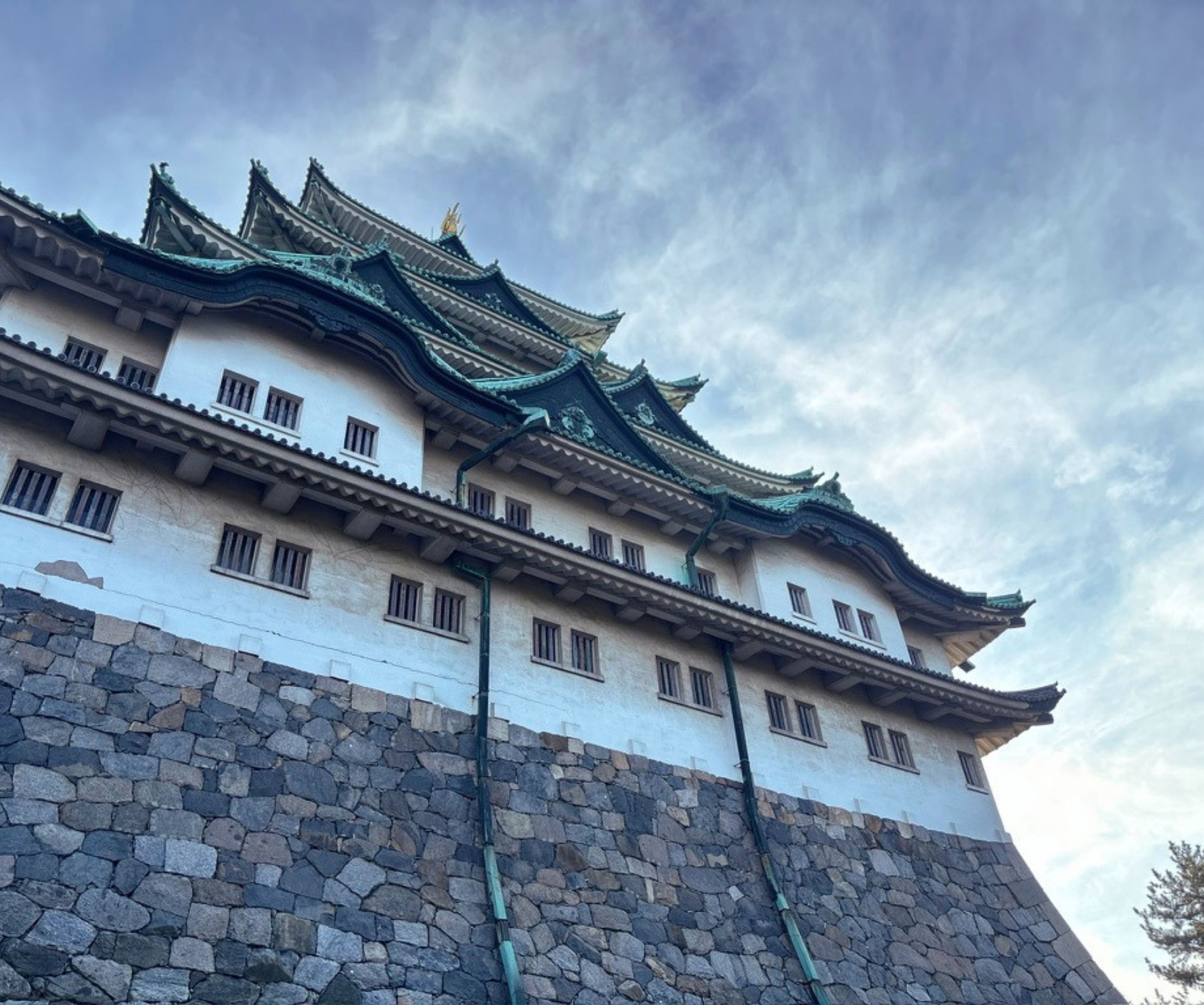
To maintain absolute control, the shogunate implemented the Sakoku policy, a period of national isolation that severely restricted foreign trade and prohibited most foreigners from entering the country. This isolation, far from causing stagnation, fostered a unique and vibrant domestic culture. Urban centers like Edo (modern-day Tokyo) swelled in population, giving rise to a prosperous merchant class and the “floating world” (Ukiyo) culture.
This era saw the flourishing of iconic Japanese art forms, including Ukiyo-e woodblock prints, Kabuki theater, and Haiku poetry. However, by the mid-19th century, internal economic pressures and the external arrival of Commodore Matthew Perry’s “Black Ships” forced the country to open its borders, ultimately leading to the Meiji Restoration and the end of the samurai era.
The Founder: Tsuji Gettan Sukemochi
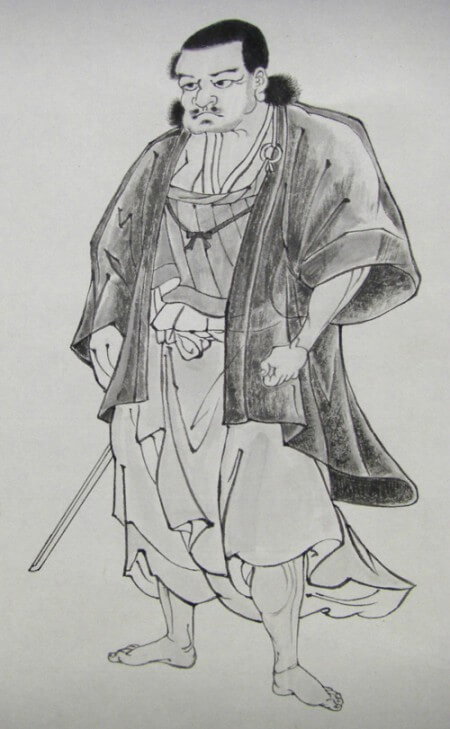
The founder of Mugai-ryū iaijutsu was Tsuji Gettan Sukemochi (辻月丹資茂, 1648–1728), a remarkable swordsman, strategist, and Zen practitioner who lived during Japan’s Edo period, a time when the martial arts were increasingly shaped by philosophical and ethical refinement rather than constant warfare.
Born into a samurai family in Ōmi Province, Tsuji Gettan initially studied various schools of kenjutsu before becoming a disciple of Yamaguchi Bokushinsai, the founder of Yamaguchi-ryū, from whom he inherited a strong foundation in sword technique and combative realism. However, what truly distinguished Gettan was his deep engagement with Zen Buddhism, particularly under the guidance of the Rinzai Zen master Sekitan Ryōzen, which profoundly influenced his understanding of the sword not merely as a weapon but as a means of self-cultivation and awakening.
The name Mugai-ryū itself reflects this synthesis, with “Mugai” meaning “no-self” or “nothing outside oneself,” a direct reference to the Zen concept of transcending ego and duality. Gettan emphasized natural posture, simplicity of movement, and directness, rejecting unnecessary ornamentation in favor of techniques that arose spontaneously from a calm and unclouded mind.
He taught that true victory was not found in defeating an opponent, but in overcoming one’s own delusions, fear, and attachment to form. Tsuji Gettan Sukemochi’s legacy endured through both martial transmission and written works, including treatises that explored the relationship between Zen, strategy, and the Way of the sword, ensuring that Mugai-ryū would be preserved as a discipline where technical precision and spiritual insight are inseparable, embodying the ideal of budō as a lifelong path of inner and outer harmony.
The Zen Connection
This is where Mugai-ryu truly distinguishes itself. Tsuji Gettan did not settle for learning how to fight; he studied Zen Buddhism under the master Sekitan Zenshi at the Kyukon-ji temple.
After years of intense meditation, he achieved enlightenment (Satori). His master then presented him with a Zen poem from which the name of the school is derived:
“Ippo jitsu mugai” > (There is nothing outside of the One Truth)
From that moment on, Gettan renamed his style Mugai-ryu. For him, the sword and Zen were inseparable: “Ken Zen Ichi Nyo” (The Sword and Zen are One).
- The Spirit of Mugai-ryu: The style rejects all superfluous movement. Every cut must be the expression of a calm mind, free from parasitic intention (the “Non-Self”).
- Today: Mugai-ryu is one of the rare styles of Battodo and Iaido that has survived through an unbroken lineage, preserving this high standard of technical and mental purity.
The Sword as a Mirror: My Personal Journey
For me, practicing Mugai-ryu is more than just studying ancestral techniques. It is a daily confrontation with oneself. Whenever I draw my sword, the noise of everyday life fades away, making room for the present moment.
In my practice, I seek that “One Truth” mentioned by Tsuji Gettan. Zen is not limited to seated meditation (Zazen); it is expressed through the precision of a cut in Battodo or the fluidity of a Iaido kata. Every movement is a lesson in humility: if the mind wanders, the technique loses its integrity.
Through this website, my goal is to demystify this spiritual dimension. Zen is not an abstraction; it is a sensation: the weight of the sword, the sound of the wind against the blade, and that inner silence that follows a successful cut.
I strive to document this dialogue between technical rigor and mental peace here. I do not seek perfection, but rather sincerity in every movement.
my Instagram
Follow my adventures on Instagram!
From Japan to daily training updates, stay tuned for the latest..